

Politics
2023: INEC Budgets N239bn For Poll Materials, Presidential Run-off

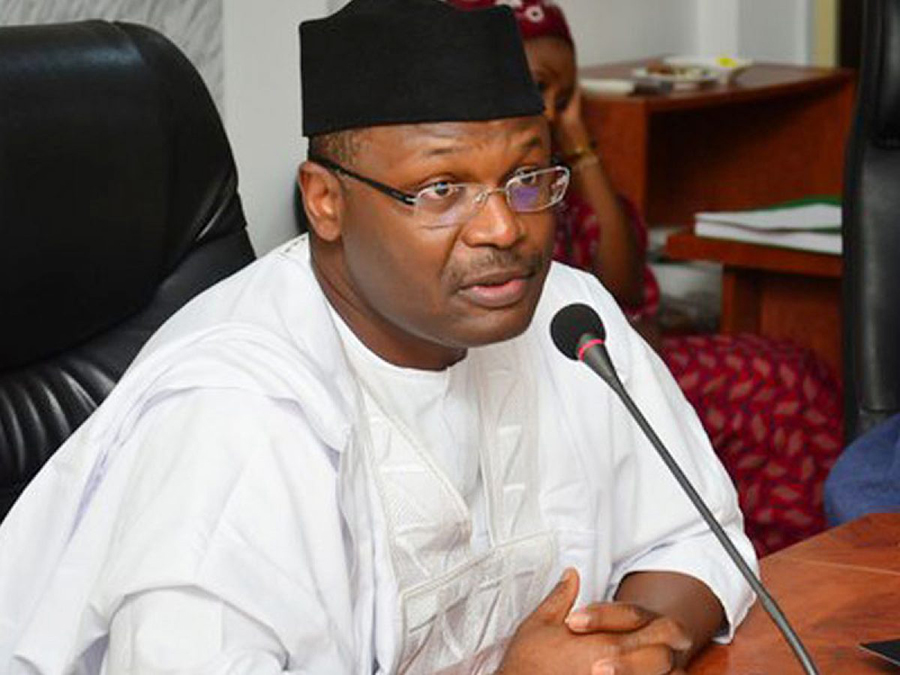


The Independent National Electoral Commission will spend not less than N239.2bn on procuring voting materials and vehicles that will be used in the 2023 general election.
This is according to the 2023 General Election Project Plan that was launched by INEC in Abuja on Thursday.
The commission stated that N239.2bn, which constitutes 78.44 per cent of its N305bn budget, would be spent on 10 critical items which included ballot papers, operational vehicles, ballot boxes, allowances of ad hoc workers, printing of result sheets, logistics and procurement of accreditation devices.
Also included in the N239.2bn budget is the N27.1bn set aside by the commission for possible run-off elections, including the one for the presidential poll.
Run-off elections are conducted in the event that there is no clear winner in a general poll.
A breakdown of the document, 2023 General Election Project Plan, shows that the highest single component will be the procurement of accreditation devices which will gulp N105.2bn. This also constitutes 34.51 per cent of the total election budget of N305bn.
READ ALSO: INEC Clears Air On Postponing 2023 Elections
The allowance for ad hoc workers, who will be more than one million people, is pegged at N23.7bn while N23bn was set aside for election logistics expenses which include the movement, deployment and retrieval of men and materials for the elections.
INEC will also spend N20.6bn on the printing of ballot papers and N12.7bn on the procurement of non-sensitive materials. The commission set aside N9.5bn for the printing of result sheets, N7.8bn for the procurement of ballot boxes and a separate N5.39bn for the same purpose. The electoral body will also spend N3.9bn for the procurement of operational vehicles.
In a diagram illustrating a comparative analysis of the 2019 and 2023 general election budgets, INEC noted that while N189bn was set aside for the previous elections, the 2023 general election would gulp N305bn.
It noted that while the country had 84 million registered voters in the last elections, it would have about 100 million voters next year. Also, while 119, 973 polling units existed last year, the next elections would have 176, 846 polling units. It noted that while the average cost per voter was $7.38 in 2019, it had dropped to $5.39 per voter.
Meanwhile, the commission on Thursday said that no amount of security challenges would stop the conduct of the 2023 general election.
The Chairman of INEC, Prof. Mahmood Yakubu, stated this during the public presentation of the 2022-2026 strategic plan and the 2023 Election Project Plan in Abuja.
Yakubu’s assurance came barely days after elder statesman, Chief Afe Babalola (SAN), called on the country to set up an interim national government next year instead of holding an election. He proposed that the interim government would birth a new constitution after which elections would take place.
Others had also expressed fears over the security situation in the North-West and the South-East which could scuttle the elections.
READ ALSO: INEC In Dilemma Over Prosecution Of 1.1million Multiple Registrants
However, the INEC chairman said no amount of security challenges would stop the conduct of the 2023 general election.
The commission also said that about one million electoral officials, both regular and ad hoc staff, would be deployed to 176,846 polling units in 8,809 Wards and 774 Local Government Areas in the country.
He said, “As you may be aware, the election will be conducted for 1,491 constituencies nationwide made up of one presidential constituency, 109 senatorial districts, 360 federal constituencies, 28 governorship elections and 993 state constituencies.
“The election will involve an estimated one million electoral officials (both permanent and temporary or ad hoc staff) deployed to 176,846 polling units in 8,809 Wards and 774 Local Government Areas across the country. The election will be governed by a new Electoral Act 2022, which contains many progressive provisions that will enhance the capacity of the commission to conduct elections and manage the electoral process better.
“We have carefully listened to the demand of Nigerians for seamless processes, particularly with regard to enhanced voter education, better distribution of voters to polling units, quality training of election personnel, the functionality of electronic devices, improved logistics, prompt commencement of polls, and availability of assistive devices for persons with disability at polling units and greater transparency in result management.”
Yakubu said the commission was aware of the security challenges and their impact on the electoral process, noting that it would continue to engage early and intensely with the security agencies to ensure the safety of our personnel and materials, accredited observers and the media and, above all, the voters.
“Clearly, these are challenging times but we are determined that elections must hold in 2023. However, this is a shared responsibility. INEC plays a critical role but the commission alone cannot deliver the elections we all desire. I, therefore, appeal to all Nigerians to join hands with us in ensuring that we make a success of the process”, he said.
He added that the activities in the timetable and schedule of activities for the 2023 general election are firm and fixed, adding that all stakeholders are advised to take this into consideration in planning their activities.
READ ALSO: Ronaldo Still Running At 37 – Pastor Ibiyeomie Identifies Problem Of Nigerian Footballers
The Country Director of the International Foundation for Electoral Systems, Seray Jah, who was represented by IFES Deputy Director, Obaje Ukeh, said the foundation was ready to continue its support to INEC for the success of the forthcoming elections.
Jah said the five-year plan and the election project plan act as a road map that will provide focus and guidance for INEC to succeed in achieving its mandate by ensuring seamless conduct of the 2023 general election.
Also speaking, the National Security Adviser and co-chairman of Inter-Agency Consultative Committees on Elections Security, Babagana Monguno, who was represented by Sanusi Galadima, assured Nigerians and development partners of the commitment of security agencies to protect lives and property at the polls.
The chairman of the Inter-Party Advisory Council, Yabagi Sani, pledged the support of IPAC to ensure smooth conduct of the 2023 general election and commended INEC for its efforts towards improving the country’s electoral process.
He said, “Today, we have witnessed yet another very significant development in the commendable efforts of INEC to fine-tune the operations of the electoral process in Nigeria for greater service delivery.
“It is also an occasion of manifestation of the unfolding trend of the application of science, technology and proactive prognosis, planning and solutions to challenges and situations even before they manifest.
He said the project plan was a reflection of efforts at critical assessment and reappraisal with a view to improving on strategies and conduct of transparent and acceptable elections in Nigeria.
INEC always prepares for run-off, first presidential ballot may not produce winner – REC
Explaining the commission’s preparations for run-off elections, the Niger State Resident Electoral Commissioner, Prof Sam Egwu, in an interview with one of our correspondents, said in every election, INEC always prepared for a run-off poll.
He said, “In every election, INEC prepares for a run-off and it will not be different for 2023. It’s because for presidential and governorship (elections), it’s possible to win majority votes without meeting geographical spread.
“It is possible not to produce a winner in the first ballot because, aside from your majority votes, you have to get 25 per cent in at least two-thirds of the local governments for governorship and two-thirds of the states for the presidential.
“So, potentially, in every election, you can have a run-off; so, there’s always a preparation in case there is a run-off. Before, the law said you had to do the run-off within seven days. But the amendment to the constitution in 2010 now makes it 21 days.”
Also, the INEC National Electoral Commissioner for information and Voter Education, Festus Okoye, in an interview with The PUNCH, explained, “The framers of the Nigerian Constitution envisage a President with a national mandate. Based on this supposition, a President must be elected by a majority of the Nigerian people and the President must also enjoy a sizable geographical spread.
“Premised on this, a candidate for an election to the office of the President shall be deemed to have been elected where there being more than two candidates for the election he has the highest number of votes cast at the election; and he has not less than one-quarter of the votes cast at the election in each of at least two-thirds of all the states in the Federation and the Federal Capital Territory, Abuja.
READ ALSO: Edo Guber: INEC Cautions Politicians On Use Of inflammatory Languages
“In default, there shall be a second election (which in popular parlance is called a run-off), which shall be conducted within twenty-one days of the result of the election. The conditions for the second election are adumbrated in Section 134 of the Constitution.
“The commission plans for the main election and the second election. The Commission cannot begin fresh planning for a second election when the announcement of results and reverse logistics for the main election will take almost two weeks. The commission has always prepared for the second election with the main election since the return to civil democratic rule. No national commissioner has the ability to predict the future or the outcome of any election. This commission will continue to plan and plan well and plan strategically.”


Politics
Peter Obi Meets US Consul General, Hopes For Credible Polls In 2027

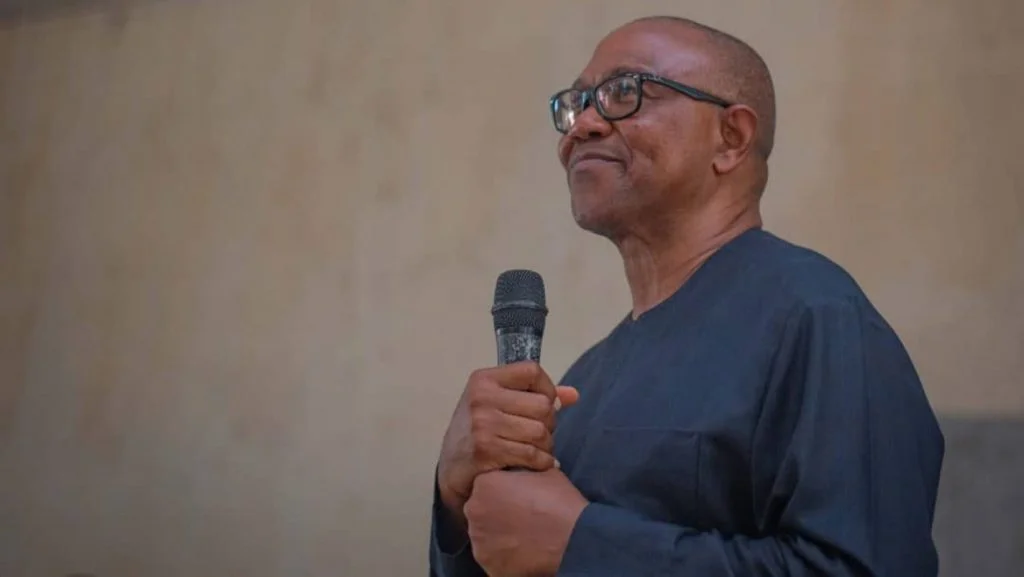
Chieftain of the Nigerian Democratic Congress, NDC, Peter Obi on Tuesday held a meeting with United States Consul General, Mr Rick Swart.
Obi made this known via his X handle.
READ ALSO:NDC Speaks On Peter Obi, Kwankwaso Joining Party
He said “This morning, in Lagos, I met with the U.S. Consul General, Mr Rick Swart, where we discussed strengthening the bilateral relationship. We focused on promoting credible elections in Nigeria, ensuring they are free from interference, and fostering a space where all political parties, especially opposition parties can thrive, and contribute.
“We also discussed trade and business opportunities between our countries. Accompanying me to the meeting was Dr Adefolaseye Adebomi Adebayo.
“The discussion was very productive, and we are hopeful that, moving forward, Nigeria’s elections will be even more credible and transparent.”
Politics
BREAKING: 17 ADC Reps Follow Join NDC

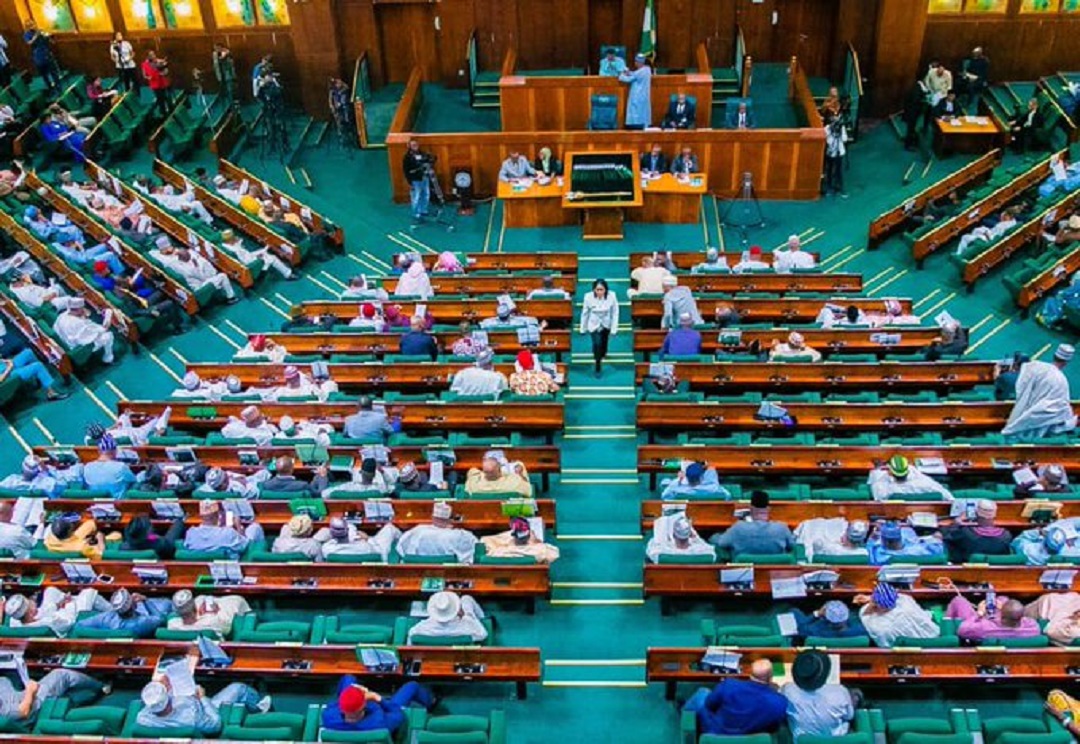
About 17 African Democratic Congress, ADC, lawmakers in the House of Representatives have defected to the Nigerian Democratic Congress, NDC.
This was disclosed by Speaker Abass Tajudeen on the floor of the House on Tuesday.
Tajudeen also announced the defection of Leke Abejide from the ADC to the All Progressives Congress, APC.
READ ALSO:JUST IN: Why I left ADC For NDC With Kwankwaso – Peter Obi Opens Up
Lawmakers who defected to the NDC include Yusuf Datti, Uchenna Okonkwo, Adamu Wakili, Thaddeus Attah, George Ozodinobi, Lilian Orogbu, Oluwaseyi Sowunmi, Peter Aniekwe, Mukhtar Zakari, George Oluwande and Munachim Umezuruike.
Others are Emeka Idu, Jesse Onuakalusi, Ifeanyi Uzokwe, Afam Ogene and Abdulhakeem Ado.
This comes barely a day after former presidential candidates Peter Obi and Rabiu Kwankwaso defected from the ADC to the NDC.
Obi and Kwankwaso have pledged to continue their pursuit for a better Nigeria in the NDC.
Politics
JUST IN: Why I left ADC For NDC With Kwankwaso – Peter Obi Opens Up

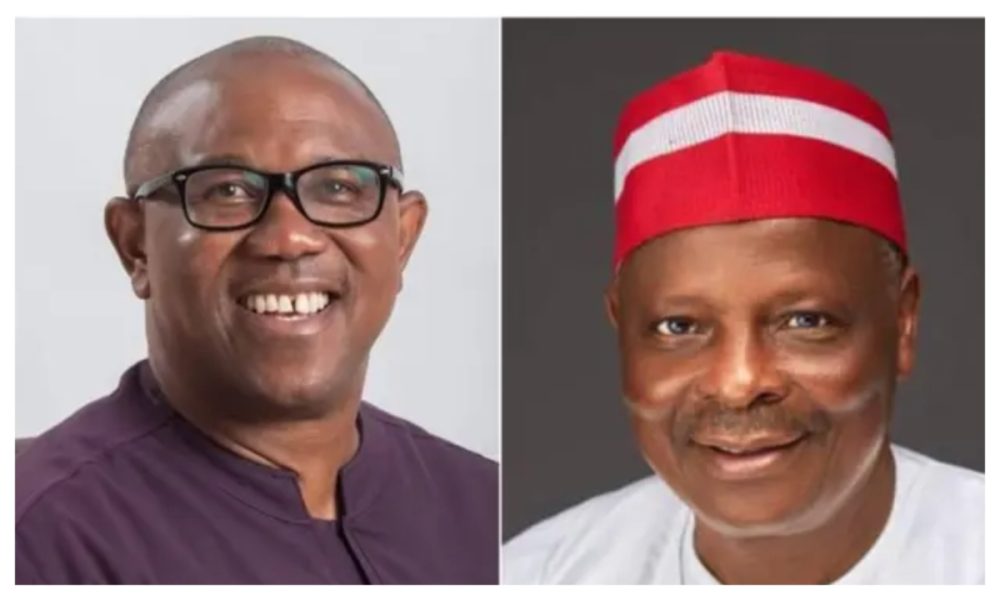
A former presidential candidate, Peter Obi, has given reasons why he resigned from the African Democratic Congress, ADC, to join the Nigerian Democratic Congress, NDC, alongside a former governor of Kano State, Rabiu Kwankwaso.
In a long post on X on Monday, Obi insisted it was not out of anger or ambition.
Rather, he said the move is a continuation of the quest to build a new Nigeria.
Obi wrote: “Yesterday, I formally joined the Nigerian Democratic Congress (NDC), alongside my dear brother, Engr. Dr Rabiu Musa Kwankwaso, with one clear purpose: to continue the struggle for a new Nigeria built on justice, competence, accountability, and compassion for the ordinary Nigerian.
READ ALSO:Peter Obi, Kwankwaso Formally Join NDC, Warn Members Against Litigation
“As I stated yesterday, this decision was not made out of anger, personal ambition, or convenience. It came after deep reflection on the present condition of our nation and the urgent need to rescue Nigeria from the dangerous path it is currently heading.
“Over the years, I have remained steadfast in my conviction that politics should never be about individuals, positions, or personal gain. It must be about the people, especially the millions of Nigerians who today can no longer afford necessities, whose businesses are collapsing, whose children are losing hope, and whose future is becoming increasingly uncertain.
“I left the ADC for the same reason I left the Labour Party: the severe, orchestrated litigation and internal crises deliberately designed to ensure that I, alongside many other notable individuals, do not effectively participate in the electoral process. I sincerely appreciate and remain deeply grateful to the Leadership of ADC for the opportunity to work together in pursuit of a better Nigeria. I am particularly grateful to ADC Chairman Senator David Mark for his exceptional Leadership. I also deeply appreciate my Leader and elder brother YE, Atiku Abubakar, as well as other respected leaders within the party.
“As we join the NDC, I sincerely appeal to the Nigerian Government against the encouragement of unresolved litigations and the infusion of crises within political parties. Democracy must never become a weapon against the people. A healthy democracy thrives on strong institutions, credible alternatives, and the freedom of citizens to make choices without intimidation, manipulation, or fear. Opposition parties must not be weakened or destroyed, because when democracy loses balance, the people ultimately suffer.
“Nigeria today is passing through one of the most difficult periods in its history. Poverty is rising. Hunger is widespread. Insecurity continues to threaten lives and livelihoods. Businesses are shutting down daily. Our young people are becoming discouraged, and many citizens have lost faith in the system. At a time like this, leadership must be driven not by propaganda or division, but by competence, capacity, character, and compassion.
READ ALSO:ADC Hails S’Court Verdict On Leadership, Demands INEC Chairman’s Resignation
“Our decision to join the NDC is therefore not an abandonment of values, but a continuation of the same mission we have always stood for: building a Nigeria where leadership is about service, where public resources are managed responsibly, where institutions function independently, and where every Nigerian, regardless of tribe, religion, region, or social status, can live with dignity, security, and hope.
“I remain committed to working with all Nigerians of goodwill across political, ethnic, and religious lines. The task before us is bigger than any individual or political party. It is about the future of our children and the survival of our dear nation.
“I thank Nigerians, especially our youths and women, for remaining peaceful, resilient, and hopeful despite the enormous challenges confronting the country. I urge you not to lose faith in Nigeria. Nations do not change because people surrender to hopelessness; they change because people continue to believe, continue to sacrifice, and continue to stand for what is right.”
-

 Politics4 days ago
2027: Tinubu’s Re-election May Put An End To Nigeria — Baba Ahmed Warns
-

 Metro5 days ago
I’m A Street Girl’ – Bimbo Ademoye Clashes With Area Boys [VIDEO]
-

 Politics4 days ago
Senatorial Seat: Ogbakha-Edo Warns Against Imposition Of Candidates In Edo South
-

 Politics4 days ago
BREAKING: 2027: Former Adamawa APC Guber Candidate, Aishatu Binani Defects To NDC
-

 Business3 days ago
JUST IN: Nigerian Filling Stations Reduce Fuel Price After Hike
-

 Entertainment4 days ago
Actress Eniola Badmus Gets New Federal Appointment
-

 News5 days ago
10 African Countries With Highest Petrol Prices In Prices In April 2026
-

 News1 day ago
BREAKING: Wike Picks Alabo George For Rivers Governorship
-

 News3 days ago
2027: Pastor Adeboye Speaks On Nigeria’s Next President
-

 Politics4 days ago
2027: Pondi, Otuaro, Other Delta South Stakeholders, Endorse Senator Joel-Onowakpo For Second Term


