
Headline
2023: Knocks, Controversies Over Continuous Detention Of Nnamdi Kanu
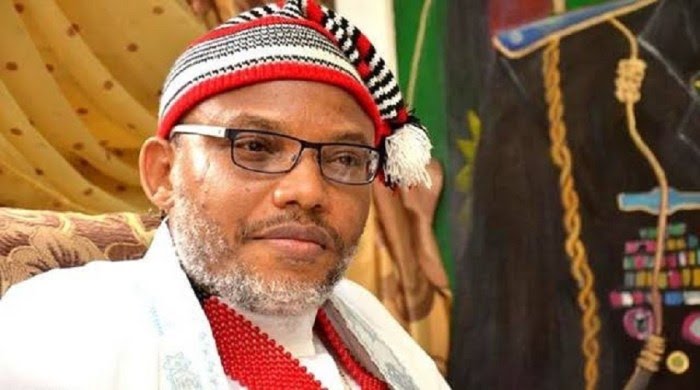
President Muhammadu Buhari has been slammed over the issues surrounding the leader of the Indigenous People of Biafra, IPOB, Mazi Nnamdi Kanu and his continued detention by the Federal Government.
Despite the ruling by the Court Appeal for the IPOB leader to be released, the Buhari administration stood its ground. It later approached the same court and got a stay of execution.
The Court of Appeal in Abuja had held that the Federal Government breached all local and international laws in the forceful rendition of Kanu to Nigeria, thereby making the terrorism charges against him incompetent and unlawful.
But the Attorney General of the Federation, AGF, Abubakar Malami had vowed that Kanu would not be released despite the court ruling, insisting that the Federal Government would pursue other charges against Kanu.
READ ALSO: BREAKING: Appeal Court Halts Execution Of Judgment Releasing Kanu, Quashing Terrorism Charges
This is despite the likes of Ohanaeze Ndigbo, elder statesmen such as former Governor of Anambra State, Chukwuemeka Ezeife, the late Mbazuruike Amaechi, Chief Edwin Clark among other prominent groups and individuals calling for adherent to the court ruling.
Also some rights groups such as the International Society for Civil Liberties and the Rule of Law (Intersociety) had knocked the Attorney General of the Federation and Justice Minister, Abubakar Malami, over the development.
The group said Malami’s activities were gravely pushing Nigeria into a regional and international abyss of mockery, which it said has far-reaching consequences on the country’s socio-economic development, regional and international human rights, rule of law and democracy ratings.
Comrade Emmanuel Onwubiko of the Human Rights Writers Association of Nigeria, HURIWA, told Buhari that the continued detention of Kanu, would be viewed as kidnapping and would spike other forms of violence in the South East.
HURIWA further accused Malami of acting the script of Miyetti Allah Cattle sellers, insisting that Buhari must stop playing what it described as the toxic Northern ethnic card and obey the court verdict that discharged the IPOB leader.
“Any further detention of Mazi Nnamdi Kanu would amount to active hostage taking and an outright criminal case of kidnapping which is actionable. We wonder why a lawyer of Malami’s illustrious status adorning the title of a Senior Advocate of Nigeria is now speaking like a one hundred-level law student of one road-side law faculty in a corner of Nigeria,” Onwubiko said.
He added that, “The Federal Government had rushed to the Appeal Court after the Federal Attorney General and minister of justice, Abubakar Malami had used media platforms to impugn and discredit the panellists who freed Kanu.”
Many other people still believe that Kanu’s release would restore peace in the South-East.
“In other democracies, when a court gives its ruling, the government or whoever it affects follows it up immediately. But that’s not the case in Nigeria. One thing the Buhari government is known for is its total disobedience to the rule of law. A court gave an order but instead of obeying the court ruling, they’re busy transferring the judges that gave the ruling and installed those that will do their bidding,” a security expert and senior lecturer in one of the Federal Universities told DAILY POST.
READ ALSO: Nnamdi Kanu In DSS Torture Chamber, Not Released, Family Alleges
“People living and doing businesses in the South East are forced to sit at home every Monday and I don’t how this is helping Malami and the Buhari government.
“But just as it has been said, it appears this government does not want peace in the South East. It’s looking like they want the region to be destroyed. If that’s not the case, tell me why Nnamdi Kanu has been detained despite the court order.
“I know the APC and some people in the Buhari government want to use the situation to their own advantage. The plan is to keep the South East in crisis with the continued detention of Nnamdi Kanu so that the people would be scared to come out to cast their votes or participate fuller in the election activities. They know that the South East is the stronghold of the Labour Party candidate, Mr. Peter Obi,” he added.
DAILY POST



Headline
U.S. Lawmaker Reacts To Nigeria, U.S. Airstrikes
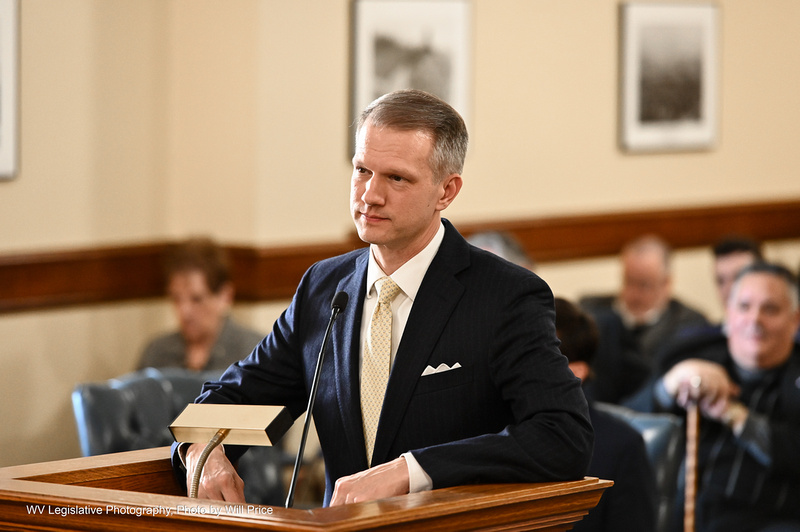
United States Congressman, Riley Moore, has stated that President Donald Trump is determined to put an end to the killing of Christians in Nigeria, warning that further action may follow if the violence persists.
Moore made the statement on Friday via his official X handle.
According to the lawmaker, the strike represents the first step in addressing what he described as the ongoing slaughter of Christians and the broader security crisis affecting Nigerians across religious and ethnic lines.
READ ALSO:US Dept Of War Shares Video Of Air Strikes In Nigeria
“President Trump has been clear that the killing of Christians in Nigeria must end,” he said.
He that the administration’s resolve on the matter should not be underestimated.
“As I stated at the outset: Do not test President Trump‘s resolved in this matter.
READ ALSO:JUST IN: US Forces Bomb Terrorists Camps In Nigeria
“Tonight’s strike in coordination with the Nigerian government is just the first step to ending the slaughter of Christians and the security crisis affecting all Nigerians,” he said.
He stressed that the operation signals a stronger stance by the United States in support of Nigeria’s efforts to tackle terrorism and violent extremism, noting that further measures could be taken if the situation does not improve.
Headline
US Dept Of War Shares Video Of Air Strikes In Nigeria

A video footage of the US military air strikes in Nigeria has emerged.
The video was released by the US Department of War following its air strikes against terrorists in Sokoto.
Earlier, the US secretary of War, Pete Hegseth had confirmed that military air strikes hit terrorists in Nigerians, saying it was deadly.
Later on, the US. African Command, confirmed that it conducted the attacks described as very deadly by President Donald Trump.
Trump said he was only keeping the promise he made earlier last month to strike the terrorists he believes are killing innocent Christians.
READ ALSO:JUST IN: US Forces Bomb Terrorists Camps In Nigeria
Although described as powerful and deadly, the casualty caused by the attack is yet to be released.
Explaining further, security expert, Brant Philip, said the strikes may have been launched “from the USS Paul Ignatius, using a Tomahawk missile.”
The Nigerian government through its ministry of foreign affairs has also confirmed that the strikes were successful.
Watch video here
Headline
JUST IN: US Forces Bomb Terrorists Camps In Nigeria
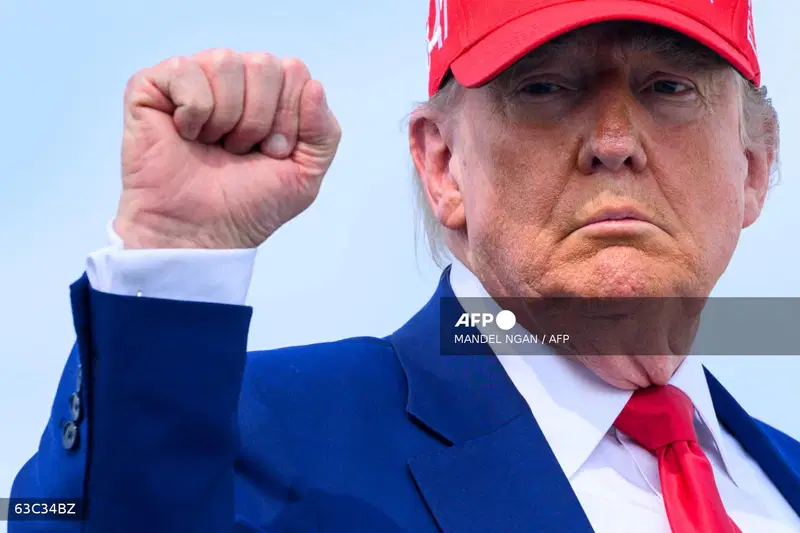
United States President Donald Trump said US forces conducted deadly strikes against Islamic State terrorists in northwestern Nigeria, and vowed more attacks if the militants keep killing Christians.
“I have previously warned these Terrorists that if they did not stop the slaughtering of Christians, there would be hell to pay, and tonight, there was,” Trump posted on his Truth Social platform, adding that “the Department of War executed numerous perfect strikes.”
READ ALSO:JUST IN: Kano Lawmaker, Sarki Aliyu Daneji, Dies Hours After Colleague’s Passing
Trump stated that the Department of War “executed numerous perfect strikes, as only the United States is capable of doing. Under my leadership, our Country will not allow Radical Islamic Terrorism to prosper.”
The US president wished everyone Merry Christmas, “including the dead Terrorists, of which there will be many more if their slaughter of Christians continues.”
Details later.

 News5 days ago
PHOTOS: New Era In Furupagha-Ebijaw As Okpururu 1 Receives Staff Of Office
- News4 days ago
UBTH CMD Marks 120 Days In Office, Expresses Commitment To Providing Conducive Working Environment
- News4 days ago
FIRS Confirms NIN As Tax ID
- News4 days ago
OPINION: Gumi And His Terrorists
- News5 days ago
FG Declares Public Holidays For Christmas, New Year Celebrations
- Metro4 days ago
Fintiri Pardons Man Sentenced To Death For ‘Killing Herdsman In Self-defence’, Others
- News4 days ago
OPINION: Christmas And A Motherless Child
- News3 days ago
JUST IN: Kano Lawmaker, Sarki Aliyu Daneji, Dies Hours After Colleague’s Passing
- News4 days ago
KWAM 1 Withdraws From Awujale Race, Ends Court Challenge
 News4 days ago
OPINION: My Man Of The Season


