
Headline
BBC Releases Its Findings On Tinubu’s Chicago Certificates
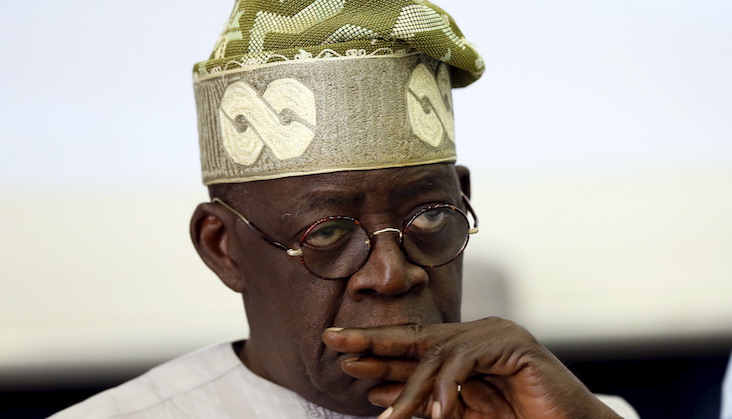
There is no evidence that the Chicago State University’s academic certificates of President Bola Tinubu submitted to the Independent National Electoral Commission for the 2023 presidential election were forged, the BBC’s Global Disinformation Team reports.
Recall the university released Tinubu’s academic records, which went viral on social media but were tagged as fake by some opposition party leaders and members, especially his main rivals, Labour Party’s Peter Obi and the Peoples Democratic Party’s Atiku Abubakar.
The quest to release Tinubu’s academic documents led to the case filed by Atiku at the US court, where he accused him of falsifying the CSU diploma of Bachelor of Science in Business Administration awarded in 1979 that he submitted to INEC.
READ ALSO: Tinubu’s Certificate Saga Has ‘Worsened’ Nigeria’s Reputation – Peter Obi
In the trial, the documents Atiku demanded included a copy of any diploma issued by the CSU in 1979; a copy of the diploma the CSU gave to Tinubu in 1979; copies of diplomas with the same font, seal, signatures, and wording awarded to other students that are similar to what CSU awarded to Tinubu in 1979; and documents from the CSU that were certified by Jamar Orr, who was then a staff member of university, in the 12 months from August 1, 2022.
But Tinubu’s lawyers insisted that the documents would not be relevant in Atiku’s appeal against Tinubu at the Supreme Court.
The magistrate, Jeffrey Gilbert, however ordered the CSU to provide all relevant and non-privileged documents to Atiku’s legal team within two days.
But, according to the BBC’s findings, the Social Security Number in the transcript from Chicago varsity matched what it had in other documents in which Tinubu’s gender was marked as male.
READ ALSO: Tinubu Is Obligated To Unveil His True Identity – Obi
The released documents raised questions about Tinubu’s birth date and his secondary school. One of the documents stated that Tinubu attended Government College Lagos in 1970. However, information available on the school website states that it was only founded in 1974.
The British medium also reported that aside from the gender discrepancy, the birth dates in some of the released documents differed from the official birth date of President Tinubu, which is March 29, 1952.
According to it, Tinubu’s transcript from the CSU has his date of birth as March 29, 1954, while his undergraduate admissions application form had his date of birth as March 29, 1955.
Meanwhile, the BBC report claimed that Atiku’s lawyer questioned the date of birth on the certificate during Westberg’s deposition on the forms submitted to INEC because Tinubu was said to have given his date of birth as March 29, 1952.
Westberg, during cross-examination, the report said, responded that the discrepancies could have been due to a human error.
PUNCH



Headline
U.S. Lawmaker Reacts To Nigeria, U.S. Airstrikes
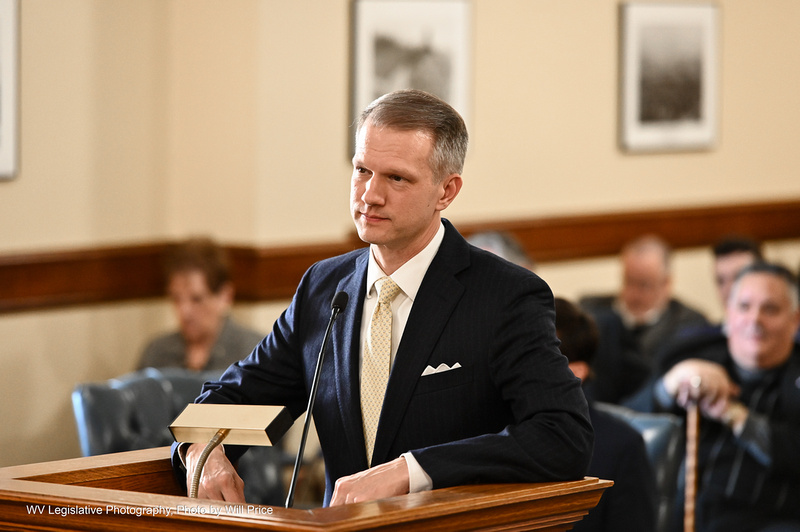
United States Congressman, Riley Moore, has stated that President Donald Trump is determined to put an end to the killing of Christians in Nigeria, warning that further action may follow if the violence persists.
Moore made the statement on Friday via his official X handle.
According to the lawmaker, the strike represents the first step in addressing what he described as the ongoing slaughter of Christians and the broader security crisis affecting Nigerians across religious and ethnic lines.
READ ALSO:US Dept Of War Shares Video Of Air Strikes In Nigeria
“President Trump has been clear that the killing of Christians in Nigeria must end,” he said.
He that the administration’s resolve on the matter should not be underestimated.
“As I stated at the outset: Do not test President Trump‘s resolved in this matter.
READ ALSO:JUST IN: US Forces Bomb Terrorists Camps In Nigeria
“Tonight’s strike in coordination with the Nigerian government is just the first step to ending the slaughter of Christians and the security crisis affecting all Nigerians,” he said.
He stressed that the operation signals a stronger stance by the United States in support of Nigeria’s efforts to tackle terrorism and violent extremism, noting that further measures could be taken if the situation does not improve.
Headline
US Dept Of War Shares Video Of Air Strikes In Nigeria
A video footage of the US military air strikes in Nigeria has emerged.
The video was released by the US Department of War following its air strikes against terrorists in Sokoto.
Earlier, the US secretary of War, Pete Hegseth had confirmed that military air strikes hit terrorists in Nigerians, saying it was deadly.
Later on, the US. African Command, confirmed that it conducted the attacks described as very deadly by President Donald Trump.
Trump said he was only keeping the promise he made earlier last month to strike the terrorists he believes are killing innocent Christians.
READ ALSO:JUST IN: US Forces Bomb Terrorists Camps In Nigeria
Although described as powerful and deadly, the casualty caused by the attack is yet to be released.
Explaining further, security expert, Brant Philip, said the strikes may have been launched “from the USS Paul Ignatius, using a Tomahawk missile.”
The Nigerian government through its ministry of foreign affairs has also confirmed that the strikes were successful.
Watch video here
Headline
JUST IN: US Forces Bomb Terrorists Camps In Nigeria
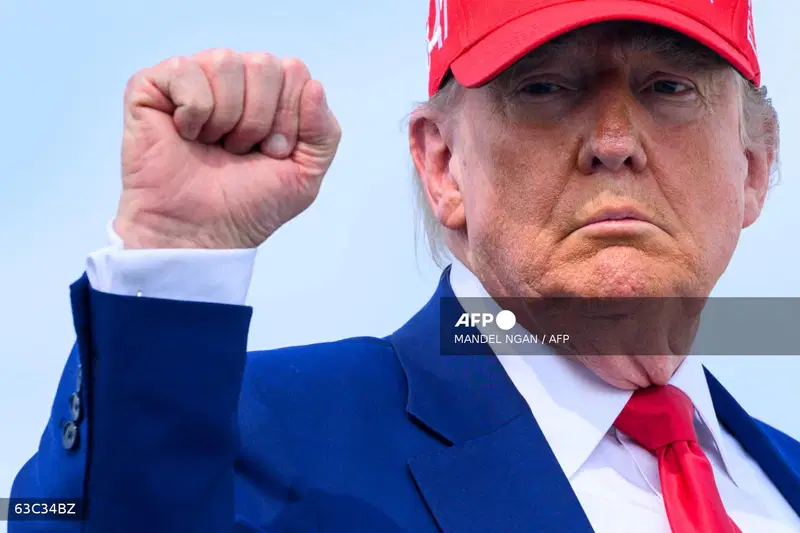
United States President Donald Trump said US forces conducted deadly strikes against Islamic State terrorists in northwestern Nigeria, and vowed more attacks if the militants keep killing Christians.
“I have previously warned these Terrorists that if they did not stop the slaughtering of Christians, there would be hell to pay, and tonight, there was,” Trump posted on his Truth Social platform, adding that “the Department of War executed numerous perfect strikes.”
READ ALSO:JUST IN: Kano Lawmaker, Sarki Aliyu Daneji, Dies Hours After Colleague’s Passing
Trump stated that the Department of War “executed numerous perfect strikes, as only the United States is capable of doing. Under my leadership, our Country will not allow Radical Islamic Terrorism to prosper.”
The US president wished everyone Merry Christmas, “including the dead Terrorists, of which there will be many more if their slaughter of Christians continues.”
Details later.

 News4 days ago
PHOTOS: New Era In Furupagha-Ebijaw As Okpururu 1 Receives Staff Of Office
- News3 days ago
UBTH CMD Marks 120 Days In Office, Expresses Commitment To Providing Conducive Working Environment
- News4 days ago
OPINION: Gumi And His Terrorists
- News3 days ago
FIRS Confirms NIN As Tax ID
- News4 days ago
FG Declares Public Holidays For Christmas, New Year Celebrations
- Metro3 days ago
Fintiri Pardons Man Sentenced To Death For ‘Killing Herdsman In Self-defence’, Others
- News4 days ago
OPINION: Christmas And A Motherless Child
 News3 days ago
OPINION: My Man Of The Season
- News2 days ago
JUST IN: Kano Lawmaker, Sarki Aliyu Daneji, Dies Hours After Colleague’s Passing
- News3 days ago
KWAM 1 Withdraws From Awujale Race, Ends Court Challenge


