
Business
Fuel Scarcity: FG Blows Hot, Threatens To Withdraw Marketers’ Licences Over Hoarding
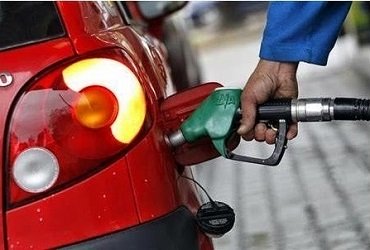
The Federal Government has threatened to withdraw licences of oil marketers found guilty of hoarding Premium Motor Spirit otherwise known as petrol, following the unabated scarcity in Abuja, Niger, Nasarawa, Kaduna, and many other states.
Some states, especially those in the North have witnessed continuous petrol scarcity for a while now, a situation that has since degenerated into many stations closing up shop due to a lack of supply.
However, the Federal Government through its Nigerian Midstream and Downstream Petroleum Regulatory Authority (NMDPRA) has issued a warning to oil marketers that filling stations that hoard petrol and sell to black marketers in jerrycans would have their licences withdrawn.
The warning was handed down by the Executive Director of Distribution Systems, Storage and Retailing Infrastructure, NMDPRA, Ogbugo Ukoha, in a video clip shared by the regulator during an inspection tour in Abuja.
Ukoha was heard telling one of the managers of the inspected stations that, “You need to take this (warning) very seriously. If you need security reinforcements, speak to your management.”
He said retail petrol stations should stop encouraging the sale of products to black marketers who dispense the products in jerrycans.
Ukoha said such actions posed serious safety concerns and should be discontinued.
Also on its X handle, the downstream regulator said it had declared war against the illegal sale of petroleum products.
READ ALSO: Marijuana Smokers Prone To Head, Neck Cancers — Study
“NMDPRA embarks on a war against the illegal sale of petroleum products, especially PMS in jerrycans. Filling stations are advised to desist from servicing illegal peddlers; failure to do so would result in the suspension of retail licences,” the agency stated.
On July 27, NNPCL spokesperson, Olufemi Soneye, said the fuel scarcity witnessed in Abuja and Lagos was due to a hitch in the discharge operations of a couple of vessels.
“The NNPC Ltd wishes to state that the tightness in fuel supply and distribution witnessed in some parts of Lagos and the FCT is a result of a hitch in the discharge operations of a couple of vessels,” Soneye had explained.
READ ALSO: Nigerian Owners Of Taste Africana, Three Children Face Deportation From UK Over Visa Fees
According to him, the company was working around the clock with all stakeholders to resolve the situation and restore normalcy in operations.
At some point, the NNPCL also said the fuel crisis was caused by bad weather.
“Adherence to these regulations is mandatory as any deviation could pose a severe danger to the trucks, filling stations, and human lives. Similarly, the development was compounded by consequential flooding of truck routes, which has constrained the movement of PMS from the coastal corridors to the Federal Capital, Abuja,” he added, saying loading had commenced at the time.
Despite the promises, petrol scarcity has persisted in many northern states.



Business
NNPCL Announces Restoration Of Escravos-Lagos Pipeline
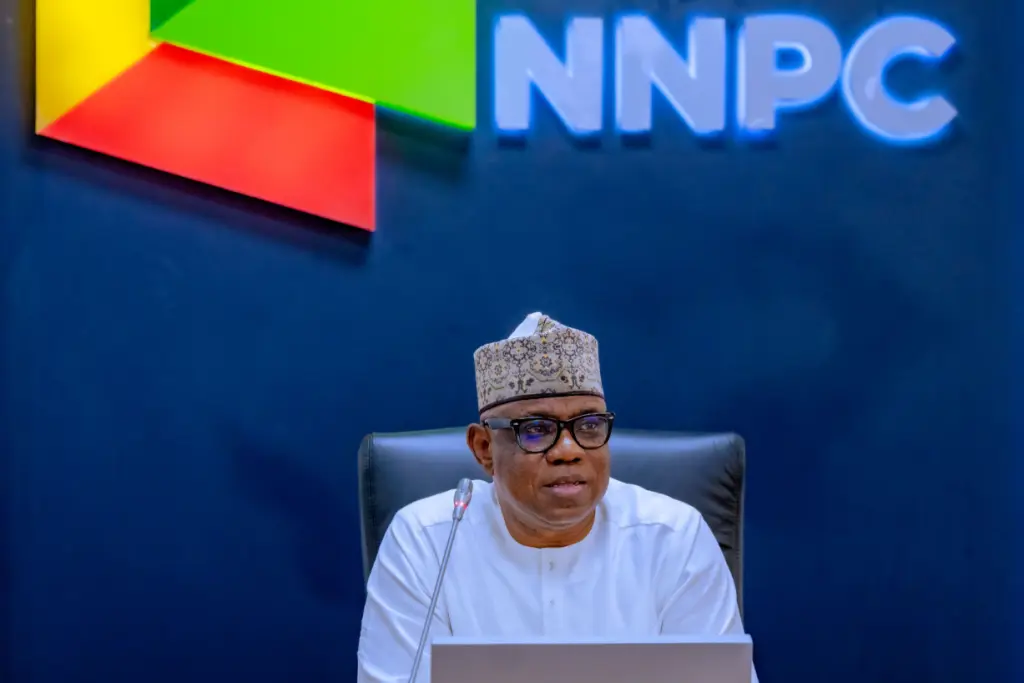
The Nigerian National Petroleum Company Limited (NNPCL) has announced the complete restoration of the Escravos-Lagos Pipeline System (ELPS) in Warri, Delta State, following the recent explosion on the asset.
The chief corporate communications officer (CCCO) of the nation’s oil company, Andy Odeh, in a statement, said that the pipeline is fully operational, reiterating the company’s resilience and commitment to energy security.
“NNPC Limited is pleased to announce the successful restoration of the Escravos-Lagos Pipeline System (ELPS) in Warri, Delta State.
READ ALSO:Fuel Price Cut: NNPCL GCEO Ojulari Reveals Biggest Beneficiaries
“Following the unexpected explosion on December 10, 2025, we immediately activated our emergency response, deployed coordinated containment measures, and worked tirelessly with multidisciplinary teams to ensure the damaged section was repaired, pressure-tested, and safely recommissioned.
“Today, the pipeline is fully operational, reaffirming our resilience and commitment to energy security. This achievement was made possible through the unwavering support of our host communities, the guidance of regulators, the vigilance of security agencies, and the dedication of our partners and staff.
“Together, we turned a challenging moment into a success story, restoring operations in record time while upholding the highest standards of safety and environmental stewardship.
“As we move forward, NNPC Limited remains steadfast in its pledge to protect our environment, safeguard our communities, and maintain the integrity and reliability of our assets. Thank you for your trust as we continue to power progress for Nigeria and beyond,” the statement read.
Business
Dangote Unveils 10-day Credit Facility For Petrol Station Owners
The Dangote Group has announced a 10-day credit facility backed by a bank guarantee for petrol station owners and dealers, alongside free direct delivery and other incentives, as part of a new supply arrangement.
The company disclosed this in a statement posted on its official X handle on Tuesday, inviting petrol station operators across the country to register to benefit from the offer.
According to the statement, participating dealers will enjoy “a 10-day credit facility backed by a bank guarantee,” with a minimum order requirement of 5,000 litres.
“Our free direct delivery service will commence soon,” the group said, adding that the offer is open to “all petrol station owners and dealers.”
READ ALSO:Dangote Sugar Announces South New CEO
The Dangote Group further called on operators to register their stations to access the supply arrangement.
“Register your petrol stations today to benefit from our competitive gantry price,” the statement read.
The company also disclosed that petrol supplied under the arrangement will be sold at a gantry price of ₦699 per litre.
For enquiries, the group provided the following contact numbers: 0802-347-0470, 0809-324-7070, 0809-324-7071 and 0203.
READ ALSO:Dangote Refinery Dispute: PENGASSAN Suspends Strike After FG Intervention
The announcement follows a recent petrol price adjustment by the Dangote Petroleum Refinery.
The PUNCH earlier reported that the refinery reduced its ex-depot petrol price from ₦828 to ₦699 per litre, representing a ₦129 cut or a 15.58 per cent reduction.
An official of the refinery, who spoke to PUNCH Online on condition of anonymity, confirmed the adjustment, saying, “The refinery has reduced petrol gantry price to ₦699 per litre.”
The new price reportedly took effect on December 11, 2025, marking the 20th petrol price adjustment announced by the refinery this year.
Business
JUST IN: Otedola Sells Shares In Geregu Power For N1trn

Billionaire businessman, Femi Otedola, has sold his majority stake in Geregu Power Plc for N1.088 trillion in a deal financed by a consortium of banks led by Zenith Bank Plc.
The Nigerian Exchange, NGX, made this announcement on Monday.
Otedola’s Amperion Power Distribution Company Ltd reportedly held nearly 80 percent of the power generating company.
READ ALSO:N200b Agric Credit Dispute: Appeal Court Slams NAIC, Upholds First Bank Victory
With this new development, Otedola, Chairman of First Holdco Ltd, parent company of First Bank of Nigeria Plc, will reportedly now concentrate on expanding his interest in the Nigerian banking sector, although he still retains some shares in Geregu.
Otedola is said to currently own 17.01 percent of First Bank — its single largest shareholder since the bank was established in 1894.

 Headline4 days ago
JUST IN: US Forces Bomb Terrorists Camps In Nigeria
- News5 days ago
Okpebholo Slams ₦25bn Libel Suit On Edo PDP Chairman
- Headline4 days ago
US Dept Of War Shares Video Of Air Strikes In Nigeria
- News4 days ago
PHOTOS: SGF George Akume Weds Ooni’s Ex-Queen
- News1 day ago
BREAKING: Anthony Joshua Involved In Road Accident
- News2 days ago
Ex-Edo Gov Obaseki Reacts As His Cousin Is Beaten, Stripped
- News4 days ago
Trump’s Airstrikes: Halt Military Cooperation With US Immediately – Sheikh Gumi Tells Tinubu Govt
- News4 days ago
Shehu Sani Reacts To Trump’s Military Strikes In Nigeria
- Headline4 days ago
U.S. Lawmaker Reacts To Nigeria, U.S. Airstrikes
- News5 days ago
Christmas: Otuaro Preaches Peace, Unity In N’Delta, Hails Tinubu’s Support For PAP


