
News
FULL LIST: 175 Beneficiaries Of Tinubu’s Pardons

President Bola Tinubu has granted presidential pardon and clemency to 175 persons, including late environmental activist Ken Saro-Wiwa, nationalist Herbert Macaulay, Major General Mamman Vatsa, and Maryam Sanda, who was sentenced to death for killing her husband.
According to a statement by the Special Adviser to the President on Information and Strategy, Bayo Onanuga, on Saturday, the decision followed recommendations by the Presidential Advisory Committee on the Prerogative of Mercy, chaired by the Attorney-General of the Federation and Minister of Justice, Lateef Fagbemi (SAN).
The list, released on Saturday, is divided into six parts: pardoned, posthumous pardon (including the Ogoni Nine), victims of the Ogoni Nine honoured, presidential clemency (clemency beneficiaries), list of inmates recommended for reduced term of imprisonment, and list of inmates on death row reduced to life imprisonment.
Below is the full list of beneficiaries as contained in the statement:
Pardoned
Nweke Francis Chibueze, aged 44, serving a life sentence at Kirikiri for cocaine
Dr Nwogu Peters, aged 67; serving a 17-year jail term for fraud. Sentenced in 2013
Mrs Anastasia Daniel Nwaoba, aged 63. Already served a sentence for fraud
Barr. Hussaini Alhaji Umar, aged 58. Sentenced in 2023 to pay a fine of N150M in the ICPC case
Ayinla Saadu Alanamu, age 63, was sentenced to seven years for bribery in 2019 and has served the sentence
Hon. Farouk M. Lawan, aged 62. Sentenced to five years in 2021 for Corrupt Practices and had served the sentence
Posthumous pardon
Sir Herbert Macaulay — banned from public office for misappropriation of funds and sentenced in 1913 by the British colonialists
Major-General Mamman Jiya Vatsa, age 46 — sentenced in 1986 for treason (alleged coup plot)
READ ALSO:Tinubu Grants Presidential Pardon To Herbert Macaulay, 174 Others
Posthumous pardon: The Ogoni nine
Ken Saro Wiwa — sentenced for murder
Saturday Dobee — sentenced for murder
Nordu Eawa — sentenced for murder
Daniel Gbooko — sentenced for murder
Paul Levera — sentenced for murder
Felix Nuate — sentenced for murder
Baribor Bera — sentenced for murder
Barinem Kiobel — sentenced for murder
John Kpuine — sentenced for murder
Victims of Ogoni Nine honoured
Chief Albert Badey
Chief Edward Kobaru
Chief Samuel Orage
Chief Theophilus Orage
Presidential clemency
Aluagwu Lawrence, aged 47, sentenced for Indian hemp (selling), 2015
Ben Friday, aged 60, was sentenced to 3 years or N1.3 million fine for marijuana in 2023
Oroke Micheal Chibueze, aged 21, sentenced to 5 years (cannabis sativa) in 2023
Kelvin Christopher Smith, aged 42, was sentenced to 4 years for importing cocaine in 2023
Azubuike Jeremiah Emeka, aged 31, sentenced in 2021 to 5 years or N3 million fine for importing cocaine
Akinrinnade Akinwande Adebiyi, aged 47, sentenced in 2023 to 3 years for dealing in Tramadol
Ahmed Adeyemo, aged 38, sentenced to 15 years for cannabis. Already served nine years, 5 months at Kirikiri
Adeniyi Jimoh, aged 31 years, sentenced to 15 years for Drugs in 2015 and served nine years at Kirikiri
Seun Omirinde, aged 39, sentenced to 15 years for Drugs in 2015. Served nine years at Kirikiri
Adesanya Olufemi Paul, aged 61, sentenced to 14 years for theft. Had served eight years
Ife Yusuf, aged 37, was sentenced for human trafficking in 2019. Had served six years at Kirikiri
Daniel Bodunwa, aged 43, was sentenced in 2018 to 10 years for fraudulent intent to forge a land receipt. Had served six years in jail
Fidelis Michael, aged 40, sentenced to 5 years for cannabis sativa
Suru Akande, aged 52, sentenced to 5 years for cannabis sativa
Safiyanu Umar, aged 56, sentenced to 5 years without the option of a fine for possessing 5 kg of cannabis sativa, 2023
Dahiru Abdullahi, aged 46, was sentenced in 2016 to 21 years for possession of 3 pistols and had spent 10 years in jail
Hamza Abubakar, aged 37, sentenced to 5 years for Indian hemp (selling), 2022
Rabiu Alhassan Dawaki, aged 52, sentenced in 2020 to 7 years for criminal breach of trust
Mujibu Muhammad, aged 30, sentenced in 2022 to 5 years, no option for a fine for cannabis
Emmanuel Eze, aged 49, sentenced in 2022 to 5 years for heroin
Bala Azika Yahaya, aged 70, sentenced in 2017 to 15 years for cannabis
Lina Kusum Wilson, aged 34, sentenced to death in 2017 for culpable homicide, had spent eight years in jail
Buhari Sani, aged 33, sentenced in 2022 to 5 years for possession of 558 grams of cannabis
Mohammed Musa, aged 27, was sentenced in 2022 to 5 years for possession of 16 grams of cannabis
Muharazu Abubakar, aged 37, sentenced in 2022 to 5 years for selling Indian hemp. Already spent 3 years in Katsina Prison
Ibrahim Yusuf, aged 34; jailed 5 years in 2022 for possession of 5.7 grams of Indian hemp
Saad Ahmed Madaki, aged 72; sentenced in 2020 for a 419 offence. Had served 4 years in Kaduna prison
Ex-Corporal Michael Bawa, aged 72: sentenced to life imprisonment for murder in 2005. Had spent 20 years in Kaduna prison
Richard Ayuba, aged 38. Sentenced to 5 years in 2022 for Indian hemp
Adam Abubakar, aged 30 and sentenced in 2022 to five years for possession of 2 kg of tramadol
Emmanuel Yusuf, aged 34; sentenced in 2022 to 4 years for possession of 2 kg of tramadol
Edwin Nnazor, aged 60; sentenced in 2018 to 15 years for cannabis. Had spent 6 years, nine months at Zamfara prison
Chinedu Stanley, aged 34. Sentenced in 2023 to three years for fake lubricant oil
Joseph Nwanoka, aged 42: sentenced in 2022 to five years for drugs
Johnny Ntheru, aged 63, sentenced in 1989 to life imprisonment for robbery. Had spent 36 years in Umuahia Prison
John Omotiye, aged 28, sentenced to six years for pipeline vandalism
Nsikat Edet Harry, aged 37, sentenced in 2023 to 5 years for illegal possession of Indian hemp, cocaine & heroin
Jonathan Asuquo, aged 28, sentenced in 2022 to 5 years for possession of Indian hemp & other drugs
Prince Samuel Peters, aged 54, sentenced in 2020 to 7 years for obtaining money by false pretence. Had spent 4 years, 3 months in Ikot Ekpene Prison
Babangida Saliu, aged 35, sentenced in 2024 to 3 years for unlawful mining
Adamu Sanni, aged 39, sentenced in 2024 to 3 years for unlawful mining
Abdulkarem Salisu, aged 30, sentenced to 3 years for unlawful mining
Abdulaziz Lawal, aged 18, sentenced to 3 years for unlawful mining
Abdulrahman Babangida, aged 20, sentenced to 3 years for unlawful mining
Maharazu Alidu, aged 22, sentenced to 3 years for unlawful mining
Zaharadeen Baliue, aged 38, sentenced to 3 years for unlawful mining
Babangida Usman, aged 30, sentenced to 3 years for unlawful mining
Zayyanu Abdullahi, aged 28, sentenced to 3 years for unlawful mining, 2024
Bashir Garuba, aged 20, sentenced in 2024 to 3 years for unlawful mining
Imam Suleman, aged 25, sentenced to 3 years for unlawful mining, 2024
Abbeh Amisu, aged 28, sentenced to 3 years for unlawful mining, 2024
Lawani Lurwanu, aged 20, sentenced to 3 years for unlawful mining, 2024
Yusuf Alhassan, aged 33, was sentenced to 3 years for unlawful mining in 2024
Abdulahi Isah, aged 25, sentenced to 3 years for unlawful mining, 2024
Zayanu Bello, aged 35, sentenced to 3 years for unlawful mining
Habeeb Suleman, aged 22, sentenced in 2024 to 3 years for unlawful mining
Jubrin Sahabi, aged 23, was sentenced to 3 years in 2024 for unlawful mining
Shefiu Umar, aged 28, was sentenced to 3 years in 2024 for unlawful mining
Seidu Abubakar, age 29, sentenced in 2024 to 3 years for unlawful mining
READ ALSO:Tinubu Approves National Honours For 959 Nigerians
Haruna Abubakar, aged 24, was sentenced to 3 years in 2024 for unlawful mining
Rabiu Seidu, aged 26, sentenced in 2024 to 3 years for unlawful mining
Macha Kuru, aged 25, sentenced in 2024 to 3 years for unlawful mining
Zahradeen Aminu, aged 25 years, sentenced to 3 years for unlawful mining
Nazipi Musa, aged 25. Sentenced to 3 years for unlawful mining in 2024
Abdullahi Musa, aged 30 and sentenced to 3 years in 2024 for unlawful mining
Habibu Safiu, aged 20 and sentenced to 3 years in 2024 for unlawful mining
Husseni Sani, aged 21 and sentenced to 3 years in 2024 for unlawful mining
Musa Lawali, aged 25 and sentenced to 3 years in 2024 for unlawful mining
Suleiman Lawal, aged 23 and sentenced to 3 years in 2024 for unlawful mining
Yusuf Iliyasu, aged 21 and sentenced to 3 years in 2024 for unlawful mining
Sebiyu Aliyu, aged 20 and sentenced to 3 years in 2024 for unlawful mining
Halliru Sani, aged 18 and sentenced to 3 years in 2024 for unlawful mining
Shittu Aliyu, aged 30 and sentenced to 3 years in 2024 for unlawful mining
Sanusi Aminu, aged 27 and sentenced to 3 years in 2024 for unlawful mining
Isiaka Adamu, aged 40 and sentenced to 3 years in 2024 for unlawful mining
Mamman Ibrahim, aged 50 and sentenced to 3 years in 2024 for unlawful mining
Shuaibu Abdullahi, aged 35 and sentenced to 3 years in 2024 for unlawful mining
Sanusi Adamu, aged 28 and sentenced to 3 years in 2024 for unlawful mining
Sadi Musa, aged 20 and sentenced to 3 years in 2024 for unlawful mining
Haruna Isah, aged 35 and sentenced to 3 years in 2024 for unlawful mining
Abiodun Elemero, aged 43. Sentenced to life imprisonment for cocaine hawking in 2014. Had spent 10 years plus in Kirikiri
Maryam Sanda, aged 37, was sentenced to death in 2020 for culpable homicide and had spent six years, eight months at Suleja Medium Security Custodial Centre
List of inmates recommended for reduced term of imprisonment
Yusuf Owolabi, aged 36. Sentenced to life in 2015 for manslaughter. Had spent 10 years at Kirikiri. Prison term reduced to 12 years
Ifeanyi Eze, aged 33. Sentenced to life in 2021 for manslaughter and had spent four years at Kirikiri. Prison term reduced to 12 years
Malam Ibrahim Sulaiman, aged 59. Sentenced to life in 2022 for armed robbery & possession of illegal firearms. Sentence cut to 10 years
Shettima Maaji Arfo, aged 54. Sentenced in 2021 to seven years for corrupt practices. Sentence reduced to four years, because of good conduct and ill-health
Ajasper Benzeger, aged 69 and sentenced in 2015 to 20 years for culpable homicide. Sentence reduced to 12 years, based on old age and ill-health
Ifenna Kennechukwu, aged 42. Sentenced in 2015 to 20 years for drugs (cocaine import) and had spent close to 10 years in Kirikiri. Prison term reduced to 12 years
Mgbeike Matthew, aged 45. Sentenced to 20 years in 2013 for the import of 3.10 kg. Following remorsefulness and the acquisition of vocational skills at Kirikiri. Sentence reduced to 12 years
Patrick Mensah, aged 40. Sentenced in 2015 to 17 years for drugs. Sentence reduced to 11 years
Obi Edwin Chukwu, aged 43 and sentenced in 2017 to 15 years for drugs. Sentence reduced to 10 years
Tunde Balogun, aged 32 and sentenced in 2015 to 15 years for drugs. Sentence reduced to 10 years
Lima Pereira Erick Diego, aged 27 and sentenced in 2017 to 15 years or a fine of N20 million for drugs. Sentence reduced to 10 years
Uchegbu Emeka Michael, aged 37. Sentenced in 2017 to 15 years or a fine of N20 million for drugs. Sentence reduced to 10 years
Salawu Adebayo Samsudeen, aged 46 and sentenced in 2016 to 15 years for drugs. Sentence reduced to 10 years
Napolo Osariemen, aged 61 and sentenced in 2022 to 15 years for 2 kilos of Indian hemp. The sentence was reduced to seven years
Patricia Echoe Igninovia, aged 61 and sentenced in 2023 to seven years for trafficking in persons. Sentence reduced to five years
Odeyemi Omolaram, aged 65 and sentenced in 2017 to 25 years in prison for drugs. Sentence reduced to 12 years based on the defendant’s remorsefulness and advanced age
Vera Daniel Ifork, aged 29 and sentenced in 2020 to 10 years for trafficking in persons. Sentence reduced to eight years
Gabriel Juliet Chidimma, aged 32 and sentenced in 2022 to six years for drug (cocaine). Sentence reduced to four years
Dias Santos Marcia Christiana, aged 44 and sentenced in 2017 to 15 years for import of cocaine. Sentence reduced to 10 years
Alh. Ibrahim Hameed, aged 71 and sentenced in 2023 to seven years for illegal property (obtaining property under false pretence). Sentence reduced to five years
Alh. Nasiru Ogara Adinoyi, 65, was sentenced in 2023 to 14 years for obtaining property by false pretence. Sentence reduced to seven years
READ ALSO:FULL LIST: Newly Released Subject Combinations For WAEC 2026 Examination WAEC
Chief Emeka Agbodike, aged 69, was sentenced in 2023 to seven years for obtaining property by false pretence. Sentence reduced to 3 years
Isaac Justina, aged 40. Sentenced in 2022 to 10 years for cannabis sativa and had spent 3 years in the Abeokuta Custodial Centre. Sentence reduced to four years
Aishat Kehinde, aged 38 and sentenced in 2022 to five years for unlawful possession of cannabis. The prison term being served in Abeokuta has been reduced to four years
Helen Solomon, age 68. Sentenced in 2024 to five years for cannabis sativa. Sentence reduced to three years
Okoye Tochukwu, aged 43 and sentenced in 2024 to six years for cannabis sativa. Sentence reduced to 3 years
Ugwueze Paul, aged 38 and sentenced in 2024 to six years for cannabis sativa. Sentence reduced to three years
Mutsapha Ahmed, aged 46 and sentenced in 2022 to seven years without a fine option for criminal breach of trust. The sentence was reduced to five years
Abubakar Mamman, aged 38 and sentenced in 2020 to 10 years in Kebbi Custodial Centre for possession of firearms. Sentence reduced to seven years
Muhammed Bello Musa, aged 35. Sentenced in 2020 to 10 years in Kebbi Custodial Centre for illegal possession of firearms. Sentence reduced to seven years
Nnamdi Anene, aged 67 and sentenced in 2010 to life imprisonment at Katsina Custodial Centre for illegal dealing of arms. Sentence reduced to 20 years
Alh. Abubakar Tanko, aged 61, was sentenced in 2018 to 30 years at the Gusau Custodial Centre for culpable homicide. Sentence reduced to 20 years
Chisom Francis Wisdom, aged 30; sentenced in 2018 to 20 years in Umuahia Custodial Centre for kidnapping. Sentence reduced to 12 years
Innocent Brown Idiong, aged 60, sentenced in 2020 to 10 years for possession of 700 grams of Indian hemp. Has already spent 4 years and 3 months at Ikot Abasi Custodial Centre. Jail term reduced to six years
Iniobong Imaeyen Ntukidem, aged 46, was sentenced 2021 to seven years in jail at the Uyo Custodial Centre. Prison term reduced to five years
Ada Audu, aged 72, was sentenced in 2022 to seven years in Kuje Custodial Centre and had spent 2 years and 7 months in prison. Prison term reduced to 4 years because of old age
Bukar Adamu, aged 40 and sentenced to 20 years in 2019 for advance fee fraud. Prison term reduced to nine years
Kelvin Oniarah Ezigbe, 44, was sentenced in October 2023 to 20 years for kidnapping, which took effect in 2013. The sentence was reduced to 13 years
Frank Azuekor, aged 42. Sentenced in 2023 for kidnapping and jailed in Kuje Custodial Centre for 20 years, and had spent 12 years behind bars from 2013. The sentence was reduced to 13 years
Chukwukelu Sunday Calisthus, aged 47 and sentenced in 2014 to life at Kuje Custodial Centre for drugs. He had spent 11 years at Kuje. Sentence reduced to 13 years
Professor Magaji Garba, aged 67. Sentenced in 2021 to seven years for obtaining money by false pretence and had spent 3 years at Kuje Custodial Centre. The prison term was reduced to four years due to good conduct and advanced age
Markus Yusuf, aged 41. Sentenced in 2023 to 13 years for culpable homicide. Sentence reduced to 5 years based on ill-health
Samson Ajayi, aged 31 and sentenced in 2022 to 15 years for drugs. He had spent five years at Suleja Custodial Centre. The sentence was reduced to seven years
Iyabo Binyoyo, aged 49. Sentenced in 2017 to 10 years for drugs and sentenced to nine years at Suleja Custodial Centre, due to good conduct
Oladele Felix, 49, was sentenced in 2022 to five years without a fine option for conspiracy and exploitation. Based on good conduct and remorsefulness, the sentence was reduced to four years. Felix is serving the term at Suleja
Rakiya Beida, aged 33 and sentenced in 2021 to seven years, without a fine option, for theft and cheating. The sentence, being served at Suleja, was reduced to three years based on good conduct
Nriagu Augustine Ifeanyi, aged 44 and sentenced in 2018 to 10 years in Ikoyi Custodial Centre, for exporting cocaine. The sentence was reduced to eight years
Chukwudi Destiny, aged 36 and sentenced in 2022 to six years in Ikoyi Custodial Centre for heroin import. The sentence was cut to four years
Felix Rotimi Esemokhai, aged 47 and sentenced in 2022 to five years for heroin. The sentence was reduced to four years
Major S.A. Akubo, aged 62, was sentenced in 2009 to life at Katsina Custodial Centre for illegally removing 7,000 assorted weapons. Following good conduct and remorsefulness, the sentence was commuted to 20 years
John Ibiam, aged 39, was sentenced in 2016 to 15 years for manslaughter and served 9 years and one month in the Afikpo Custodial Centre. The sentence was reduced to 10 years after the individual showed remorse and acquired vocational skills
Omoka Aja, aged 40 and sentenced in 2016 to 15 years for manslaughter, served 9 years and 1 month in Afikpo Custodial Centre. The sentence was commuted to 10 years
Chief Jonathan Alatoru, aged 66, was sentenced in 2021 to seven years for conspiracy to cheat. The sentence served in Port Harcourt Custodial Centre has been reduced to five years
Umanah Ekaette Umanah, aged 70 and sentenced in 2022 to 10 years in Port Harcourt Custodial Centre for forgery. Sentence reduced to five years due to old age and remorsefulness
Utom Obong Thomson Udoaka, 60, was sentenced in 2020 to seven years in Ikot Ekpene Custodial Centre for obtaining money by false pretence. He had served four years and two months at Ikot Ekpene. Due to his old age and good conduct, the initial sentence has been reduced to five years
Jude Saka Ebaragha, aged 44. Sentenced in 2020 to 12 years at Ikoyi Prison and a fine of N1 million for conspiracy to hijack a fishing vessel. The sentence was commuted to six years, and the N1m fine was waived
Frank Insort Abaka, 46, was sentenced in 2020 to 12 years and a N1M fine at Ikoyi Custodial Centre for conspiracy to hijack a fishing vessel. The sentence was reduced to six years, and the fine was waived
Shina Alolo, 42, was sentenced in 2020 to 12 years and a N1M fine at Ikoyi Custodial Centre for conspiracy to hijack a fishing vessel. Like others, the N1m fine was waived, and the sentence was reduced to 6 years
Joshua Iwiki, aged 50: Sentenced in 2020 to 12 years at Ikoyi Prison and a fine of N1M for conspiracy to hijack a fishing vessel. The N1m fine was waived, and the sentence was commuted to six years in prison
David Akinseye, aged 44: Sentenced in 2020 to 12 years & N1M fine for conspiracy to hijack a fishing vessel. His sentence was commuted to 6 years, and the fine was waived
Ahmed Toyin, aged 46: Sentenced in 2020 to 12 years & N1M fine for conspiracy to hijack a fishing vessel. Sentence also commuted and fine waived
Shobajo Saheed, age 57: Sentenced in 2020 to 12 years and a fine of N1M for conspiracy to hijack a fishing vessel. He got a similar reprieve like the others
Adamole Philip, aged 52 years: Sentenced to 12 years & a N1M fine for conspiracy to hijack a fishing vessel, 2020. Philip also got his term reduced to seven years and the fine waived
Mathew Masi, aged 39: Also sentenced to 12 years and a fine of N1 million for conspiracy to hijack a fishing vessel. The sentence was reduced to six years, and the fine was waived
Bright Agbedeyi, 46, was also sentenced in 2020 for conspiracy to hijack a fishing vessel. Like the others in his category, he got a reprieve
List of inmates on death row reduced to life imprisonment
Emmanuel Baba, aged 38: sentenced to death in 2017 for culpable homicide. On death row in Kuje Custodial Centre for the past 8 years. The sentence was commuted to life imprisonment based on good conduct and remorsefulness
Emmanuel Gladstone, aged 45, was sentenced in 2020 to death for murder and had spent five years at Katsina Custodial Centre. Death sentence commuted to life imprisonment due to good conduct and remorse
Moses Ayodele Olurunfemi, aged 51: sentenced to death in 2012 for culpable homicide and had spent 13 years on death row in Katsina. President Tinubu commuted the death sentence to life imprisonment
Abubakar Usman, aged 59: sentenced to death in 2014 and had spent 14 years on death row in Katsina. His sentence was commuted to life because of his remorse and good conduct
Khalifa Umar, aged 37: sentenced to death in 2014 and had spent 11 years on death row in Kano Custodial Centre. His sentence has been commuted to life imprisonment
Benjamin Ekeze, age 40: sentenced to death in 2017 for armed robbery and conspiracy, and had spent 12 years on death row at Kirikiri, Lagos. The sentence was also commuted to life
Mohammed Umar, aged 43: sentenced to death in 2018 for culpable homicide and had spent seven years on death row in Onitsha Custodial Centre. He got the Presidential reprieve, commuting the death sentence to life imprisonment
(PUNCH)



News
Eating Takeout Food Often May Increase Heart Disease Risk — Study
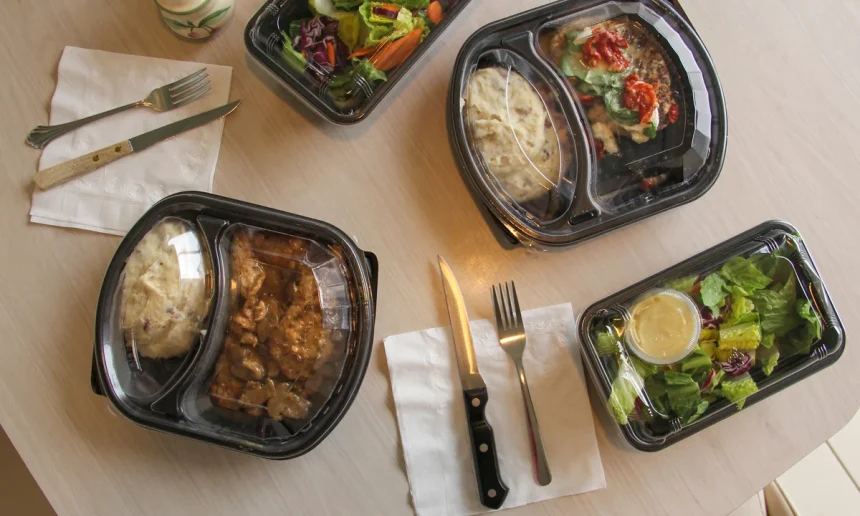
Research suggests that higher takeout food consumption may increase a person’s risk of cardiovascular disease, like heart disease.
In a new study, published in Food Science & Nutrition, researchers said eating takeout food too often can influence systemic inflammation that underlies much cardiovascular disease.
The study of over eight thousand people in the 2009 to 2018 U.S. National Health and Nutrition Examination Survey (NHANES) found that those who eat greater amounts of takeout food are likely to have various elevated risk factors for heart disease.
They were interviewed in their homes and also visited a mobile examination centre, where they recalled their food intake, received cardiometabolic health assessments, and had blood collected.
READ ALSO:23 Ships With Fuel, Food Items To Arrive Lagos Ports – NPA
Mammograms may predict heart disease risk in women — Study
The researchers found a correlation between the amount of takeout food a person consumes and their likelihood of developing chronic low-level inflammation, a key driver of cardiovascular pathology.
Deaths from cardiovascular disease and the consumption of takeout foods are both on the rise, and while that does not prove a causal relationship, the study explores whether there is a connection between the two.
The study tracked degrees of systemic inflammation according to the Dietary Inflammatory Index (DII), a scale that quantifies the risk of inflammation related to the intake of specific dietary substances.
READ ALSO:Food Security: 14,000 Smallholder Farmers To Benefit From N4bn Smart Agriculture Training In Bauchi
The three major takeaways from the analysis included that a higher level of takeout food consumption corresponded to an unfavourable cardiometabolic profile consisting of lower HDL, as well as higher triglycerides, fasting glucose, serum insulin, and insulin resistance.
Jayne Morgan, MD, cardiologist and Vice President of Medical Affairs in a reaction, who was not involved in the study, explained that “Takeout food raises the cardiovascular risk not because of one ingredient, but because of a predictable combination of nutrients, additives, and preparation methods that adversely affect blood pressure, lipids, insulin sensitivity, inflammation, and endothelial function.”
“This includes excess sodium that increases blood volume and blood vessel stiffness, and unhealthy fats, usually saturated fats or trans fats, that increase cholesterol level and atherosclerosis, a condition that can lead to heart attack and stroke.”
Michelle Routhenstein, Preventive Cardiology Dietitian at Entirely Nourished, also not involved in this study, declared, “It is also important to recognise that frequent takeout use often reflects broader lifestyle pressures such as demanding schedules, limited access to cooking resources, irregular meals, and disrupted sleep, all of which can quietly compound cardiovascular risk.”
News
How To Identify Fake Kiss Condoms In Circulation
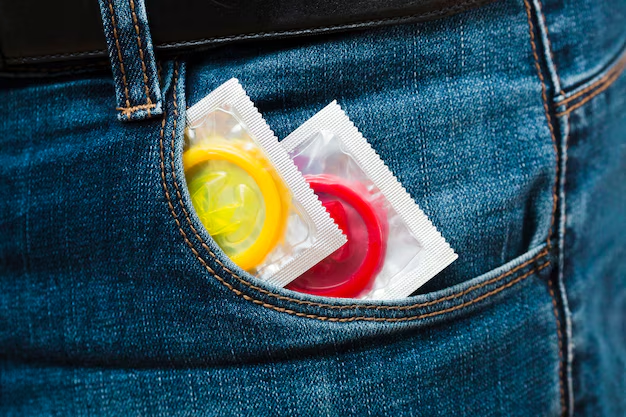
The National Agency for Food and Drug Administration and Control (NAFDAC) has recently warned Nigerians about the circulation of counterfeit Kiss brand condoms in major markets across the country.
Contents
Original DKT Kiss condoms
Fake Kiss condoms
In a public alert published on its website recently and referenced as Public Alert No. 042/2025, the agency said the warning followed information received from DKT International Nigeria, a non-governmental organisation involved in contraceptive social marketing and HIV/AIDS prevention.
NAFDAC stated, “The National Agency for Food and Drug Administration and Control is notifying the public about the sale and distribution of fake Kiss condoms in various Nigerian markets.
“The information was received from the MAH-DKT International Nigeria, a leading non-governmental organisation focused on contraceptive social marketing. Its mission is to provide Nigerians with affordable and safe options for family planning and HIV/AIDS prevention.
“The fake Kiss condoms have been reported to be found in Onitsha Market, Idumota Market, Trade Fair Market, and various markets in Kano, Abuja, Uyo, Gombe, Enugu, and others.”
READ ALSO:Married Man Denies Wife At Brazil Concert To Kiss Tems On Stage [VIDEO]
Kiss condom is a brand of male latex condoms designed to offer sexual protection, including the prevention of unwanted pregnancy and sexually transmitted infections such as HIV, gonorrhoea and syphilis.
To help consumers avoid counterfeit products, NAFDAC outlined key differences between original and fake Kiss condoms.
Original DKT Kiss condoms
The original product comes in a light red box pack with clear instructions printed on the lower part of the pack, including single-use warnings and storage and caution information. The box contains detailed medical device information, including MDSS GmbH, Germany, and a complete Nigerian address at Isolo Industrial Layout, Oshodi-Apapa Expressway.
The condom pack is light red, with the word “Kiss” closely written on six lines. The wallet outer pack is lighter red, carries the Oshodi-Apapa address, manufacturer details, and a clear product description beside the condom image. The hidden flap includes revision dates, medical device details, and caution information, while the wallet inner contains detailed instructions and eight bullet points under important notes.
READ ALSO:Lagos Names Mandy Kiss Anti-drug Abuse Ambassador
The original condom is large, oval-shaped, well-lubricated, and has a large teat end for semen collection.
Fake Kiss condoms
In contrast, fake Kiss condoms come in darker-coloured box packs with little or no additional information. Some boxes are plain white inside and lack condom images. The address is wrongly listed as 42, Montgomery Road, Yaba, Lagos, while the manufacturer’s address is incomplete or missing. Storage and caution information is absent.
The condom pack is darker, with “Kiss” loosely written on five lines and wide spacing. The condom strip is longer than the original. The wallet outer pack is also darker red, carries incorrect or missing addresses, lacks colour wave designs, and shows inconsistencies in barcode lines. Medical device and caution information are missing, and the hidden flap contains no details.
Inside the wallet, information is summarised with only six bullet points. The fake condom is thinner, round-shaped, less lubricated, and has a smaller teat end.
(TRIBUNE)
News
Lagos: Police Arrest 14 Suspected Traffic Robbers On Lekki-Epe Expressway

Fourteen persons suspected to be involved in traffic-related robbery have been arrested at various points along the Lekki-Epe Expressway in Lagos over the past two weeks.
The arrests were confirmed on Tuesday by the Lagos State Police Command spokesperson, SP Abimbola Adebisi, via a post on her official X handle, @AbimbolaShotayo.
According to her, operatives of the Command’s Tactical Squad based in Elemoro carried out the operations that led to the suspects’ apprehension.
READ ALSO:VIDEO: Chaos As Last-minute Shoppers Overwhelm Lagos Balogun Market
She explained that the arrests followed sustained patrols and intelligence-driven operations aimed at curbing criminal activities associated with traffic congestion and improving the safety of motorists and other road users along the busy corridor.
Adebisi noted that the development reflects the Command’s determination to strengthen security and uphold law and order on the Lekki-Epe axis, adding that the Tactical Squad has continued to proactively identify crime-prone areas and respond swiftly to threats posed by criminal elements.
She called on residents and commuters to support police efforts by providing timely and credible information that could assist in preventing and detecting crime.
READ ALSO:VIDEO: Chaos As Last-minute Shoppers Overwhelm Lagos Balogun Market
“Security is a shared responsibility. Members of the public are encouraged to stay alert and promptly report any suspicious movements or activities to the nearest police station,” she said.
The police spokesperson further reassured residents and road users of the Command’s commitment to maintaining aggressive patrols and security operations to protect lives and property in the area.
She reiterated the Command’s community policing message, “See Something, Say Something,” stressing the importance of cooperation between the police and the public in sustaining peace and security.

 News4 days ago
BREAKING: Anthony Joshua Involved In Road Accident
- News4 days ago
Ex-Edo Gov Obaseki Reacts As His Cousin Is Beaten, Stripped
- Politics3 days ago
You’re Not 001 – Wike Rubbishes Claims Of Fubara Being APC Leader In Rivers
- Metro5 days ago
Obaseki Beaten, Stripped In Edo
- Politics3 days ago
Wike Speaks On Defecting To APC
- Politics3 days ago
JUST IN: INEC Excludes PDP From Ekiti Governorship Election
- News3 days ago
NAF Neutralizes Bandits At Turba Hill, Kachalla Dogo Sule Camps
- Politics3 days ago
Go To Hell, You Didn’t Pay My School Fees – Wike Hits Seyi Makinde
- News3 days ago
Doris Ogala: How Pastor Chris Knelt Before Church, Begged For Forgiveness [Video]
- News3 days ago
Nigerian Army Finally Reveals Details Of US Military-led Airstrikes In Sokoto


