

Politics
FULL LIST: 20 States With Local Government Caretaker Committees


Most states have resorted to governing the local governments through caretaker committees set up by the State Government.
This is contrary to Section 7 of the 1999 Constitution (as amended), which guarantees the system of local government by democratically elected officials.
Caretaker committees have become a prevalent practice in different states across the federation, and are fast replacing local government councils.
Factors fingered for the inability of many States to conduct council polls include insecurity, paucity of funds as well as political and legal battles.
Thursday’s ruling by the Supreme Court declaring that it is unconstitutional for Governors to hold funds allocated for local government administrations further raised the question of how LG helmsmen are routinely sacked from office and replaced with Caretaker Committees.
These are the states running local governments with caretaker committees as complied by The Nation:
READ ALSO: BREAKING States Lose As Supreme Court Rules On LG Financial Autonomy
1. Rivers – Rivers Governor Siminalayi Fubara appointed caretaker committees for the 23 local government areas as he continues his battle with his predecessor, Nyesom Wike, for the control of the political structure in the oil-rich state.
2. Jigawa – On June 28, 2024, the government of Jigawa State dissolved the elected council chairmen of the 27 local governments.
3. Anambra – On June 20, 2024, Governor Charles Soludo, through the House of Assembly, confirmed the appointment of transition committee chairmen and councillors for the 21 local government areas.
4. Zamfara – In Zamfara, the last grassroots poll was held on April 27, 2019, and the State returned to appointees after the chairmen’s tenures expired. In May 2024, the Assembly approved a six-month extension for the caretaker committee.
5. In Benue, however, elections are scheduled to be held on July 6, 2024, for LG council chairmen.
6. Bauchi – Last year, Bauchi State Governor, Senator Bala Mohammed, sworn in 20 appointed local government area caretaker committee chairmen with their deputies.
READ ALSO: BREAKING: Supreme Court Bars Govs From Sacking LG Chairmen
7. Plateau – June 2023, Governor Caleb Mutfwang of Plateau inaugurated the Interim Transition Committee chairpersons for its 17 local government areas at Government House Jos.
8. Abia – In December 2023, Abia Governor Alex Otti, inaugurated the 17 local government transition council chairpersons.
9. Enugu – In March 2024, Enugu State Government ordered local government chairmen in the 17 councils to hand over administration to heads of personnel management after the expiration of their tenures.
10. Katsina
11. Kano – In March 2024, Gov. Abba Kabir Yusuf of Kano State recommended names of Interim Management Committee members for Local Government Areas of the state to its House of Assembly for screening and confirmation.
12. Sokoto
13. Yobe – In April 2024, Yobe State Governor, Mai Mala Buni, approved the dissolution of all the 17 local government councils of the state, and also directed all local government chairmen to handover the affairs of their respective local governments to Directors of Personnel Management.
READ ALSO: JUST IN: Supreme Court Bars FG From Paying Allocations To LGs With Unelected Officials
14. Ondo – Ondo State Government also constituted Caretaker Committees for the 18 Local Councils and 33 Local Council Development Areas, (LCDA).
15. Osun – In February 2024, Osun Assembly extended the tenure of office and re-appointed caretaker committees of 30 Local Government Areas and 39 others running Modakeke Area Office and Local Council Development Areas in the state.
The extension was subsequently secured for the caretaker chairmen, vice chairmen, scribes and their members’ fresh six months tenure, beginning in February and ending in August 2024.
16. Delta
17. Akwa-Ibom – Governor Umo Eno last year through a letter with reference number GHU/AKS/S/104/VOL.1/607, addressed to the Speaker, Hon. Udeme Otong, informed the House of Assembly that there was no provision in the 2023 budget for the conduct of local government elections.
He urged the Assembly to pass a resolution authorising him to set up interim administration at the 31 local government areas at the expiration of the tenure of the elected council officials.
19. In Imo State, the last council poll was conducted on August 25, 2018, which was the first in seven years.
20. In Kwara State, the last council election was in November 2017 with caretaker committees in charge since 2020.




Politics
Peter Obi Meets US Consul General, Hopes For Credible Polls In 2027

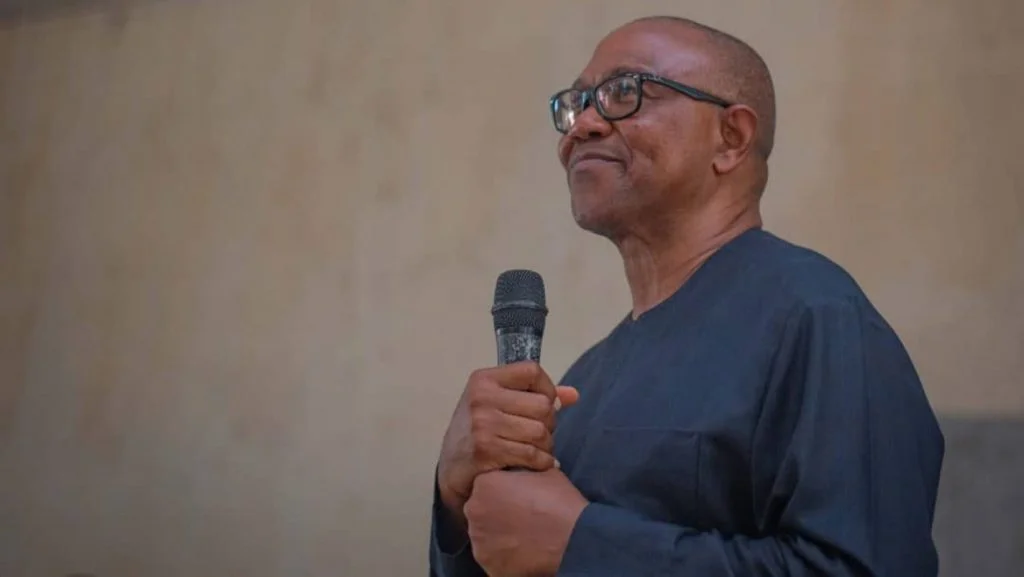
Chieftain of the Nigerian Democratic Congress, NDC, Peter Obi on Tuesday held a meeting with United States Consul General, Mr Rick Swart.
Obi made this known via his X handle.
READ ALSO:NDC Speaks On Peter Obi, Kwankwaso Joining Party
He said “This morning, in Lagos, I met with the U.S. Consul General, Mr Rick Swart, where we discussed strengthening the bilateral relationship. We focused on promoting credible elections in Nigeria, ensuring they are free from interference, and fostering a space where all political parties, especially opposition parties can thrive, and contribute.
“We also discussed trade and business opportunities between our countries. Accompanying me to the meeting was Dr Adefolaseye Adebomi Adebayo.
“The discussion was very productive, and we are hopeful that, moving forward, Nigeria’s elections will be even more credible and transparent.”
Politics
BREAKING: 17 ADC Reps Follow Join NDC

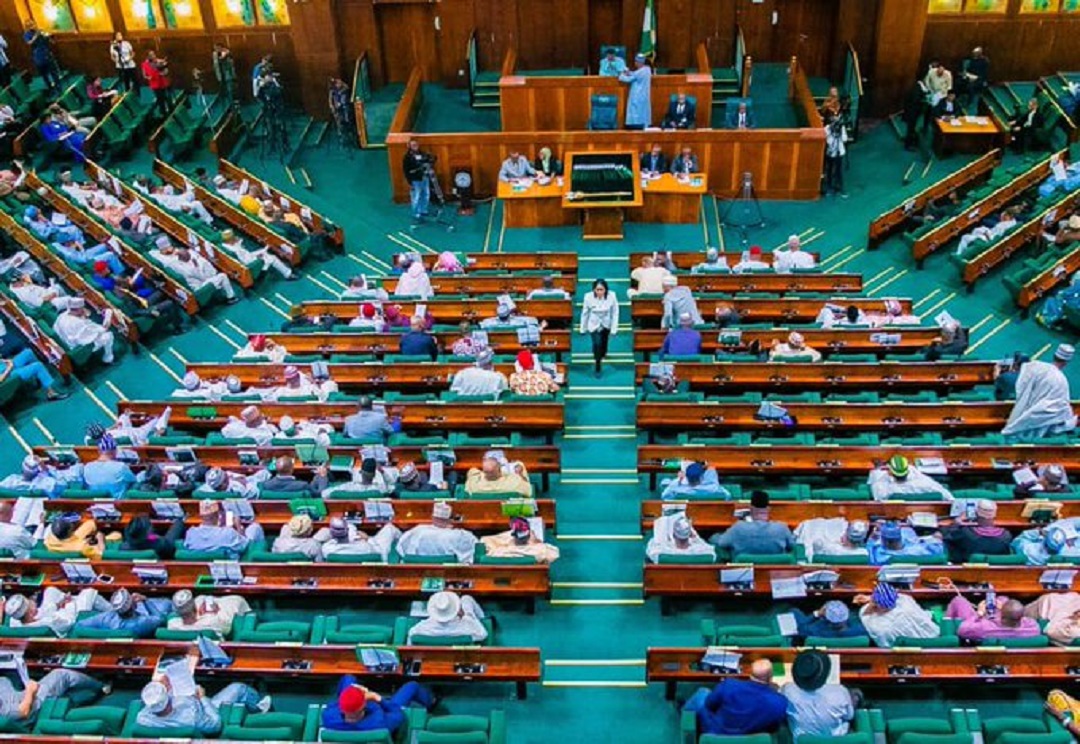
About 17 African Democratic Congress, ADC, lawmakers in the House of Representatives have defected to the Nigerian Democratic Congress, NDC.
This was disclosed by Speaker Abass Tajudeen on the floor of the House on Tuesday.
Tajudeen also announced the defection of Leke Abejide from the ADC to the All Progressives Congress, APC.
READ ALSO:JUST IN: Why I left ADC For NDC With Kwankwaso – Peter Obi Opens Up
Lawmakers who defected to the NDC include Yusuf Datti, Uchenna Okonkwo, Adamu Wakili, Thaddeus Attah, George Ozodinobi, Lilian Orogbu, Oluwaseyi Sowunmi, Peter Aniekwe, Mukhtar Zakari, George Oluwande and Munachim Umezuruike.
Others are Emeka Idu, Jesse Onuakalusi, Ifeanyi Uzokwe, Afam Ogene and Abdulhakeem Ado.
This comes barely a day after former presidential candidates Peter Obi and Rabiu Kwankwaso defected from the ADC to the NDC.
Obi and Kwankwaso have pledged to continue their pursuit for a better Nigeria in the NDC.
Politics
JUST IN: Why I left ADC For NDC With Kwankwaso – Peter Obi Opens Up

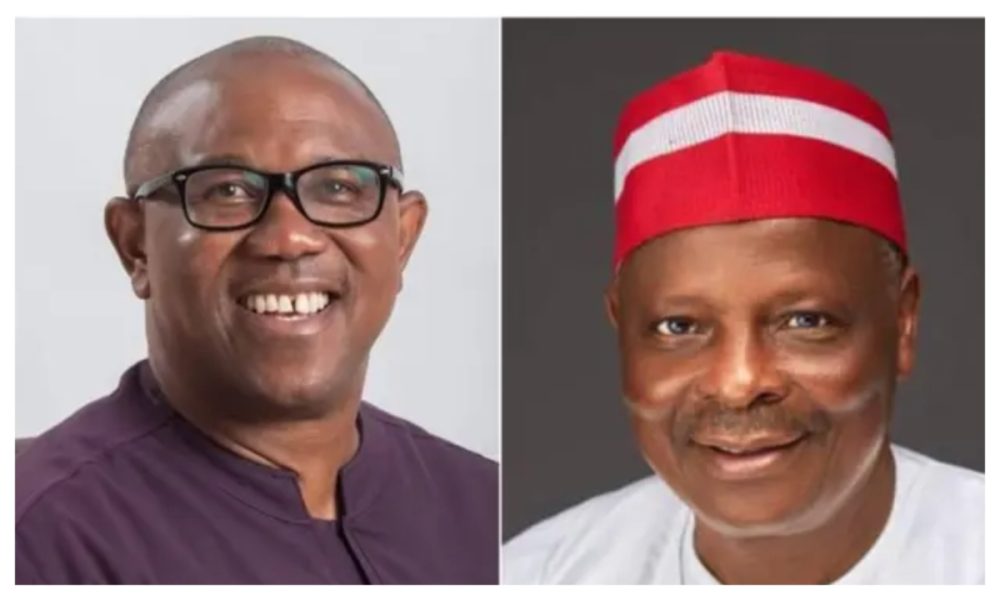
A former presidential candidate, Peter Obi, has given reasons why he resigned from the African Democratic Congress, ADC, to join the Nigerian Democratic Congress, NDC, alongside a former governor of Kano State, Rabiu Kwankwaso.
In a long post on X on Monday, Obi insisted it was not out of anger or ambition.
Rather, he said the move is a continuation of the quest to build a new Nigeria.
Obi wrote: “Yesterday, I formally joined the Nigerian Democratic Congress (NDC), alongside my dear brother, Engr. Dr Rabiu Musa Kwankwaso, with one clear purpose: to continue the struggle for a new Nigeria built on justice, competence, accountability, and compassion for the ordinary Nigerian.
READ ALSO:Peter Obi, Kwankwaso Formally Join NDC, Warn Members Against Litigation
“As I stated yesterday, this decision was not made out of anger, personal ambition, or convenience. It came after deep reflection on the present condition of our nation and the urgent need to rescue Nigeria from the dangerous path it is currently heading.
“Over the years, I have remained steadfast in my conviction that politics should never be about individuals, positions, or personal gain. It must be about the people, especially the millions of Nigerians who today can no longer afford necessities, whose businesses are collapsing, whose children are losing hope, and whose future is becoming increasingly uncertain.
“I left the ADC for the same reason I left the Labour Party: the severe, orchestrated litigation and internal crises deliberately designed to ensure that I, alongside many other notable individuals, do not effectively participate in the electoral process. I sincerely appreciate and remain deeply grateful to the Leadership of ADC for the opportunity to work together in pursuit of a better Nigeria. I am particularly grateful to ADC Chairman Senator David Mark for his exceptional Leadership. I also deeply appreciate my Leader and elder brother YE, Atiku Abubakar, as well as other respected leaders within the party.
“As we join the NDC, I sincerely appeal to the Nigerian Government against the encouragement of unresolved litigations and the infusion of crises within political parties. Democracy must never become a weapon against the people. A healthy democracy thrives on strong institutions, credible alternatives, and the freedom of citizens to make choices without intimidation, manipulation, or fear. Opposition parties must not be weakened or destroyed, because when democracy loses balance, the people ultimately suffer.
“Nigeria today is passing through one of the most difficult periods in its history. Poverty is rising. Hunger is widespread. Insecurity continues to threaten lives and livelihoods. Businesses are shutting down daily. Our young people are becoming discouraged, and many citizens have lost faith in the system. At a time like this, leadership must be driven not by propaganda or division, but by competence, capacity, character, and compassion.
READ ALSO:ADC Hails S’Court Verdict On Leadership, Demands INEC Chairman’s Resignation
“Our decision to join the NDC is therefore not an abandonment of values, but a continuation of the same mission we have always stood for: building a Nigeria where leadership is about service, where public resources are managed responsibly, where institutions function independently, and where every Nigerian, regardless of tribe, religion, region, or social status, can live with dignity, security, and hope.
“I remain committed to working with all Nigerians of goodwill across political, ethnic, and religious lines. The task before us is bigger than any individual or political party. It is about the future of our children and the survival of our dear nation.
“I thank Nigerians, especially our youths and women, for remaining peaceful, resilient, and hopeful despite the enormous challenges confronting the country. I urge you not to lose faith in Nigeria. Nations do not change because people surrender to hopelessness; they change because people continue to believe, continue to sacrifice, and continue to stand for what is right.”
-

 Politics4 days ago
2027: Tinubu’s Re-election May Put An End To Nigeria — Baba Ahmed Warns
-

 Metro5 days ago
I’m A Street Girl’ – Bimbo Ademoye Clashes With Area Boys [VIDEO]
-

 Politics4 days ago
Senatorial Seat: Ogbakha-Edo Warns Against Imposition Of Candidates In Edo South
-

 Politics4 days ago
BREAKING: 2027: Former Adamawa APC Guber Candidate, Aishatu Binani Defects To NDC
-

 Business3 days ago
JUST IN: Nigerian Filling Stations Reduce Fuel Price After Hike
-

 Entertainment4 days ago
Actress Eniola Badmus Gets New Federal Appointment
-

 News5 days ago
10 African Countries With Highest Petrol Prices In Prices In April 2026
-

 News1 day ago
BREAKING: Wike Picks Alabo George For Rivers Governorship
-

 News3 days ago
2027: Pastor Adeboye Speaks On Nigeria’s Next President
-

 Politics4 days ago
2027: Pondi, Otuaro, Other Delta South Stakeholders, Endorse Senator Joel-Onowakpo For Second Term
