
News
Inside £3,500 Per day Elite London Clinic Where Buhari Died
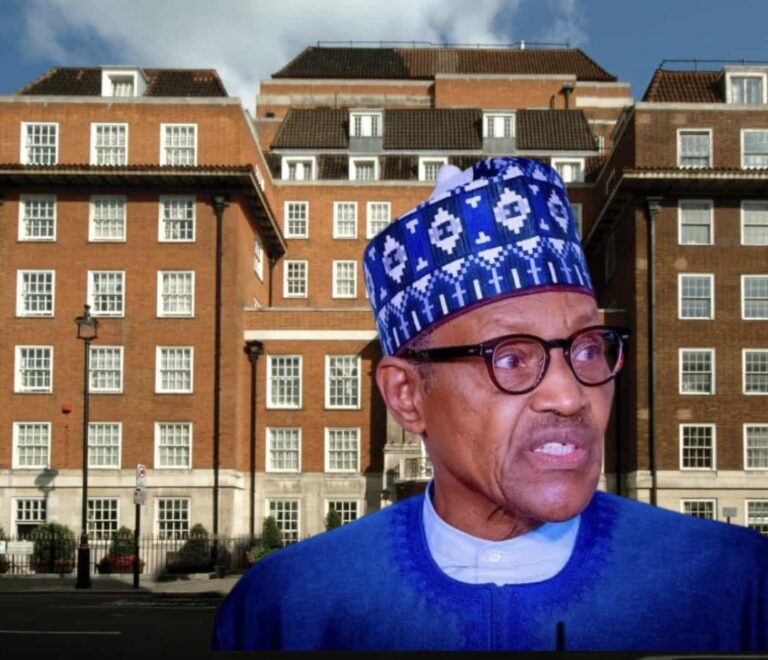
The London Clinic, one of the United Kingdom’s most exclusive private hospitals, has come under the spotlight following the death of Nigeria’s former President, Muhammadu Buhari, at the facility last Sunday.
Buhari and former Head of State, Gen. Abdulsalami Abubakar, were both admitted in the hospital. While Abubakar got well and was discharged, Buhari passed on Sunday, July 13, 2025.
According to his nephew, Mamman Daura, Buhari was in high spirits as of Saturday, July 12 and was getting ready for discharge before he suffered a relapse at midday on Sunday.
“I left him about 9 pm on Saturday in high spirits and promised to see him on Sunday afternoon. He was looking forward to his doctor’s visit on Sunday morning. But around midday, he started having breathing challenges and doctors rushed to his side to try and manage it. But unfortunately, around 4.30 pm, he gave up the ghost,” Daura said.
Buhari was reported to have travelled to the UK in April for a routine medical check-up, but subsequently fell ill.
The cause of death was not disclosed, but he had suffered from ill-health for many years.
According to family sources, Buhari, during his admission at The London Clinic, spent time at the Intensive Care Unit.
His death was announced by his former spokesperson, Mallam Garba Shehu, on Sunday afternoon.
Shehu said, “The family of the former president has announced the passing of the former President, Muhammadu Buhari, GCFR, this afternoon in a clinic in London. May Allah accept him in Aljannatul Firdaus.”
Shortly after news of his death broke, videos emerged online showing the former President’s children and other relatives visiting The London Clinic, situated in the heart of London’s medical district on Harley Street, where he was reportedly undergoing treatment before his passing.
While the exact duration of the former President’s stay at the hospital remains unknown, reports indicate that Buhari had been in London since April for a routine medical check-up.
The London Clinic
Founded in 1932, The London Clinic is one of the largest private hospitals in the UK, best known for its expertise in cancer care, digestive health, orthopaedics, and plastic and cosmetic surgeries.
From the information on its website, the facility boasts 13 intensive care beds, 10 operating theatres, five Macmillan Cancer Support Centres, approximately 900 surgeons and physicians and attends to over 120,000 patients across the world annually.
The hospital’s areas of speciality include: cancer care, haematology, orthopaedics with a focus on spinal surgery, as well as gastroenterology, general surgery, ophthalmology, ENT, neurosurgery, robotic surgery, minimally invasive surgery, and intensive care.
The London Clinic has treated thousands of patients from around the world, among them political leaders and members of the British royal family.
In the hospital’s 2021 annual financial report seen by The PUNCH, the Chairman of the Board of Trustees, Hamish Leslie Melville, said, “Our team of over 900 leading consultants, surgeons and physicians provide an extensive range of medical and surgical interventions. Our medical inpatient and outpatient treatments focus on three core areas: cancer therapies, general surgery with a focus on digestive diseases, and musculoskeletal conditions.”
Speaking with The PUNCH on condition of anonymity for personal reasons, a UK-based Nigerian doctor familiar with the hospital’s operations, described it as one with advanced facilities, a high-profile clientele, and world-class medical expertise.
According to him, patients pay between £100 and £750 for consultations, depending on the complexity of their case.
The Nigerian doctor, who said he knew two fellow Nigerian doctors who once worked at the hospital, said he is aware that a Computed Tomography scan (CT Scan) at the hospital costs around £500, while major surgeries range from £10,000 to £13,000.
“In terms of accommodation, the pricing structure is also tiered. A standard room goes for £1,000 to £1,800 per night. Luxury/VIP room is between £1,800 to £2,500 per night; while the Intensive Care Unit admission costs about £3,000 to £3,500 per night,” he said.
“The clinic is known for its advanced equipment, specialist services, and highly qualified professionals. It’s a facility designed for complex and high-risk cases,” he added.
READ ALSO:South-South Contributed Over 21% Nigeria’s GDP In 2024 – Banker’s institute
The doctor said the two respected Nigerian specialists who used to work at the hospital were an orthopaedic surgeon and a respiratory consultant.
Another UK-based Nigerian doctor told Saturday PUNCH that the hospital’s high standard of care comes at a premium.
According to the female doctor, the clinic caters mainly to the super-rich, adding that patients are charged thousands of pounds daily for specialised services, particularly in intensive care and private suites, where discretion, luxury, and top-tier medical attention are guaranteed.
“It is the best and largest private clinic in the United Kingdom. It deals with surgery, robotic surgery, ENT surgery, plastic surgery, and the best in specialised services,” she said.
She added that the hospital is equipped with advanced da Vinci Xi, ExcelsiusGPS, NAVIO robotic surgical technology, 3 T Siemens MRI, multiple CT scanners, PET-CT, ultrasound, digital mammography and other cutting-edge diagnostic systems.
In terms of staffing and expertise, the doctor said, “The clinic boasts an impressive roster of professionals with renowned specialist consultants, many of whom are Fellows of the Royal College of Surgeons and hold additional high-level certifications.”
However, according to a study by the National Institutes of Health seen by Saturday PUNCH, the cost of a bed space at the general ward is around £586.59 per bed day.
“These costs may not include other potential fees or charges associated with your specific treatment plan,” the report noted.
Speaking about its ICU, the clinic, on its website, said, “Our Standard Mortality Rate averages around 0.7 which the Critical care Peer Review states ‘would put the unit in the top 10% of the country’ and has consistently maintained low death rates all of which are reviewed at Mortality and Morbidity Meetings within the clinic.”
It added that, “Patient Experience feedback continues to demonstrate 95-100% satisfaction with their treatment across the MDT with numerous comments and compliments mentioning excellence in staff attitude, caring, compassionate, along with recognition of speciality surgical support and rehabilitation.”
Findings by ThePUNCH showed that The London Clinic has provisions for international patients whose treatment is sponsored by their governments, embassies, or companies.
While the Federal Government has not confirmed whether it covered the cost of Buhari’s treatment in London, the Remuneration of Former Presidents and Heads of State (and Other Ancillary Matters) Act requires the government to provide for the medical expenses of former presidents and their immediate families. This provision covers treatment both within Nigeria and, when necessary, abroad.
High-cost medical tourism
In 2021, President Buhari approved the construction and equipping of a 14-bed Presidential (VIP) Wing of the State House Clinic, in the Presidential Villa at the cost of N21bn.
READ ALSO:What Buhari Told Me During My Campaign — Peter Obi
As of March 2022, the government said it had disbursed N10.06bn for the construction of the N21bn of the clinic.
While briefing the Senate Committee on Federal Character and Intergovernmental Affairs, the Permanent Secretary, State House, Tijanni Umar, said the clinic was 80 per cent completed.
Umar added that the project would be delivered by the end of December 2022 or latest during the first quarter of 2023.
But despite this, Buhari’s successor, President Bola Tinubu, has continued to embark on foreign medical trips, mostly to France, gulping millions of naira in public funds.
Tinubu’s first known medical trip to France occurred shortly after his election in March 2023 when he was flown to the country for treatment following a period of strenuous campaigning.
However, findings by Saturday PUNCH revealed that he Federal Government may have spent at least N13.4bn on international medical trips and travels for former Presidents Muhammadu Buhari, Goodluck Jonathan, and Umaru Musa Yar’Adua over a 16-year period.
The bulk of the spending, drawn from annual State House allocations between 2007 and 2022, covered dozens of foreign hospital visits and diplomatic engagements across at least 40 countries.
Buhari, during his eight-year reign, spent at least 225 days outside the country on medical trips, visiting no fewer than 40 countries since 2015.
Eight months after assuming office, the former President embarked on his first medical trip to London, United Kingdom, on February 5, 2016, spending six days.
His second medical trip followed four months later, on June 6, 2016, during which he spent 10 days treating an undisclosed ear infection.
On January 19, 2017, Buhari embarked on his second longest medical trip to London, spending 50 days away.
In May of the same year, barely two months after his last trip, he returned to London for what became his longest medical stay, lasting 104 days.
He did not return to the UK for medical purposes again until May 2018, when he spent four days on a follow-up review.
In March 2021, Buhari once again departed for London on what the Presidency described as a “routine medical check-up,” which lasted 15 days.
His departure came amid a labour crisis in the health sector, during which members of the Nigerian Association of Resident Doctors commenced an indefinite strike over unpaid allowances.
Almost a year later, on March 6, 2022, the ex-President travelled to London again for medical reasons. This time, he spent 12 days.
On October 31, 2022, Buhari departed from Owerri, the Imo State capital, to London for another medical check-up that lasted about two weeks. He returned to the country on November 13, 2022.
Former presidential spokesman, Femi Adesina, consistently defended Buhari’s foreign medical trips, stating that he “has used the same medical team for about 40 years.”
In a recent interview following Buhari’s death, Adesina argued: “If he had said I’d do my medicals in Nigeria just for show off or something, he could have long been dead.”
In total, Buhari embarked on 84 trips to 40 countries during his time in office.
READ ALSO:Why UNIMAID Was Renamed After Buhari – Education Ministry
Between 2016 and 2022, the State House allocated a total of N6bn for his international travels, a good number of his foreign trips were for medical engagements.
However, Buhari was not the first Nigerian president to spend lengthy periods abroad for medical or diplomatic purposes.
The late President Umaru Musa Yar’Adua embarked on at least four foreign medical trips to Germany and Saudi Arabia, along with a major working visit to the United States.
Over his 32 months in office, he spent a total of 109 days overseas receiving treatment.
Between 2007 and 2009, the State House allocated N2.4bn to international travels under Yar’adua’s administration, part of which he spent on medical needs.
Goodluck Jonathan, who succeeded Yar’adua, also undertook numerous foreign trips between 2010 and 2015.
In 2012 alone, he spent at least 45 days outside Nigeria, travelling 18 times to various destinations across Europe, Asia, North America, and South America.
Over the five years, he spent in office, the Federal Government allocated a total of N4.9bn to fund his international travels and transport.
NMA, MDCAN, NARD kick
Meanwhile, the Nigerian Medical Association; the Medical and Dental Consultants’ Association of Nigeria, and the Nigerian Association of Resident Doctors have criticised political leaders for consistently seeking medical care abroad while neglecting the country’s healthcare system.
Speaking with Saturday PUNCH, the President of the Nigerian Association of Resident Doctors, Dr Tope Osundara, described the trend as not only disheartening but an indictment on Nigerian leaders’ investments in the sector they are expected to strengthen.
Osundara expressed disappointment that Nigerian leaders continue to patronise foreign hospitals despite annual budget allocations to domestic medical facilities like the State House Clinic.
“It’s more like building a company, investing resources in it, then refusing to use the product and telling others to trust it. It tells you that something is fundamentally wrong with the system, with the people entrusted with managing it.
“There was a time when the former president, Muhammad Buhari made some utterances that they should abolish this medical tourism. But unfortunately, before he died, he was even at the forefront of going abroad for treatment. Even a former Head of State, General Abdulsalami Abubakar, disclosed that he and Buhari were admitted to the same hospital in London shortly before Buhari passed away. This tells you that Nigeria’s healthcare system is in bad shape.”
The NARD President said it was ironical that Nigeria was advocating universal health coverage while the country’s leaders “are not patronising the facilities that you have.”
“You are telling people to come and buy something, and you are not taking those things that you are advertising to people. So, that means you are giving them poison; because if you are not giving them poison, you should be able to swallow those pills, and that is when people can trust you,” Osundara said.
The NARD President also criticised Buhari’s ex-spokesperson, Adesina, over his recent remarks.
“It’s unfortunate that such utterances came from someone who served as the media aide to the late President. When you say Buhari would have died if he used a Nigerian hospital, you are indirectly saying Nigerian doctors are incompetent. That’s a false and dangerous narrative,” Osundara said.
He recalled that during Buhari’s administration, Vice President Yemi Osinbajo once fell ill and was treated successfully in Nigeria.
“We have competent professionals who can provide adequate care, whether in the private sector or in public hospitals. If those in the corridors of power cannot trust the very system they are building, it raises serious questions about why medical tourism continues despite all the advocacy against it,” he added.
He said failure to trust and fund the health system in the country not only demoralises healthcare workers but also fuels brain drain, adding that “Nigeria is losing billions to foreign hospitals. Instead of building capacity here, we’re subsidising other nations’ healthcare systems with our taxpayers’ money.”
On his part, the President of the Nigerian Medical Association, Prof. Bala Audu, emphasised that while individuals are free to seek care wherever they choose, the consistent reliance of public office holders on foreign hospitals despite Nigeria’s budgetary allocations to domestic healthcare speaks volumes about misplaced priorities.
He said, “Healthcare is a personal matter, and people follow their doctors wherever they go, even across borders if they can afford it. But when public officials entrusted with strengthening our health sector consistently opt for foreign hospitals, it raises serious concerns. It shows a lack of faith in the very system they are supposed to be building and sustaining.
READ ALSO:JUST IN: FG Renames Nigerian University After Buhari
“We need to restructure our public hospitals to reflect three key issues. Firstly, personnel. There is a need that government concentrates on doctors and nurses. If these two categories of healthcare providers are in place, you don’t have a problem. Secondly, we need equipment and equipment maintenance. Number three, the entire workplace environment should be made conducive for doctors and nurses to work.
“Nigerian doctors and nurses are working tirelessly. There are doctors who work, and stay in the hospital for seven complete days, working 24 hours. The same thing with our nurses.”
Reacting to Adesina’s comment, Audu noted that his remarks inadvertently demean Nigerian healthcare professionals.
“If his (Adesina) implication is that you live longer just by going abroad, then that’s not just unscientific, it’s deeply offensive to the many competent Nigerian doctors and nurses saving lives every day under difficult conditions,” he said.
Audu noted that Nigerian healthcare professionals are globally celebrated for their expertise and work ethics, especially when given proper tools.
“The issue has never been about competence. Nigerian doctors and nurses are among the best in the world. The real problem is the lack of adequate infrastructure and equipment, particularly in public hospitals,” he added.
On his part, the President of the Medical and Dental Consultants’ Association of Nigeria, Prof. Muhammad Muhammad, has said that while leaders and citizens alike retain the right to seek treatment abroad if they choose to do so, it is ideal for Nigerian hospitals to be upgraded and equipped to handle all forms of medical care.
Muhammad emphasised the need for consistent government investment in local health infrastructure, nothing that every citizen should be able to access the full range of medical services required for their condition.
“What we are saying is that there should always be effort from the side of government to ensure that people who are citizens are made to be able to access all the levels of healthcare services their health would require.
“The government should provide the equipment and facilities we need here, and if they advocate against medical tourism, they should stay here to receive treatment,” he said.
He called on the Federal Government to not only strengthen public hospitals but also to support the growth of private super-speciality facilities within the country.
“The Federal Government should, in addition to developing government hospitals, create an enabling environment where super-speciality private hospitals can be encouraged to develop, so that the limitations of government hospitals can be overcome by private hospitals,” he said.
He also urged the government to adopt strategies used in countries like India and Egypt, where deliberate support, such as tax waivers, import duty exemptions, and accessible funding, has helped private hospitals grow into globally recognised centres of excellence.
According to him, such investments would reduce foreign exchange losses, boost employment, and enhance local healthcare delivery.
(PUNCH)



News
Eating Takeout Food Often May Increase Heart Disease Risk — Study
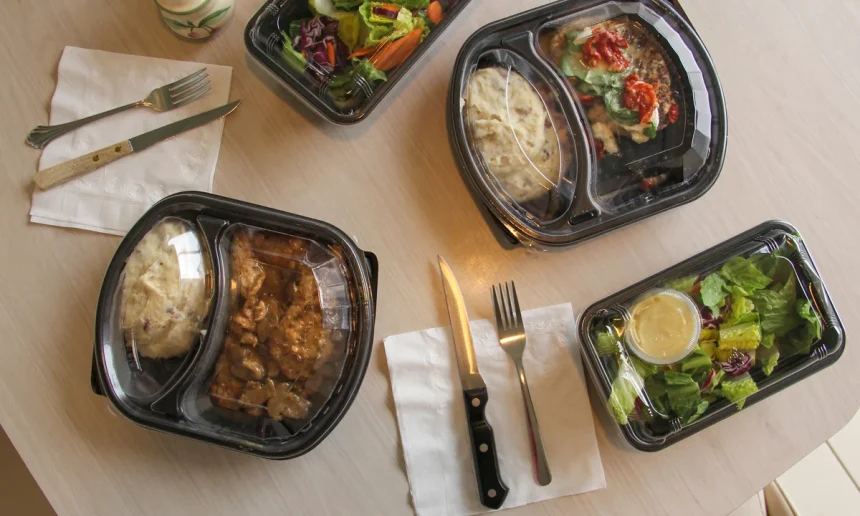
Research suggests that higher takeout food consumption may increase a person’s risk of cardiovascular disease, like heart disease.
In a new study, published in Food Science & Nutrition, researchers said eating takeout food too often can influence systemic inflammation that underlies much cardiovascular disease.
The study of over eight thousand people in the 2009 to 2018 U.S. National Health and Nutrition Examination Survey (NHANES) found that those who eat greater amounts of takeout food are likely to have various elevated risk factors for heart disease.
They were interviewed in their homes and also visited a mobile examination centre, where they recalled their food intake, received cardiometabolic health assessments, and had blood collected.
READ ALSO:23 Ships With Fuel, Food Items To Arrive Lagos Ports – NPA
Mammograms may predict heart disease risk in women — Study
The researchers found a correlation between the amount of takeout food a person consumes and their likelihood of developing chronic low-level inflammation, a key driver of cardiovascular pathology.
Deaths from cardiovascular disease and the consumption of takeout foods are both on the rise, and while that does not prove a causal relationship, the study explores whether there is a connection between the two.
The study tracked degrees of systemic inflammation according to the Dietary Inflammatory Index (DII), a scale that quantifies the risk of inflammation related to the intake of specific dietary substances.
READ ALSO:Food Security: 14,000 Smallholder Farmers To Benefit From N4bn Smart Agriculture Training In Bauchi
The three major takeaways from the analysis included that a higher level of takeout food consumption corresponded to an unfavourable cardiometabolic profile consisting of lower HDL, as well as higher triglycerides, fasting glucose, serum insulin, and insulin resistance.
Jayne Morgan, MD, cardiologist and Vice President of Medical Affairs in a reaction, who was not involved in the study, explained that “Takeout food raises the cardiovascular risk not because of one ingredient, but because of a predictable combination of nutrients, additives, and preparation methods that adversely affect blood pressure, lipids, insulin sensitivity, inflammation, and endothelial function.”
“This includes excess sodium that increases blood volume and blood vessel stiffness, and unhealthy fats, usually saturated fats or trans fats, that increase cholesterol level and atherosclerosis, a condition that can lead to heart attack and stroke.”
Michelle Routhenstein, Preventive Cardiology Dietitian at Entirely Nourished, also not involved in this study, declared, “It is also important to recognise that frequent takeout use often reflects broader lifestyle pressures such as demanding schedules, limited access to cooking resources, irregular meals, and disrupted sleep, all of which can quietly compound cardiovascular risk.”
News
How To Identify Fake Kiss Condoms In Circulation
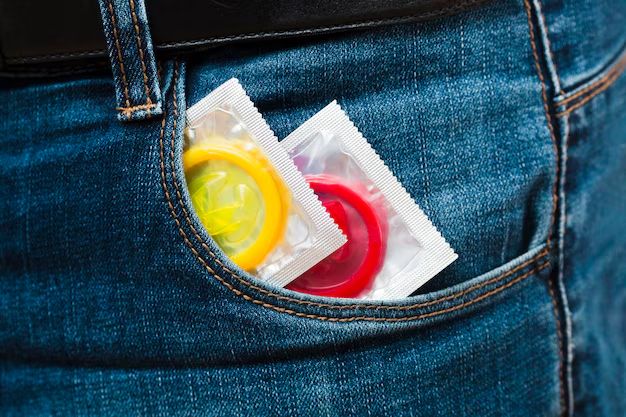
The National Agency for Food and Drug Administration and Control (NAFDAC) has recently warned Nigerians about the circulation of counterfeit Kiss brand condoms in major markets across the country.
Contents
Original DKT Kiss condoms
Fake Kiss condoms
In a public alert published on its website recently and referenced as Public Alert No. 042/2025, the agency said the warning followed information received from DKT International Nigeria, a non-governmental organisation involved in contraceptive social marketing and HIV/AIDS prevention.
NAFDAC stated, “The National Agency for Food and Drug Administration and Control is notifying the public about the sale and distribution of fake Kiss condoms in various Nigerian markets.
“The information was received from the MAH-DKT International Nigeria, a leading non-governmental organisation focused on contraceptive social marketing. Its mission is to provide Nigerians with affordable and safe options for family planning and HIV/AIDS prevention.
“The fake Kiss condoms have been reported to be found in Onitsha Market, Idumota Market, Trade Fair Market, and various markets in Kano, Abuja, Uyo, Gombe, Enugu, and others.”
READ ALSO:Married Man Denies Wife At Brazil Concert To Kiss Tems On Stage [VIDEO]
Kiss condom is a brand of male latex condoms designed to offer sexual protection, including the prevention of unwanted pregnancy and sexually transmitted infections such as HIV, gonorrhoea and syphilis.
To help consumers avoid counterfeit products, NAFDAC outlined key differences between original and fake Kiss condoms.
Original DKT Kiss condoms
The original product comes in a light red box pack with clear instructions printed on the lower part of the pack, including single-use warnings and storage and caution information. The box contains detailed medical device information, including MDSS GmbH, Germany, and a complete Nigerian address at Isolo Industrial Layout, Oshodi-Apapa Expressway.
The condom pack is light red, with the word “Kiss” closely written on six lines. The wallet outer pack is lighter red, carries the Oshodi-Apapa address, manufacturer details, and a clear product description beside the condom image. The hidden flap includes revision dates, medical device details, and caution information, while the wallet inner contains detailed instructions and eight bullet points under important notes.
READ ALSO:Lagos Names Mandy Kiss Anti-drug Abuse Ambassador
The original condom is large, oval-shaped, well-lubricated, and has a large teat end for semen collection.
Fake Kiss condoms
In contrast, fake Kiss condoms come in darker-coloured box packs with little or no additional information. Some boxes are plain white inside and lack condom images. The address is wrongly listed as 42, Montgomery Road, Yaba, Lagos, while the manufacturer’s address is incomplete or missing. Storage and caution information is absent.
The condom pack is darker, with “Kiss” loosely written on five lines and wide spacing. The condom strip is longer than the original. The wallet outer pack is also darker red, carries incorrect or missing addresses, lacks colour wave designs, and shows inconsistencies in barcode lines. Medical device and caution information are missing, and the hidden flap contains no details.
Inside the wallet, information is summarised with only six bullet points. The fake condom is thinner, round-shaped, less lubricated, and has a smaller teat end.
(TRIBUNE)
News
Lagos: Police Arrest 14 Suspected Traffic Robbers On Lekki-Epe Expressway
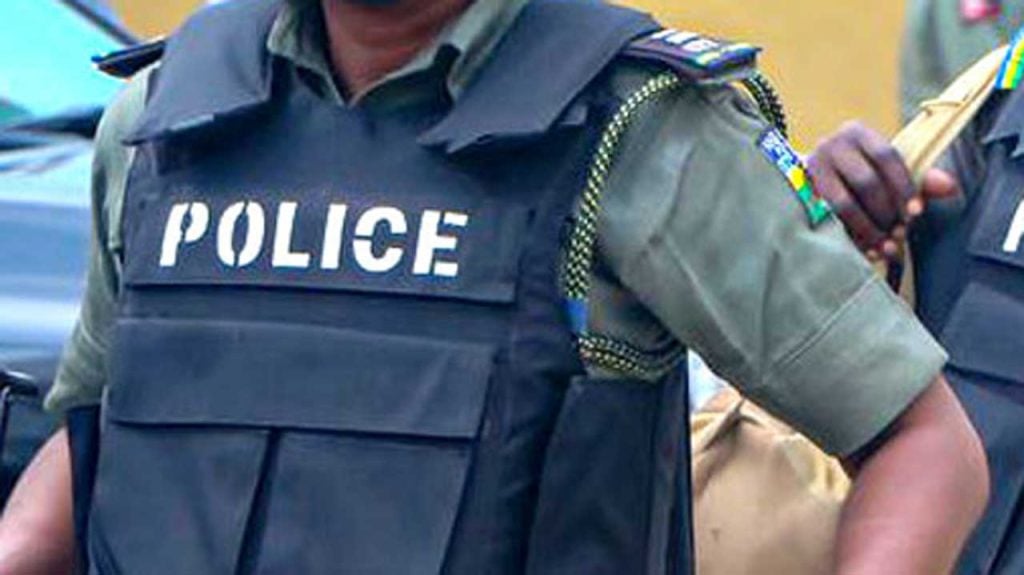
Fourteen persons suspected to be involved in traffic-related robbery have been arrested at various points along the Lekki-Epe Expressway in Lagos over the past two weeks.
The arrests were confirmed on Tuesday by the Lagos State Police Command spokesperson, SP Abimbola Adebisi, via a post on her official X handle, @AbimbolaShotayo.
According to her, operatives of the Command’s Tactical Squad based in Elemoro carried out the operations that led to the suspects’ apprehension.
READ ALSO:VIDEO: Chaos As Last-minute Shoppers Overwhelm Lagos Balogun Market
She explained that the arrests followed sustained patrols and intelligence-driven operations aimed at curbing criminal activities associated with traffic congestion and improving the safety of motorists and other road users along the busy corridor.
Adebisi noted that the development reflects the Command’s determination to strengthen security and uphold law and order on the Lekki-Epe axis, adding that the Tactical Squad has continued to proactively identify crime-prone areas and respond swiftly to threats posed by criminal elements.
She called on residents and commuters to support police efforts by providing timely and credible information that could assist in preventing and detecting crime.
READ ALSO:VIDEO: Chaos As Last-minute Shoppers Overwhelm Lagos Balogun Market
“Security is a shared responsibility. Members of the public are encouraged to stay alert and promptly report any suspicious movements or activities to the nearest police station,” she said.
The police spokesperson further reassured residents and road users of the Command’s commitment to maintaining aggressive patrols and security operations to protect lives and property in the area.
She reiterated the Command’s community policing message, “See Something, Say Something,” stressing the importance of cooperation between the police and the public in sustaining peace and security.

 Headline5 days ago
JUST IN: US Forces Bomb Terrorists Camps In Nigeria
- Headline5 days ago
US Dept Of War Shares Video Of Air Strikes In Nigeria
- News4 days ago
PHOTOS: SGF George Akume Weds Ooni’s Ex-Queen
- News2 days ago
Ex-Edo Gov Obaseki Reacts As His Cousin Is Beaten, Stripped
- News2 days ago
BREAKING: Anthony Joshua Involved In Road Accident
- News5 days ago
Shehu Sani Reacts To Trump’s Military Strikes In Nigeria
- News5 days ago
Trump’s Airstrikes: Halt Military Cooperation With US Immediately – Sheikh Gumi Tells Tinubu Govt
- Headline5 days ago
U.S. Lawmaker Reacts To Nigeria, U.S. Airstrikes
- Metro2 days ago
Obaseki Beaten, Stripped In Edo
- Politics1 day ago
You’re Not 001 – Wike Rubbishes Claims Of Fubara Being APC Leader In Rivers


