
News
IPMAN To Shutdown 30,000 Filling Stations Over N200bn Debt
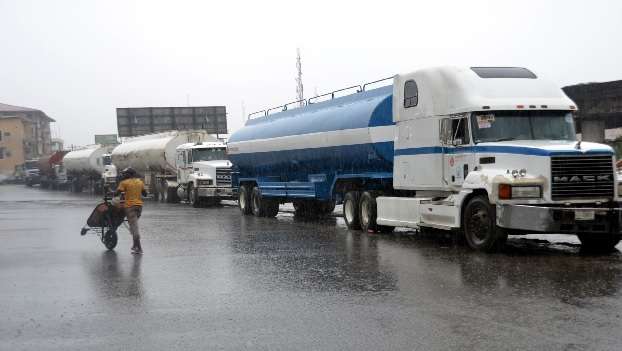
Oil dealers under the aegis of the Independent Petroleum Marketers Association of Nigeria, on Tuesday, declared that it would shut down the 30,000 stations operated by IPMAN members across the country if the Federal Government fails to pay the N200bn that is being owed marketers.
IPMAN specifically said the Nigerian Midstream and Downstream Petroleum Regulatory Authority, an agency of the Federal Government, had refused to clear the debt, which had continued to accrue since September 2022.
It disclosed this in a communique issued in Abuja by the Chairman of IPMAN Depot Chairmen Forum, Yahaya Alhassan, over the non-payment of marketers’ bridging claims. IPMAN controls over 30,000 filling stations in Nigeria.
Bridging claims are payments made by the government to oil marketers for the transportation of petroleum products loaded from depots to various states across the country.
Alhassan said the consequences of the failure by NMDPRA to pay the N200bn “will be terrible, as every marketer’s outlet across Nigeria, from the North to the South, and from the East to the West, will be shut down.”
He added, “As IPMAN, we have taken every step in the past to salvage this unfortunate and looming situation, which we know will not augur well for Nigerians, but we are presently left with no option than to go all out in the next few days to address this ugly trend in our own way, which will portend great hardship and danger for Nigerians.”
The IPMAN official pointed out that at a stakeholders meeting held on February 20, 2024, with the Minister of State for Petroleum Resources (Oil), Heineken Lokpobiri, and the National Security Adviser, Nuhu Ribadu, the Chief Executive of NMDPRA, Farouk Ahmed, was mandated by Lokpobiri to clear the entire debt in 40 days.
READ ALSO: LASTMA, Viju Officials Clash Leaves 10 Injured
“However, today we have crossed the 40 day time-lapse given to the NMDPRA to clear the debt, and it is shameful to state that only the paltry sum of N13bn has been paid, thus going the whole length to ignore our plight without remorse and without recourse to the minister’s directive.
“Before now, we had taken the honourable path to continually seek an explanation from the NMDPRA on why it has blatantly refused to offset the remaining debt, but we have ceaselessly met brick walls,” Alhassan stated.
He said IPMAN was extremely distressed and depressed by the laidback attitude of the leadership of NMDPRA towards the survival of its members’ businesses, arising from NMDPRA’s deliberate delay and refusal to offset the debt of over N200bn.
“This has consequently led to the deaths of many of our members and the unfortunate collapse of their businesses. It is also disheartening to note that some of our members have completely shut down their businesses and retrenched their employees as we are no longer able to pay salaries.
READ ALSO: Suspend Implementation Of New Electricity Tariff, Reps Tell NERC
“As businessmen and women, our members acquired bank loans to keep their fuel retail outlets running on a daily basis across the nooks and crannies of Nigeria, in order to serve the teeming population of Nigerians.
“However, it is demoralising to know that many of our members have gone bankrupt and have become financially insolvent as a result of their inability to meet their financial obligations to their banks, arising wholly from their inability to get their monies from the NMDPRA,” Alhassan stated.
Consequently, according to the IPMAN official, the banks have taken over the business premises of many of our members.
He said, “NMDPRA have illegally taken our monies and this is the highest level of fraud. Sequel to this, we are appealing to Mr President to please intervene in this quagmire that we have been subjected to by the NMDPRA.
“We repeat, if our demands are not met within the shortest period of time, we have already put our members on standby across the nation, as law-abiding citizens, we are collectively prepared to withdraw our services, close every single outlet, and suspend lifting of products forthwith till our demands are fully met.”
READ ALSO: 10 Killed As two Military Helicopters Collide
When contacted, the NMDPRA said the payment process was ongoing. “Not everyone is paid at the same time, rather the payment process is an ongoing thing,” a spokesperson for the agency, Seiyefa Osanebi stated.
Meanwhile, commenting on the scarcity of fuel across the country, Alhassan said the problem was because the Nigerian National Petroleum Company Limited was not supplying enough petrol to dealers.
“It is expedient for us to state that we are more pained by the non-availability of petroleum products across the country, which has given rise to another round of untold hardship for Nigerians.
“We would like to categorically state that the scarcity of PMS is wholly triggered by the NNPC and not by IPMAN or her members. Contrary to claims that IPMAN members are hoarding PMS products, we make bold to say that NNPC is the sole importer of PMS and therefore the sole cause of the present scarcity in Nigeria,” he stated.
IPMAN also stated that NNPC was supplying petrol to private depots, adding that these depots raise the cost of the commodity to as high as N850/litre, which often leads to higher pump prices nationwide.
NNPC, however, assured Nigerians that the ongoing fuel scarcity and queues would be cleared out by Wednesday, May 1, 2024. Its Chief Communications Officer, Olufemi Soneye, reportedly stated this on Tuesday in Lagos.
He said the company currently has availability of products exceeding 1.5 billion litres, which can last for at least 30 days and blamed problems of logistics for the scarcity of petrol nationwide.
PUNCH

News
OPINION: An Epidemic Of Sorrow

By Lasisi Olagunju
In Oyo State, a woman has four grandchildren and a daughter-in-law abducted from a school by terrorists. They are still in the bush; their abductors are unyielding.
An Ekiti man took N10.5 million to kidnappers and still failed to secure the release of his 80-year-old mother.
On Saturday in Katsina, a Major General, former spokesman of the Nigerian military and his wife were abducted in broad daylight and dragged into the bush.
The woman with four grandchildren and a daughter-in-law in captivity was a ghostly sight to behold. Sobbing, she told Governor Seyi Makinde during his visit to her village on Saturday:
“E nwo mi? As you are looking at me like this, I am naked; my four grandchildren and daughter-in-law who teaches at the school were taken away. My son’s wife is the one with a child in the video (released by the terrorists). We have never witnessed anything like this in our community. It is so sad. My grandchildren are there in the bush. The government should help bring them back safely. You are the only one who can do it.”
As the woman sobbed, her tears echoed across the field. Even if you have feasted on the tortoise’s jinxed head and become immune to pity, the video I watched and the photographs of victims’ relatives who met the governor should still break your heart.
Nigeria personifies Shakespeare’s words in Hamlet where we learn that grief with its synonym – heartache – can be unremitting in occurrence. The playwright writes that “sorrow comes not single spies, but in battalions.” What bandits have put in the Ogbomoso area is a full barn of woes.
Death brings grief; unresolved abduction brings endless torment. Disappearance keeps hope and despair locked in a ceaseless struggle. As the Yoruba say, “Ọmọ ẹni kú, ó sàn ju ọmọ ẹni nù lọ”—painful as the death of a child may be, it is still better than the agony of knowing that the child lives in the house of death.
READ MORE FROM THE AUTHOR: OPINION: APC’s Politics Of Consensus
As in the classical elegies, grief moved through the Oyo community like a dark procession, leaving behind shattered families, yet unanswered prayers and cries heavy with loss.
Like Macduff’s Scotland, Nigeria weeps and bleeds; each day adds a fresh wound to its many scars.
In April, the kidnappers in Ekiti demanded N10.5 million. They collected the money in a Kwara forest and still refused to release the 80-year-old woman and other captives, insisting that the community must produce another N40 million. Ogundele Ojo, the man who led the team that took the ransom to the bandits, is from a village called Eda Oniyo in Ekiti State. His ordeal was narrated to a radio presenter and is captured in a video now circulating online.
The man said his mother, Rachael Aina, his younger brother’s wife, her only child, and several other villagers were abducted during a church service. The presiding pastor was shot in the back, the bullet tearing through his chest. In 2026 Nigeria, a place of prayer became a house of mourning; a gathering for worship ended in tears, terror and blood.
“This is my mother’s photo, she just came back from the hospital the day she was abducted,” the man said and broke down in tears.
Two weeks ago, Emeritus Professor Toyin Falola told me in an interview that Nigeria suffers from an epidemic of insecurity and an epidemic of death. He was right; his words perfectly capture a country where every day brings fresh tragedy.
Shakespeare, writing in Macbeth, describes a broken nation where “each new morn, new widows howl, new orphans cry, new sorrows strike heaven on the face that it resounds…and yelled out like syllable of dolor..” Four centuries after Macbeth was written, the line reads like a dispatch from Nigeria. Each new morning in Nigeria brings fresh widows, new orphans and new griefs. Sorrow, in relentless fury, seems to strike heaven itself in the face, compelling even the skies to cry out in anguish.
The dam has broken.
A friend and I asked ourselves last night: how many Nigerians are chained in forests, camps and hideouts across this country? Nobody knows. Not the communities. Not the security agencies. Not the government. If a figure is announced at 8 a.m., it becomes obsolete by nine.
The abduction statistics are more elusive than Nigeria’s ‘faithless’ primary election figures. We have become a nation counting victims without knowing their number. Horror has become our country’s daily companion.
READ MORE FROM THE AUTHOR: OPINION: A Dream Of Nigeria
Even as we speak, the epidemic spreads. Before Oyo, Ekiti and Katsina came other afflictions, arriving in waves like the plagues of Egypt, each one more frightening than the last.
The tragedies are so many that one easily loses count. But Amnesty International, made of sterner stuff, keeps a tally. I have here some of the entries in its ledger of Nigerian sorrow:
On 3 January 2026, gunmen attacked Kasuwan Daji community in Niger State’s Borgu Local Government Area and abducted 57 people.
On 3 February 2026, armed men invaded Woro village in Kaiama Local Government Area of Kwara State, killing about 200 people and abducting 176 others.
On 3 March, Boko Haram fighters attacked Ngoshe town in Borno State’s Gwoza Local Government Area, abducted more than 400 people and laid siege to the town.
In the first week of March, gunmen stormed Kurfa Danya and Kurfan Magaji villages in Zamfara State’s Bukkuyum Local Government Area and abducted 150 people, most of them women and children.
On 19 March, Boko Haram fighters seized more than 100 displaced persons working in Kumbul Forest near Mafa in Borno State.
On 22 March, gunmen attacked three churches in Kaduna State’s Kachia Local Government Area and abducted 30 worshippers.
The list is long, as long as the line of hungry almajirai waiting for food in a northern town. These are not mere statistics. They are fathers and mothers, sons and daughters, neighbours and friends. They are Nigerians swallowed daily by a widening geography of fear.
READ MORE FROM THE AUTHOR: OPINION: Boko Haram Comes South
The dead are not worse off than the living; the abducted are as traumatised as the spared. The grief of the afflicted is beyond words. Yet Amnesty International captured some of their voices:
“They didn’t just kill; they stole our lives away. They abducted 176 people, including my second wife and my three daughters. One of them is only two years old. I have seen the video they posted on social media. I heard my wife’s voice. I saw my people. It has been almost two months now, and they are still in that forest,” said a man from Woro community in Kwara State.
Another resident described the wider tragedy:
“In almost all cases of these abductions, people were also killed while homes and shops were looted and razed. In some cases, families have had to dispose of everything they own to pay ransom, while villages often crowd-fund to rescue their people. Those who cannot pay are sometimes killed, disappeared or subjected to further torture. What we are witnessing in northern Nigeria today is an abduction crisis that increasingly endangers lives.”
Those northern voices were recorded in April 2026. We are now in June, and the tears have spread beyond the North. The West is drenched. Last week, I said I feared a convulsion or a combustion. I still do. Each day of anxiety, grief and pain deepens a dangerous perception in the South: that the violence tormenting its communities is being imported from elsewhere. Every fresh abduction, every killing, every shattered family pushes more people towards a conclusion that the terror afflicting their communities comes from outside their homeland. That is a dangerous road for any country to travel.
And the Nigerian state appears helpless—stuck and sinking in the mud of unregulated violence. Where do we go from here? Should citizens be trained and licensed to carry arms for self-defence? Increasingly, these are questions which frightened communities are asking.
History offers an intriguing parallel to what we suffer. The Spanish countryside of the eighteenth century was insecure and poorly policed. Farmers and their harvests, travellers and their wares, were easy prey for bandits. In 1769, King Charles III of Spain responded by issuing a decree prohibiting the carrying of arms in the countryside after the hunting season. But he exempted farmers and travellers.
The exemption was revealing. As Henk Driessen (1983) notes, it amounted to an implicit admission that rural areas were insecure and could not be efficiently policed by the state. The king restricted weapons, but he also understood that those who worked the land and travelled lonely roads deserved safety and needed the means to defend themselves.
The question for Nigeria is whether we have reached the same point as eighteenth-century Spain, where the state tacitly admitted its inability to secure the countryside, or whether our rulers still refuse to accept that much of the country beyond the cities is unsafe and effectively abandoned to its fate.
Above, I quoted Shakespeare’s “syllable of dolor.” In today’s English, the phrase means a cry of grief, a sound made by sorrow itself. As I write this elegy for a wounded country, the feeling is that every abduction, every ransom demand and every fresh grave adds another note to Nigeria’s long song of dolor.
Something must change before that sad song becomes our permanent national anthem.
News
OPINION: The Rebellion In APC
By Lasisi Olagunju
For no reason beyond bad belle, Orishala urged Ogun to pull down Orunmila’s house. Why? Ogun asked. Orishala hinted that Orunmila had become a dangerous rival to his dominance in the pantheon of the gods.
Like a hired killer, Ogun agreed. But how would he recognise Orunmila’s house? He had never been there. Orishala gave detailed directions and added one crucial clue: Orunmila’s house, unlike his own, had no white cloth on its roof.
But Orunmila had ears everywhere. He heard the plot and acted swiftly. Under cover of darkness, he removed the white cloth from Orishala’s roof and placed it on his own.
So when Ogun arrived in fury, the house he smashed belonged to Orishala, his client. Ogun killed everyone inside and left Orunmila untouched. Then Orunmila danced and sang: Aseni n se ara è. From that day, Orunmila became the boss.
READ MORE FROM THE AUTHOR: OPINION: Boko Haram Comes South
A few weeks ago, while writing about the splintering of opposition parties and the coronation songs in the APC, I wrote about a man who set fire to his neighbours’ huts, forgetting that flames obey no boundaries; they usually consume their owner too.
I apply the Orishala-Orunmila story to Nigeria’s party politics. Orunmila’s survival sense is lacking in opposition parties. He survived because he saw the danger coming and acted. Nigeria’s opposition parties, by contrast, have often behaved like victims waiting patiently for the executioner.
But karma is real, even the neck of one who beheads is not immune to the sharp sword of death. The APC once celebrated the demolition of its rivals’ political homes. Today, the bell tolls for the demolisher.
And those leaving are not limping quietly into the night. They are talking; using words that de-market. A former Inspector-General of Police, Mohammed Abubakar Adamu, who resigned from the APC days after losing the party’s governorship primary in Nasarawa, said internal democracy, fairness, transparency and equal opportunity that should guide a democratic political party were absent in the ruling party. That is not a good testimonial for a party that wears ‘progressive’ on its forehead.
READ MORE FROM THE AUTHOR: OPINION: Nigeria’s Ass In The Lion’s Skin
Adamu was not alone.
For the same reason, former Deputy Senate President, Ovie Omo-Agege, announced his resignation from the party. A day later, a former Speaker of the Delta State House of Assembly also quit. Their departure is not the issue. The issue is that the ruling party could itself suffer what it once mocked others for suffering.
Even then, APC should worry less about those quitting; its death may be those who are staying put like the pest that has vowed to destroy kolanut from inside. Political parties are usually damaged more by the wounded who remain than by the angry who leave.
So, from Nasarawa to Delta, and across much of the federation where primaries were conducted, the APC is struggling to contain the inferno ignited by the very process it called primaries. What was meant to be a season of coronation has become a season of rebellion. The fire it lit in other people’s compounds has found its way back home.
News
Why Malaria Keeps Coming Back: Three Stories Of Treatment Failure, Recurrence

By Weriwoyingipre Silver Yeibake
Malaria is a disease that millions of Nigerians live with every year. In the Niger Delta region—where Rivers State, Bayelsa State, and Delta State are located—the climate is perfect for mosquitoes. The rain falls heavily for months at a time. The creeks flood. The vegetation is thick and green. All of these conditions create breeding grounds for the mosquitoes that carry malaria. For families in towns like Yenagoa, Port Harcourt, Opobo, Brass, and Sagbama, malaria is not something that happens once and then disappears. It is a constant threat. A child wakes up with fever. A mother shivers under blankets. A fisherman cannot go to the river because his body aches.
When someone gets malaria, the standard treatment is clear. The World Health Organization recommends artemisinin-based combination therapies, called ACTs, as the first-line treatment for Plasmodium falciparum malaria, which is the deadliest type of malaria in Africa. These medicines include artemether-lumefantrine, artesunate-amodiaquine, and artesunate plus clindamycin. When taken correctly, these drugs kill the malaria parasite at different stages of its life cycle. They cure the infection in three days. The fever goes away. The patient feels better. The parasites are gone from the blood. This is what should happen.
But in real life, many people do not get cured. They take their medicine. Their fever goes down for a few days. Then the fever comes back. They feel weak. They are tired. They go back to the clinic. The doctor tests them again. The malaria is still there. This is called recurrence or recrudescence. It happens when the parasite was not completely eliminated from the body. Some parasites survived the treatment, hid in the liver or deep in the blood, and then came back to multiply again.
There are many reasons why malaria treatment fails and symptoms come back. Sometimes the patient does not take the medicine correctly. They skip doses. They stop early because they feel better. Sometimes the medicine is fake or substandard. Sometimes the patient is also taking herbal remedies that interfere with the antimalarial drug. Sometimes the malaria parasite has developed resistance to the drug. Sometimes the patient has other health problems that make treatment harder. Whatever the cause, the result is the same: the malaria comes back, the patient gets sicker, and the cycle continues.
To understand why this happens, let me tell you three stories from the Niger Delta. These are three people between 15 and 45 years old who got malaria, took treatment, and then saw their symptoms return. Their stories show different reasons for treatment failure and different outcomes. They are from different communities, different age groups, and different walks of life. But they all have the same lesson: when malaria treatment fails, it is not just bad luck. It is usually something predictable that can be prevented.
—The Story of Datonye, 19, from Degema—
Datonye is 19 years old and lives in Degema, Rivers State. He is a student at a technical college in Port Harcourt. He comes from a family of fishermen. His father and uncles fish in the creeks around Degema. Datonye is learning to be a mechanic so he can support his family when he finishes school. He is young, active, and full of energy. He plays football on weekends. He helps his father repair fishing nets. He thinks he is too young to get serious diseases.
In late March, Datonye woke up with a high fever. His head hurt. His body ached. He felt weak and could not get out of bed. His mother tested him with a rapid diagnostic test at home. It was positive for malaria. She gave him a pack of artemether-lumefantrine that she had bought from a patent medicine shop near the market. She told him to take it as the instructions said.
Datonye took the first two tablets on the day he started feeling sick. He took the next two tablets eight hours later. On the second day, he took two tablets in the morning and two in the evening. On the third day, he took two tablets in the morning. But by the afternoon, he felt better. The fever had gone down. He was eating again. He felt strong. He thought he was cured. He did not take the last two tablets that were supposed to be taken on the third day evening. He threw the rest of the pack away. He thought he did not need them anymore.
Two weeks later, Datonye got sick again. The fever came back. His head hurt again. His body ached again. He felt weaker than before. He went back to his mother. She gave him the same medicine from the same shop. He took it again. He felt better for three days. Then the fever came back again. This time it was worse. He could not eat. He was vomiting. His urine was dark. He looked yellow around the eyes.
Datonye’s mother took him to the hospital in Port Harcourt. The doctor tested him again. The blood smear showed that the malaria parasite was still in his blood. The parasite count was high. The doctor said Datonye had recrudescence. The malaria had come back because the first treatment was not complete. Datonye had not finished the full three-day course of medicine. The parasites had not been completely killed. Some survived and started multiplying again.
The doctor treated Datonye again, this time with intravenous artesunate because his malaria was getting severe. He also gave Datonye fluids because he was dehydrated from vomiting. Datonye stayed in the hospital for five days. He had to miss two weeks of school. His father had to take time off from fishing to care for him. They spent money on hospital bills and transportation.
What happened to Datonye is very common. Many young people in the Niger Delta do not finish their full course of antimalarial medicine. They stop when they feel better. They think they are cured. But feeling better does not mean the parasites are gone. The fever goes away because the drug has killed most of the parasites, but some may still be hiding. If you stop the medicine early, those surviving parasites have a chance to multiply again. The malaria comes back, and this time it may be worse.
Studies have shown that incomplete treatment is one of the main reasons for malaria recurrence in Nigeria. When patients do not take the full dose, the drug concentration in the blood drops below what is needed to kill all the parasites. The parasites that survive are often more resistant to the drug. This is how drug resistance develops. Datonye’s case shows how a simple mistake, stopping medicine early, can lead to severe illness, hospitalization, and contributes to the bigger problem of drug-resistant malaria.
Datonye is fine now. He finished a full course of intravenous artesunate and oral follow-up medicine. He goes back to school. But he tells his friends now: when you take malaria medicine, finish all the doses. Do not stop when you feel better. Finish all three days. Even if you feel 100 percent cured on day two, take the medicine on day three. That is the only way to make sure the malaria does not come back.
—The Story of Ovieni, 28, from Yenagoa—
Ovieni is 28 years old and lives in Yenagoa, Bayelsa State. She is married and has two children, a boy who is 5 and a girl who is 3. She works as a trader in the local market. She sells food items like rice, palm oil, and dried fish. She is hardworking and responsible. She takes care of her children and supports her husband, who is a driver. Ovieni is the kind of woman who takes care of everyone else but sometimes forgets to take care of herself.
In May, during the rainy season, Ovieni started feeling feverish. She had chills. Her body ached. She thought it was just the weather. She did not go to the clinic right away. She waited two days. By the third day, the fever was very high. Her children noticed she was weak and told their father. Her husband took her to the primary health center in Yenagoa.
The health worker tested Ovieni for malaria. It was positive. She prescribed artesunate-amodiaquine, one of the standard ACT combinations used in Nigeria. She told Ovieni to take two tablets in the morning and two in the evening for three days. She also told her not to eat bitter leaf juice and not to drink any herbal medicine while taking the antimalarial.
Ovieni went home and took her medicine. But on the second day, her mother-in-law visited. Her mother-in-law is a traditional healer who believes in herbal remedies. She saw that Ovieni was still feeling weak. She told Ovieni that the modern medicine is not enough. She said Ovieni must also drink bitter leaf juice to strengthen her blood and clean her system. She brought a container of fresh bitter leaf juice and told Ovieni to drink it twice daily.
Ovieni respected her mother-in-law. She is a good daughter-in-law. She started drinking the bitter leaf juice along with her artesunate-amodiaquine. She thought she was doing the right thing. She thought the bitter leaf would help her recover faster. For the first two days, she felt a little better. The fever went down. She ate some food. On the third day, she finished her medicine. She felt okay.
But ten days later, Ovieni got sick again. The fever came back. She felt more tired than before. She could not stand for long. Her skin looked pale. Her children noticed she was weak and told their father again. Her husband took her back to the clinic. The blood smear showed that the malaria parasite had returned. Ovieni had recrudescence.
The doctor treated Ovieni again with a different ACT, artemether-lumefantrine. He also tested her hemoglobin and found that she had anemia. Her hemoglobin was 8.1 g/dL, which is low. Malaria destroys red blood cells, and when it comes back, it destroys more. The doctor gave her iron supplements and folate. Ovieni spent three weeks recovering. She could not work in the market. Her income stopped. Her husband had to support the family alone.
What happened to Ovieni is also very common. Many people in the Niger Delta believe that combining herbal remedies with modern medicine makes treatment stronger. They do not know that some herbs interfere with how the body processes antimalarial drugs. Bitter leaf, which is Vernonia amygdalina, has some antiplasmodial activity in laboratory studies. It can reduce parasite count. But it does not completely eliminate parasites. When taken with ACTs, it may give a false sense of recovery while viable parasites remain.
Research has shown that the World Health Organization explicitly warns that non-pharmaceutical forms of antimalarial plants, like bitter leaf juice, have variable and insufficient concentrations of active compounds to prevent recrudescence. Ovieni thought the bitter leaf was helping her. She thought it was safe and natural. But it was not enough to kill all the parasites. The malaria came back, and this time Ovieni also had anemia, which made her feel even weaker and took longer to recover.
READ ALSO: Syncope Or Fainting: What You Need To Know
Ovieni is fine now. She finished her second course of treatment and took iron supplements for a month. Her hemoglobin is back to normal. She is working in the market again. But she tells other mothers now: do not drink bitter leaf with malaria medicine. Take the medicine alone. Finish all three days. Do not add anything. Her mother-in-law still believes in bitter leaf, but Ovieni no longer listens. She learned the hard way.
—The Story of Nengi, 42, from Brass Town—
Nengi is 42 years old and lives in Brass Town, Bayelsa State. He is a fisherman and a boat owner. He has a small fishing business with three other men. He has a wife and four children. Nengi is a respected man in his community. He is a church deacon. He helps organize community events. He is healthy and active. He has never been seriously sick before.
In June, Nengi woke up with fever. He had chills. His body ached. He felt weak. He went to the clinic in Brass Town and tested positive for malaria. The doctor prescribed artemether-lumefantrine. Nengi took the medicine as directed. He took two tablets immediately, then two after 8 hours. He took two tablets twice daily for three days. He finished the full course. He felt better after two days. The fever went away. He thought he was cured.
But Nengi did not stop there. He went to a herbalist he knew in the market. The herbalist told him that he should also take MAMA powder to clean his blood and prevent the malaria from coming back. The herbalist said MAMA powder is made from direction tree bark and adatama seed. It is a powerful herbal antimalarial that has cured many people. Nengi, who wants to make sure he is completely healthy, bought the MAMA powder. He started taking it twice daily along with his artemether-lumefantrine, even though he had already finished the ACT.
For one week, Nengi felt fine. He went back to fishing. He worked on his boat. He felt strong. But on the eighth day, he started feeling feverish again. At first, he thought it was just fatigue from working. But the fever got worse. By the third day, the fever was very high. He had chills. His body ached. He went back to the clinic.
The blood smear showed that Nengi had malaria again. The parasite count was high. The doctor said Nengi had recrudescence. But this time, something was different. Nengi’s liver enzymes were elevated. His ALT was 180 U/L and his AST was 156 U/L. The doctor said Nengi had liver damage. The MAMA powder had caused hepatotoxicity.
Nengi was admitted to the hospital. He was given intravenous artesunate to treat the malaria. He was also given supportive care for his liver. He stayed in the hospital for six days. His liver function was monitored every day. It took three weeks for his liver enzymes to return to normal. Nengi could not work for a month. He lost income from his fishing business. His wife had to take care of the children and manage the household alone.
What happened to Nengi is more serious than the other two cases. Nengi finished his full course of ACT, so his treatment failure was not because he stopped early. His treatment failure was because the MAMA powder interfered with the antimalarial drug. MAMA powder contains alkaloids from Alstonia boonei that interact unpredictably with antimalarial drugs. Studies have shown that MAMA powder can antagonize artesunate but potentiate other drugs, leading to toxic accumulation in the body. When drugs build up to toxic levels, they damage organs like the liver.
Additionally, MAMA powder can inhibit CYP3A4, the liver enzyme responsible for breaking down certain antimalarial drugs. When this enzyme is inhibited, the drug is not metabolized properly and builds up in the blood to toxic levels. This can cause liver damage, kidney damage, or even fatal heart arrhythmias. Nengi was lucky. His liver recovered. But he could have died if the damage had been more severe.
Nengi is fine now. His liver is back to normal. He is fishing again. He is back to his normal life. But he tells other men in his community now: do not take herbal medicine with antimalarials. Do not take MAMA powder. Do not take Agbo iba. Do not take anything else. Just take the ACT as prescribed. Finish all the doses. That is enough. Nengi learned that herbal remedies are not harmless. They can cause serious harm when combined with modern medicine.
—What These Three Stories Teach Us—
Datonye, Ovieni, and Nengi. Three people. Three different ages. Three different communities. Three different reasons for treatment failure and malaria recurrence. But all three have the same lesson: incomplete or incorrect treatment leads to malaria coming back.
Datonye, 19, from Degema, did not finish his full course of artemether-lumefantrine. He stopped when he felt better. The parasites survived and multiplied again. He developed recrudescence and had to be hospitalized. His mistake was incomplete treatment.
Ovienien, 28, from Yenagoa, finished her full course of artesunate-amodiaquine, but she also drank bitter leaf juice. The bitter leaf interfered with the treatment. The parasites were not completely killed. She developed recrudescence and anemia. Her mistake was combining herbs with antimalarials.
Nengi, 42, from Brass Town, finished his full course of artemether-lumefantrine, but he also took MAMA powder. The MAMA powder interfered with the drug and caused liver damage. He developed recrudescence and hepatotoxicity. His mistake was taking herbal medicine after finishing ACT.
These are not isolated cases. These are predictable outcomes. When patients do not take medicine correctly, when they combine herbs with antimalarials, or when they take substandard medicine, the parasites survive and come back. This is how malaria treatment fails. This is why symptoms recur.
The science is clear. When antimalarial drugs are not taken in the right dose for the right duration, blood levels of the drug drop below what is needed to kill all parasites. The surviving parasites multiply and cause recrudescence. When herbs are combined with antimalarials, they can induce liver enzymes that speed up drug metabolism, reducing drug levels. Or they can inhibit liver enzymes, causing toxic accumulation. Either way, the treatment fails.
—Practical Steps to Prevent Malaria Treatment Failure—
If you or someone you love gets malaria in the Niger Delta, follow these practical steps to make sure treatment works and malaria does not come back:
—Before Treatment Starts—
1. Get tested before taking medicine. Do not assume it is malaria just because you have fever. Go to a clinic or health center and get a malaria rapid diagnostic test or blood smear. Malaria RDTs and blood smears are available at most health centers in Rivers State and Bayelsa State.
2. Confirm the diagnosis. If the test is negative but you still have fever, ask the doctor to check for other causes of fever like typhoid, dengue, or respiratory infections.
3. Get medicine from reliable sources. Buy ACTs from licensed pharmacies, licensed chemical shops, or government health centers. Do not buy from street vendors, unknown shops, or people selling on the roadside. Fake and substandard medicines are a problem in Nigeria and do not have enough active ingredient to kill parasites.
—During Treatment—
4. Take the full three-day course. Do not stop when you feel better. Finish all doses even if your fever goes away on day one or day two. The parasites may still be hiding.
5. Take medicine at the right time. Follow the schedule exactly. If the doctor says take in the morning and evening, take it at those times. Do not skip doses. Set alarms if needed.
6. Take with food if recommended. Some ACTs like artemether-lumefantrine work better when taken with fatty food like milk, eggs, or peanut butter. Ask your doctor or pharmacist.
7. Do not add herbal medicine. No bitter leaf juice. No MAMA powder. No Agbo iba. No neem tea. No African peach root decoction. Nothing. Just the modern medicine. Herbal remedies may seem safe, but they can interfere with antimalarial drugs and cause treatment failure.
READ ALSO:Urinary Retention: What You Need To Know
8. Do not share medicine. Medicine prescribed for you may not be right for someone else. Do not give your medicine to family members or friends.
9. Keep all medicine until finished. Do not throw away leftover tablets. Finish the entire pack.
—After Treatment—
10. Watch for returning symptoms. If fever, chills, or weakness come back within two weeks, go back to the clinic. Do not assume it is a new infection. It may be recrudescence.
11. Do not self-medicate for recurrence. If symptoms return, go to the clinic for testing. The doctor may need to prescribe a different medicine.
12. Use prevention measures. Sleep under insecticide-treated bed nets every night. Wear long sleeves and pants in the evening. Use mosquito repellent. Clear stagnant water around your house. These measures reduce mosquito bites and prevent getting malaria again.
13. Tell your family. If your mother wants to give you bitter leaf juice, tell her no. If your friend wants to give you MAMA powder, tell him no. If your neighbor says the medicine is not working and you should add herbs, tell them no. Educate them. Their lives may depend on it.
—The Truth About Common Malaria Myths—
Let me talk to you about some things people say about malaria that are not true. These myths are common in our communities, in our markets, in our homes. When people believe them, they make mistakes that lead to treatment failure. Let me tell you the truth behind each myth, the way I would explain it to a friend sitting with me on a bench.
First, many people say, “If fever goes away, malaria is cured.” This is what Datonye thought. He felt better after two days of medicine, so he stopped. But fever goes away because most parasites are killed, not all. Some parasites may still be hiding in your blood. You must finish the full three-day course to kill all parasites. Feeling better does not mean the job is done.
Second, many people say, “Herbal medicine makes treatment stronger.” This is what Ovieni’s mother-in-law believed. She gave Ovieni bitter leaf juice to make the medicine work better. But herbs like bitter leaf and MAMA powder can interfere with antimalarial drugs. They can reduce their effectiveness or even cause toxicity. When you mix herbs with ACTs, you are not helping. You are making things worse.
Third, many people say, “Bitter leaf juice is safe and natural.” Everyone knows bitter leaf. Mothers give it to children. Elders drink it. But just because something is natural does not mean it is safe with malaria medicine. Bitter leaf has some antiplasmodial activity in laboratory tests. It can reduce parasite count. But it does not completely eliminate parasites. The WHO warns that bitter leaf juice has insufficient active compounds to prevent recrudescence. Ovieni learned this when malaria came back ten days later.
Fourth, many people say, “You can stop medicine when you feel better.” This is the most dangerous myth. Feeling better does not mean parasites are gone. Stopping early allows surviving parasites to multiply and cause recrudescence. Datonye stopped on day three evening. Two weeks later, malaria came back worse. He had to go to the hospital. He lost two weeks of school. All of this because he stopped early.
Fifth, many people say, “All fever is malaria.” How many times have you heard someone say, “You have fever, let me give you antimalarials”? But many diseases cause fever including typhoid, dengue, influenza, and respiratory infections. Get tested before taking malaria medicine. If you take antimalarials when you do not have malaria, you are wasting medicine and contributing to drug resistance.
Sixth, many people say, “You can share malaria medicine with family.” Some people think, “I have extra tablets. Let me give them to my child or my husband.” But medicine is prescribed based on weight and age. A dose that is right for you may be too much or too little for someone else. Sharing can lead to wrong dosing and treatment failure. Each person needs their own prescription.
Seventh, many people say, “MAMA powder cleans blood and prevents malaria.” Herbalists sell MAMA powder with this promise. They say it will clean your blood and prevent malaria from coming back. But MAMA powder contains alkaloids that interfere with antimalarial drugs. Studies show it can cause hepatotoxicity and fatal arrhythmias when combined with ACTs. Nengi learned this when his liver became damaged and he was hospitalized for six days.
Eighth, many people say, “Taking more medicine cures faster.” Some people think, “If two tablets are good, four tablets must be better.” But taking more than prescribed does not cure faster. It causes toxicity and organ damage. Take exactly what the doctor prescribes. No more, no less.
Ninth, many people say, “Malaria is only during rainy season.” People think, “When the sun is hot, I will not get malaria.” But malaria can occur year-round in the Niger Delta due to constant mosquito breeding in creeks and flooded areas. The mosquitoes do not stop breeding when the rain stops. You must protect yourself every day, not just during rainy season.
Tenth, many people say, “Children can take adult medicine in smaller doses.” Some parents think, “I will break my tablet and give half to my child.” But children need pediatric formulations. They are made differently. Wrong dosing leads to treatment failure. Use age-appropriate medicine for children. Do not guess. Ask the pharmacist.
—Complications of Malaria Treatment Failure—
When malaria treatment fails and symptoms recur, serious complications can develop. Datonye, Ovieni, and Nengi all experienced complications that could have been prevented. Here are the complications that can occur when malaria is not treated properly:
—Immediate Complications—
Severe malaria: When recrudescence occurs, the parasite count can become very high. This can lead to severe malaria with complications including cerebral malaria (parasites in the brain causing confusion, seizures, coma), severe anemia (hemoglobin below 7 g/dL), and organ failure. Datonye developed severe malaria requiring hospitalization and intravenous artesunate.
Acute kidney injury: The toxins from malaria parasites and the breakdown of red blood cells can damage kidneys. This causes reduced urine output, fluid retention, and buildup of waste products in the blood. Kidney injury may require dialysis in severe cases.
Acute respiratory distress syndrome: Severe malaria can cause fluid to build up in the lungs, making breathing difficult. This is a medical emergency requiring intensive care.
Hypoglycemia: Malaria and some antimalarial drugs can cause very low blood sugar, leading to confusion, seizures, and coma. This is especially dangerous in pregnant women and children.
—Organ Damage Complications—
Hepatotoxicity: When herbs like MAMA powder are combined with antimalarials, they can cause liver damage. Liver enzymes become elevated, and the liver cannot function properly. Symptoms include jaundice (yellowing of eyes and skin), dark urine, abdominal pain, and vomiting. Nengi developed liver damage requiring six days of hospitalization.
READ ALSO: Cough: What You Need To Know
Cardiac arrhythmias: Some antimalarials like lumefantrine can prolong the QT interval of the heart. When combined with herbs that inhibit drug metabolism, lumefantrine builds up to toxic levels and can cause fatal heart arrhythmias. This is especially dangerous in elderly patients and those with heart disease.
Chronic anemia: Repeated malaria infections and recrudescence destroy red blood cells over time. This leads to chronic anemia where hemoglobin stays low even after treatment. Symptoms include fatigue, weakness, pale skin, and shortness of breath. Ovieni developed anemia requiring iron supplements and three weeks of recovery.
—Long-Term Complications—
Drug-resistant malaria: When patients do not complete full treatment, surviving parasites are often more resistant to the drug. Over time, this leads to drug-resistant malaria strains that are harder to treat. DATONYE’s case shows how incomplete treatment contributes to this growing problem.
Chronic fatigue and weakness: After repeated malaria episodes, patients may feel weak and tired for weeks or months. This affects ability to work, study, and perform daily activities.
Economic burden: Hospitalization, lost work days, and repeated clinic visits cost money. Families may sell assets or go into debt to pay for treatment. Datonye, Ovieni, and Nengi all lost income and spent money on hospital bills.
Pregnancy complications: In pregnant women, recurrent malaria can cause low birth weight, premature birth, stillbirth, and maternal death. The placenta becomes infected, reducing oxygen and nutrients to the baby.
Death: In the worst cases, severe malaria with complications can be fatal. Children, pregnant women, and elderly people are at highest risk of dying from untreated or improperly treated malaria.
Datonye, Ovieni, and Nengi are all fine now. They finished treatment. They recovered. They are back to their normal lives. But they had to go through hospitalization, lost income, and unnecessary suffering. All of this could have been prevented if they had taken their medicine correctly the first time.
Malaria is a serious disease. It kills thousands of people in Nigeria every year. But it is also a curable disease. ACTs work. They cure malaria in three days when taken correctly. The problem is not the medicine. The problem is how people use the medicine. When we take medicine correctly, when we finish the full course, when we do not add herbs, when we get quality medicine from reliable sources, malaria does not come back.
Let Datonye’s story teach us to finish the full course. Let Ovieni’s story teach us not to add bitter leaf juice. Let Nengi’s story teach us not to take MAMA powder. Let their experiences be warnings to all of us in the Niger Delta. Trust your ACT. Complete the full course. Leave the herbs out. That is the only way to make sure malaria does not come back.
Dr Weriwoyingipre Silver Yeibake is a Senior Registrar, Paediatrics, Federal Medical Centre, Yenagoa, Bayelsa State.
References
1. World Health Organization. (2019, October 10). The use of non-pharmaceutical forms of Artemisia. WHO position statement. https://www.who.int/news/item/10-10-2019-the-use-of-non-pharmaceutical-forms-of-artemisia
2. World Health Organization. (2024, December 10). Treatment of malaria. WHO Global Malaria Programme. https://www.who.int/teams/global-malaria-programme/case-management/treatment
3. Adepiti, A. A., & Elujoba, A. A. (2025). Investigation of herb-drug interaction between MAMA powder herbal antimalarial remedy and amodiaquine, chloroquine, artesunate in murine malaria. West African Journal of Pharmacy, 36(1), 1–15. https://wapcpjournal.org.ng/index.php/home/article/view/378
4. Erhirhie, E. O., et al. (2025). Antimalarial herbal drugs: a review of their interactions with conventional antimalarial drugs. *Journal of Pharmaceutical Research International*. https://www.academia.edu/129684780
5. Okafor, C. I., et al. (2023). Antiplasmodial and antimalarial evaluation of a Nigerian hepta-herbal Agbo-iba decoction: Identification of magic bullets and possible facilitators of drug action. Journal of Ethnopharmacology, 299, 115807. https://pubmed.ncbi.nlm.nih.gov/36223842/
6. Eke, C. C., et al. (2025). Awareness, knowledge and belief regarding bitter leaf use in Nigeria. PLOS One, 20(6), e0322364. https://journals.plos.org/plosone/article?id=10.1371/journal.pone.0322364
7. Centers for Disease Control and Prevention. (2024, April 7). Drug Resistance in the Malaria-Endemic World. https://www.cdc.gov/malaria/php/public-health-strategy/drug-resistance.html
8. Okon, P. E., et al. (2026). Artemisinin resistance threat in Central and West Africa needs immediate attention. Journal of Public Health in Africa, 17(1), 2674. https://publichealthinafrica.org/index.php/jphia/article/view/1405/2674
9. Ademolo, O. A., et al. (2022). Artemisia extracts differ from artemisinin effects on human hepatic CYP450s 2B6 and 3A4 in vitro. Phytotherapy Research, 36(11), 4321–4330. https://pubmed.ncbi.nlm.nih.gov/35934190/
10. Federal Ministry of Health Nigeria. (2022). National Guidelines for Diagnosis, Treatment and Surveillance of Malaria in Nigeria. 5th Edition. Abuja: National Malaria Elimination Programme.

 Entertainment5 days ago
It’s Okay To Be Commercial Sex Worker For Survival – Actress Bello’s Comment Sparks Reactions [VIDEO]
- Entertainment5 days ago
‘I Have Lost Interest In Getting Married’ – Regina Daniels
- Politics4 days ago
Ex-Deputy Senate President Omo-Agege Joins
- Entertainment5 days ago
Cubana Chief Priest Opens Up On Feud With Burna Boy
- Entertainment5 days ago
How I Spent N340 Million On Weed In Six Years– Ice Prince
- Politics4 days ago
NDC Clears Air On Reports Of Aspirants Being Prevented From Participating In Primaries
- News5 days ago
NELFUND Open Up On Suspension Of Students’ Upkeep Allowances
- Entertainment5 days ago
VIDEO: ‘You Are Daft’ — VeryDarkMan Slams Tinubu’s Aide
- Politics4 days ago
‘The Country Is Bleeding’ – Oba Olaitan On Why Nigerians Must Replace Tinubu In 2027
 News4 days ago
FG Places FCT, Nine States On High Ebola Alert Over New Outbreak


