
Headline
Japa: 10 New Changes Nigerians, Other Foreigners Should Know Before Relocating To UK
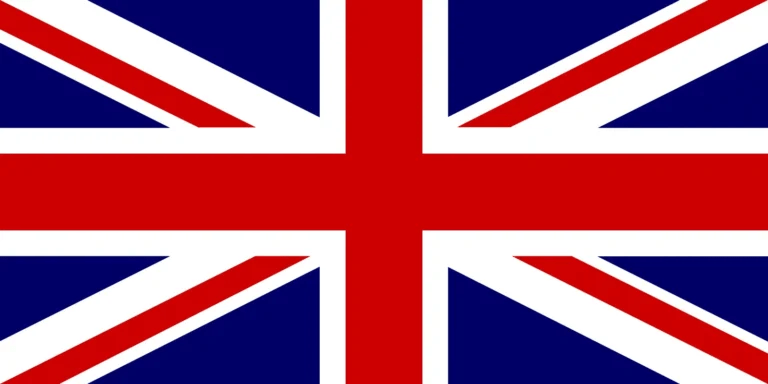
In its bid to cut the influx of migration, the United Kingdom, UK, has made some changes in the visa schemes offered to Nigerians and other foreigners.
On Monday, the UK announced that foreign health workers and caregivers would not be allowed to bring their dependants with their work visas.
The Secretary of State for the Home Department, James Cleverly disclosed this, reiterating it was part of the plan to check high migration.
In another move, the UK, Thursday, said orders have been laid in the Parliament to increase the family visa minimum income requirement.
“This will ensure people only bring dependants to the UK they can financially support,” the Home Office said.
READ ALSO: Japa: 16000 Doctors Left Nigeria In Five Years – Minister
Cleverly said in the X account of the Home Office, “Migration is too high. We have to bring the numbers down to create a fairer system for the British people.”
Considering these changes, in this article, Vanguard reveals new 10 changes that foreign nationals should know before relocating to the UK.
Some of the rules affected the family and work visas for 2024.
According to the House of Commons, “Some of the changes have come into force and most of the rest will by 11 April 2024, in accordance with two sets of changes to the Immigration Rules released on 19 February and 14 March.”
Below are the 10 latest changes implemented by Prime Minister Rishi Sunak-led UK government:
READ ALSO: Japa: 5 Ways Nigerians Can Get Jobs In Canada And Relocate
1. Social care workers are no longer permitted to bring families (that is, spouses and children) on their visas.
2. The minimum salary to be sponsored for a Skilled Worker visa is increasing, with the baseline minimum rising from £26,200 to £38,700 (but not for the Health and Care Worker visa, which includes social care, or for education workers on national pay scales).
3. Changes to the Shortage Occupation List to reduce the number of jobs where it will be possible to fund someone for a Skilled Worker visa on less than the usual minimum salary (which is the main purpose of the list).
4. The minimum income normally required to sponsor someone for a spouse/partner visa is rising in stages from £18,600 per year to £29,000 and ultimately around £38,700.
5. A review of the Graduate visa, a two-year unsponsored work permit for overseas graduates of British universities.
READ ALSO: Japa Documents: Edo Police Arrest Travel Agent Who Dupes Woman N11m
6. The ban on newly arriving care workers bringing immediate family has been in place since 11 March 2024.
7. The Skilled Worker minimum salary increases will happen on 4 April 2024.
8. An interim Immigration Salary List, replacing the Shortage Occupation List, will also come in on 4 April 2024; the list will be reviewed later.
9. The spouse/partner visa minimum income will first increase to £29,000 on 11 April 2024; to around £34,500 at an unspecified time later in 2024; and finally to around £38,700 “by early 2025”.
10. The review of the Graduate visa has begun, with the Home Secretary asking for a report by 14 May 2024.



Headline
How Our Airstrikes Stopped Christmas Attacks In Nigeria — US Lawmaker
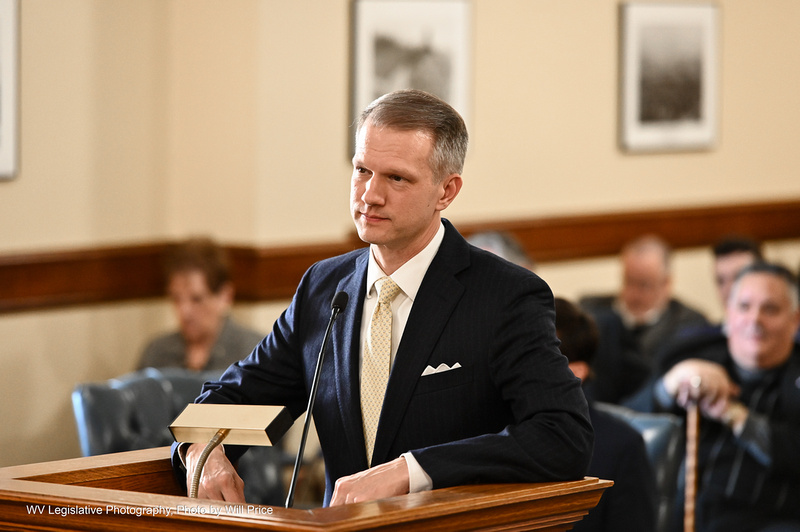
Riley Moore, a member of the United States House of Representatives from West Virginia’s 2nd District, has linked the absence of Christmas attacks in Nigeria this year to US military airstrikes carried out against Islamist militants on Christmas Day.
In a post on his official X account on Saturday, Moore contrasted the situation with the past two Christmas seasons, during which he claimed Christians were killed in attacks across parts of Nigeria.
The lawmaker noted that this year’s response targeted extremist groups instead of marking another period of violence.
READ ALSO:Rep Moore Confirms 12 Tomahawk Missiles Launched In Sokoto
He added that US forces acted decisively against militants in coordination with the Nigerian government.
“For the past two Christmases, Christians have been murdered in Nigeria. This year, thanks to @POTUS, Radical Islamic Terrorists were on the receiving end of 12 Tomahawk missiles as a present.
“The successful strikes on ISIS, in coordination with the Nigerian government, are just the first step to secure the country and end the slaughter of our brothers and sisters in Christ,” Moore wrote.
US President Donald Trump said on Thursday that American forces had conducted deadly strikes against Islamic State terrorists in north-western Nigeria.
Trump, who spoke via his Truth Social platform, warned that more attacks would follow if the militants continued killing Christians, adding that the Department of War executed numerous “perfect strikes.”
Headline
U.S. Lawmaker Reacts To Nigeria, U.S. Airstrikes
United States Congressman, Riley Moore, has stated that President Donald Trump is determined to put an end to the killing of Christians in Nigeria, warning that further action may follow if the violence persists.
Moore made the statement on Friday via his official X handle.
According to the lawmaker, the strike represents the first step in addressing what he described as the ongoing slaughter of Christians and the broader security crisis affecting Nigerians across religious and ethnic lines.
READ ALSO:US Dept Of War Shares Video Of Air Strikes In Nigeria
“President Trump has been clear that the killing of Christians in Nigeria must end,” he said.
He that the administration’s resolve on the matter should not be underestimated.
“As I stated at the outset: Do not test President Trump‘s resolved in this matter.
READ ALSO:JUST IN: US Forces Bomb Terrorists Camps In Nigeria
“Tonight’s strike in coordination with the Nigerian government is just the first step to ending the slaughter of Christians and the security crisis affecting all Nigerians,” he said.
He stressed that the operation signals a stronger stance by the United States in support of Nigeria’s efforts to tackle terrorism and violent extremism, noting that further measures could be taken if the situation does not improve.
Headline
US Dept Of War Shares Video Of Air Strikes In Nigeria
A video footage of the US military air strikes in Nigeria has emerged.
The video was released by the US Department of War following its air strikes against terrorists in Sokoto.
Earlier, the US secretary of War, Pete Hegseth had confirmed that military air strikes hit terrorists in Nigerians, saying it was deadly.
Later on, the US. African Command, confirmed that it conducted the attacks described as very deadly by President Donald Trump.
Trump said he was only keeping the promise he made earlier last month to strike the terrorists he believes are killing innocent Christians.
READ ALSO:JUST IN: US Forces Bomb Terrorists Camps In Nigeria
Although described as powerful and deadly, the casualty caused by the attack is yet to be released.
Explaining further, security expert, Brant Philip, said the strikes may have been launched “from the USS Paul Ignatius, using a Tomahawk missile.”
The Nigerian government through its ministry of foreign affairs has also confirmed that the strikes were successful.
Watch video here

 News4 days ago
JUST IN: Kano Lawmaker, Sarki Aliyu Daneji, Dies Hours After Colleague’s Passing
- News5 days ago
FULL LIST: Churches That Don’t Celebrate Christmas
- Headline3 days ago
JUST IN: US Forces Bomb Terrorists Camps In Nigeria
- News3 days ago
Okpebholo Slams ₦25bn Libel Suit On Edo PDP Chairman
- Headline3 days ago
US Dept Of War Shares Video Of Air Strikes In Nigeria
- Entertainment4 days ago
AFCON 2025: Davido Wins $96,000 After Super Eagles Beat Tanzania
- News5 days ago
OPINION: The Day Friendship Died
- News5 days ago
7 Health Risks Of Owning A Cat
- News4 days ago
Sheikh Gummi Sues Two Over Alleged False Facebook Publication
- Headline4 days ago
Coup: Guinea-Bissau Junta Releases Six Held Opposition Politicians


