
Headline
Japa: Shortage Of Bricklayers, Roofers, Carpenters Hits UK

The United Kingdom, UK is grappling with a shortage of bricklayers and other construction workers, causing prolonged delays for homeowners seeking building services.
Since 2021, a staggering 415,000 people have experienced over a year-long wait to secure a builder, according to a national construction audit by Fix Radio.
The shortage extends beyond builders, with 301,000 households waiting a year for plumbers and heating engineers, 294,000 for roofers, and 274,000 for carpenters.
On average, the wait for a bricklayer over the past three years has exceeded three months, while landscapers, painters, and decorators have left customers waiting for two and a half months, per report from Daily Mail UK.
Industry experts highlight the severe impact of this skills shortage on major projects, including delays in completing the Co-op Live venue in Manchester.
READ ALSO: Presidency, Obi Clash Over New Presidential Jet
To meet rising demand, an additional 225,000 skilled workers are to be needed by 2027 with economic repercussions significant as the UK is projected to miss out on £98 billion of growth by 2030 due to the skills gap.
The ageing workforce exacerbates the issue, with a fifth of construction workers now over 50 and a third planning to retire by 2030.
The Construction Industry Training Board’s Construction Skills Network estimates nearly one million tradespeople will retire in the next decade.
While migrant labour has somewhat mitigated the shortages, there is an urgent need to train more British workers.
READ ALSO: Wike Should Remain In Abuja, Leave Fubara, Rivers Alone – Clark
Last year, bricklayers, plasterers, roofers, and carpenters were added to the Home Office’s shortage occupation list to address the deficit.
UK government initiatives aim to alleviate the problem, including cracking down on non-vocational university degrees and funding 100,000 apprenticeships. Both Labour and Conservative parties have focused on construction in their General Election campaigns, with Labour proposing new towns and Rishi Sunak promising to build hundreds of thousands of homes in major cities.
Clive Holland of Fix Radio emphasized the critical need for more builders, warning, “If political parties, irrespective of their stripe or colour, honestly believe they can address the housing crisis without having the serious conversation of addressing the skills deficit, we’re heading into a very dangerous position.”
A Fix Radio survey revealed that two-thirds of Britons felt insufficiently encouraged to pursue trades in school, and 18% of parents discouraged their children from entering the construction industry due to perceived low earnings.



Headline
Russia Deploys Navy To Guard Venezuelan Oil Tanker Chased By US In Atlantic
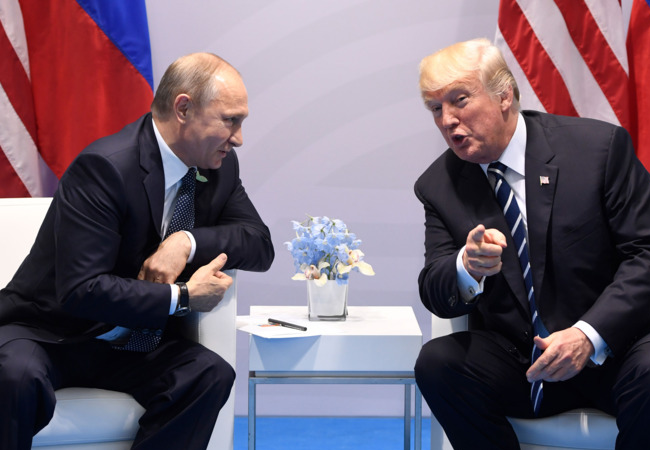
Russia has deployed naval assets to escort a sanctioned oil tanker across the Atlantic following reported moves by the United States to seize the vessel.
US forces were said to be preparing to board the ship, which has a history of transporting Venezuelan crude oil and was last believed to be sailing between Scotland and Iceland.
CBS News reported that Russia stepped in to protect the tanker, raising the prospect of a direct confrontation between the two powers at sea.
READ ALSO:Russia Calls up 135,000 Military Personnel
By sending naval ships into the North Atlantic, Russian President Vladimir Putin is signalling to United States President Donald Trump that any US action would carry consequences, coming after the US president threatened that he might use the military to seize Greenland.
The tanker, currently empty, previously operated under the name Bella 1. Last month, the US Coast Guard attempted to board it in the Caribbean with a warrant over alleged breaches of US sanctions and claims that it had shipped Iranian oil.
The vessel later changed course, renamed itself Marinera and reportedly reflagged from Guyana to Russia.
READ ALSO:Venezuela Frees Eight Opposition Leaders
Trump last month said he had ordered a ‘blockade’ of sanctioned oil tankers entering and leaving Venezuela, a policy the government in Caracas branded ‘theft’.
Ahead of the US seizure of ousted Venezuelan leader Nicolás Maduro on Saturday, Trump accused the country’s government of using ships to smuggle drugs into the United States.
Two US officials told CBS News on Tuesday that American forces were planning to board the Marinera, adding that Washington would prefer to seize the tanker rather than sink it.
Russia’s Foreign Ministry said it expects Western countries to respect principles of freedom of navigation.
(Daily Mail News)
Headline
UK Introduces Powers To Seize Phones, SIM Cards From Illegal Migrants
The United Kingdom has rolled out expanded enforcement powers allowing authorities to confiscate mobile phones and SIM cards from migrants who enter the country illegally.
The new measures, which do not require an arrest, came into force on Monday at the Manston migrant processing centre in Kent and represent a significant tightening of border controls.
According to the Home Office, the powers are intended to support intelligence-gathering operations aimed at disrupting criminal networks that organise and profit from dangerous Channel crossings.
Officials at the centre are equipped with technology that enables them to extract and analyse data from seized devices, a move the government says will help track and dismantle smuggling rings.
READ ALSO:Russia-Ukraine War: Pope Leo Calls For Global Christmas Truce
Under the revised rules, migrants are permitted to be asked to remove outer garments if there is suspicion that phones are being concealed.
In certain circumstances, officers may also check mouths for hidden SIM cards or small electronic items.
The National Crime Agency said information recovered from devices could accelerate investigations and improve the effectiveness of action against organised crime groups.
Border Security Minister Alex Norris said the policy was necessary to regain control of the UK’s borders and confront human trafficking operations.
“We are committed to restoring order and tackling the people-smuggling gangs behind this lethal trade,” Norris said.
READ ALSO:
“These stronger laws give authorities the tools to disrupt, intercept and dismantle these networks more quickly and effectively,” he added.
The legislation also introduces tougher criminal penalties linked to illegal crossings.
Individuals found storing or supplying boat engines for unauthorised journeys could face prison terms of up to 14 years, while those involved in researching equipment or plotting routes may be liable to sentences of up to five years.
Government officials stressed that the powers would be exercised with discretion.
READ ALSO:UK Unveils Record-breaking Bid For 2035 Women’s World Cup
The Minister for Migration and Citizenship, Mike Tapp, said devices could be returned depending on individual circumstances and the relevance of the information obtained.
“If a device may contain intelligence that helps combat smuggling, it is right that it can be seized,” Tapp said, adding that the approach would not undermine compassion toward migrants.
However, humanitarian organisations have expressed unease about the impact of the policy.
The Refugee Council warned that mobile phones often serve as vital lifelines for migrants, enabling contact with family members and access to support services, and urged authorities to ensure the measures are applied in a proportionate and humane manner.
Headline
PROPHECY: Primate Ayodele Reveals Trump’s Plot Against Tinubu
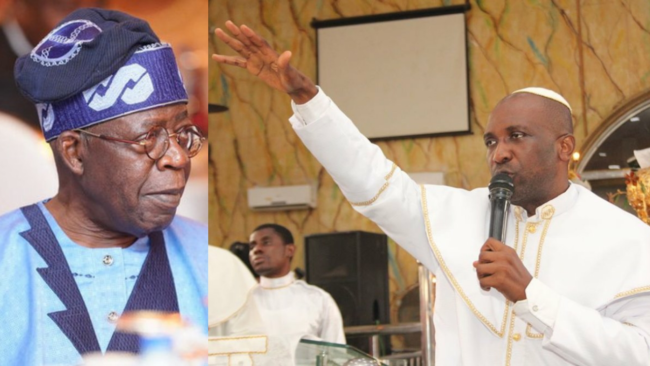
Primate Ayodele and Tinubu, Tinubu’s rice palliative, Primate Ayodele to Tinubu
Tinubu and Primate Ayodele
The leader of INRI Evangelical Spiritual Church, Primate Elijah Ayodele, has warned President Bola Ahmed Tinubu that US President Donald Trump is after removing him from office.
This comes amid the removal of Vanezuelan President Nicolás Maduro by Donald Trump.
Primate Ayodele, in a statement signed Sunday by his media aide, Osho Oluwatosin, made it known that the US President has ‘caged’ Tinubu and his plan is to ultimately see that he is removed from office.
READ ALSO:Primate Ayodele Releases Fresh Prophecies On FIRS, FAAN, Others
He stated that the support the US is giving Nigeria to fight insecurity isn’t for nothing other than ways to penetrate the government.
“Trump is adamant to remove President Tinubu. America will be part of those who will be against Tinubu. You may not see it as I am being shown, and that’s why I am saying Trump is after removing Tinubu, that’s it and nothing more.”
The cleric made it known that, despite US’ help, Nigeria will continue to fight insecurity, but the ulterior motive of the US President isn’t about ending insecurity in the country.
READ ALSO:Guber Polls: Primate Ayodele Releases Prophecies On Anambra, Ekiti, Osun
“Nigeria will still continue to fight insecurity, but either they fight it or not, Trump is focused on removing Tinubu from office, but he doesn’t know it yet. He isn’t after ending insecurity in the country, he knows what he wants and won’t stop at nothing towards achieving it.”
He urged the president to take a bold political step to overcome the plans of the US president; otherwise, he will end up succeeding with his plans.
“Tinubu must take a very bold step to overcome the plans of Trump, because he has caged him already. Tinubu must not relent his efforts and bring up strategies for him to succeed otherwise, he would be at the losing end while his defeat would be celebrated,” he added.

 News3 days ago
What I Saw After A Lady Undressed Herself — Pastor Adeboye
- Headline3 days ago
PROPHECY: Primate Ayodele Reveals Trump’s Plot Against Tinubu
- Metro3 days ago
Armed Robbers Shot PoS Operator To Death In Edo
- Metro3 days ago
Joint Task Force Kills 23 Bandits Fleeing Kano After Attacks
- Politics3 days ago
2027: Rivers APC Pledges To Follow Wike’s Instructions
- Metro3 days ago
Gunmen Demand N200m Ransom For Kidnapped Brothers In Edo
- Metro2 days ago
AAU Disowns Students Over Protest
- Entertainment3 days ago
PHOTOS: Anthony Joshua Makes First Social Media Post After Surviving Deadly Car Crash
- Politics3 days ago
Why Kano Governor Postponed Formal Defection To APC
- Metro2 days ago
Edo: Suspected Kidnappers Kill Victim, Hold On To Elder Brother


