
News
New Book On JP Clark Presented At UNILAG
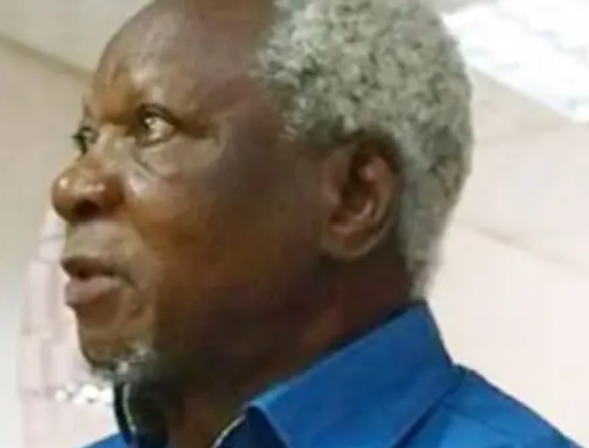
In conjunction with the Department of English, University of Lagos, the Clark family presented a new book chronicling the life and times of Nigeria’s foremost literary icon, Professor Emeritus, John Pepper Clark, at the Rahaman Adisa Bello Lecture Theatre, last Tuesday, April 18, 2023.
The book titled, “Connecting the Local and the Global Across Literary Genres: Emerging Perspectives on J.P. Clark and His Works”, is edited by Professors Hope Eghagha and Solomon Azumutana, both of the University of Lagos, UNILAG.
Published by Mosuro Publishers (2022), Connecting the Local and the Global Across Literary Genres: Emerging Perspectives on J.P. Clark and His Works features erudite scholars such as Hope Eghagha (UNILAG), Lilly Chimuanya (Covenant University), Olufemi Adeosun (Ekiti State University), Destiny Idegbekwe (University of Africa, Bayelsa), Promise Adiele (Mountain Top University), Omolara Owoeye (Ekiti State University, Ado-Ekiti), Peter Omoko (University of Africa, Toru-Orua, Bayelsa), Rosetta Nnsi (Nigerian Film Institute, Jos) and Solomon Azumurana (UNILAG) as contributors.
READ ALSO: Soyinka, Other Scholars Headline JP Clark’s First Memorial Literary Feast At UNILAG
The seminal material encapsulates fifteen chapters of critical essays on phenomenal works of the legend which include the following: “The Wives’ Revolt”, “Ozidi”, “All for Oil”, “Song of a Goat”, “Casualties”, “Masquerade”, “Streamside Exchange”, “Night Rain” and “Home from Hiroshima”. The 339-page book also features exploratory essays on other prolific writers like Ahmed Yerima and Femi Osofisan whose works are interrogated by Rosetta Nnsi under the subtitle, “Folklore in J. P. Clark’s Masquerade, Femi Osofisan’s Many Colours Make the Thunder King and Ahmed Yerima’s Hard Ground”.
The auspicious occasion chaired by Architect Charles Majoroh was well attended by members of the academia, communication executives, reps of Government College, Ugheli- Clark’s Alma mater and a host of others, including a representative of the Chief Host, Vice Chancellor Prof. Folasade Tolulope Ogunsola who was represented by the Deputy Vice-Chancellor (Development Services), Prof. Victoria Atsenuwa Ayodele, Dean, Department of English, Prof Funke Adeboye, Prof. Yemi Akinyele, Arts curator and consultant, Moses Ohiomokhare, widow of the late sage, Prof. Ebun Clark, their son, Elaye and daughter, Ema Clark.
The book reviewer, Prof. Patrick Oloko, recalled his last encounter with the late sage, saying: “A year or so before he died, I was with Prof. Clark in his office at the JP Clark Centre. I informed him that Prof Eghagha and I were thinking of introducing courses-in his works, at the post graduate and graduate levels. He gave me that his trademark quisical look and then replied, ‘So, you are still thinking? Well, whatever you want to do, please, do it quickly because I don’t have much time.’ I was expecting a congratulatory pat on the back. You know that typical, but very very meaningful Clarkian arrogance that I have heard so much about. Later on, I reflected on his words again. I told myself that a writer who donated an entire library holding that he had spent his entire life time building to an institution where he and his wife spent their most productive years of a human life circle actually deserves more than mere ‘thinking about’. He deserves action. I’m happy to announce that the undergraduate level course is going the process approval for literature for the English Department. The book being presented today is part of the action being taken.”
READ ALSO: FULL LIST: Tems, Other 2023 Grammy Awards Winners
Speaking further on the book project and the persona, Prof. Oloko said: “In my reckoning, it should be an important material for the course. 11 of the 15 chapters of the volume bring new conversations that are centered around specific works of the famous author. Unlike others, I refuse to believe that he wasn’t given much attention. He was very popular and controversial. Any writer who is not controversial is going to be simply shut behind the room and never listened to. J.P. Clark was not the kind of person you could ignore.”
The reviewer explained that the other four chapters point to new directions that follow up the volume’s chart. “The first direction is to give more content to the understanding of Clark through his extra-literary engagements, ” he noted, revealing that Chapter 1 started it admirably, focusing on “the biography of Clark- the controversial one and the authorized one as well as his very definitive memoir, “America, Their America.” The second direction puts Clark’s works in dialogue with his contemporaries and others after his generation. Chapters 7 and 13 have started the conversation, resituating Clark within the universal continuum of theatre practice without sacrificing his humanity and national consciousness. The chart continues brilliantly through the entry to Chapter 4. So, the authors of this volume are collectively kick-starting a project of bringing Clark in a broader view after he joined the ancestral realm.
They remind us that writers attain an enduring immortality when they are no longer alive. Part of the enduring value of this book lies in that very pragmatic word, ’emerging’ which is somewhere in the book’s rather long title.”
READ ALSO: POEM: My Lord, Tell Me Where To Keep Your Bribe? By Niyi Osundare
While speaking on behalf of the editors, Prof. Hope Eghagha also went down memory lane, saying: “In 2018, we hosted a conference, the ‘JP Clark Conference’. At the opening ceremony was the Nobel laureate, Prof. Wole Soyinka who gave the keynote. At the end of it, Prof. Clark said to me: ‘Hope, we’ve broken the jinx. That was a very good good attempt to host a JP Clark Conference.’ I didn’t know what to do. He was excited. I didn’t know that that was a “good bye conference. The first two flopped for some reasons. So, he was excited. Of course, there was no way we could have known that that was a ‘Good bye conference’ because shortly after he joined his ancestors. Why did we decide to host the conference? We thought that not enough attention had been given to his work. Most of us in my generation were exposed to his works in secondary schools. “Night Rain”, for instance, long before became fashionable for environmentalists to make an issue out of the degradation in the Niger Delta, Clark captured it in his book.
He was one of the first generation of Nigerian, indeed, African writers recognized as literary giants of our time. But, why was it that his works were not given enough attention? Was it that people focused more on his personality than his written works? Last year, with the support of his family, I’ll like to pay tributes to Prof. (Mrs) Ebun Clark who has gone out of her way to keep her husband’s legacy, standing for what he stood for and supported this our first book. We hope that we have documented the first phase of our research.” Moreover, Eghagha pointed out that Prof. Clark had an attitude towards his work as “He used to say: Let the work speak for itself’ and didn’t believe in propaganda. He didn’t believe in courting or being nice to the press.”

News
Expert Identify Foods That Increase Hypertension Medication’s Effectiveness
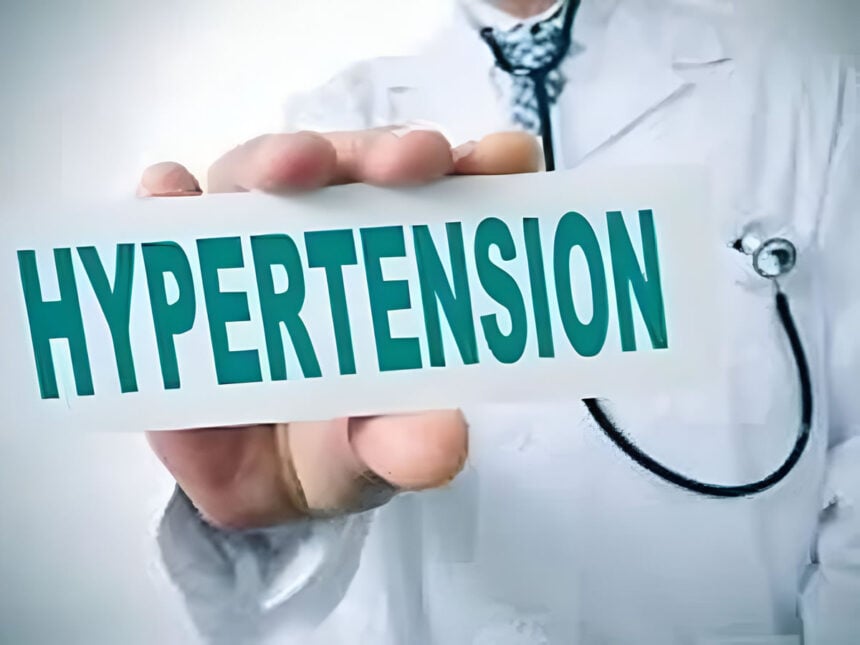
Hypertension remains one of the leading causes of premature death worldwide, contributing significantly to heart disease, stroke, and kidney failure. Despite the availability of effective antihypertensive drugs, long-term control of high blood pressure is often challenging because of drug resistance, side effects, and poor adherence.
This has fueled growing scientific interest in complementary strategies that can enhance drug efficacy while minimising toxicity. One promising approach is the combination of conventional antihypertensive medications with herbs and spices in many kitchens.
Recent evidence suggests that augmenting modern antihypertensive drugs with foods rich in p-coumaric acid, a naturally occurring phenolic acid, may offer a novel and effective strategy for blood pressure control.
Phenolic compounds, commonly found in fruits, vegetables, whole grains, and legumes, are known for their antioxidant, anti-inflammatory, and blood vessel–protective properties.
READ ALSO:Russia, China Afraid Of US Under My Administration — Trump
In a study, researchers investigated the combined effects of lisinopril, a widely used antihypertensive drugs and p-coumaric acid on hypertension.
They reported in the Comparative Clinical Pathology that p-coumaric acid enhance the antihypertensive action of lisinopril, potentially allowing for improved blood pressure control without increasing drug dosage.
The study used an established animal model in which hypertension was induced in rats through oral administration of L-NAME, a compound known to suppress nitric oxide production and raise blood pressure.
Following the induction of hypertension, the animals were treated for 14 days with p-coumaric acid (at two different doses), lisinopril alone, or a combination of both.
READ ALSO:Man Suffers Hypertension As Daughter, Grand-daughter Disappear For 10 Years
Untreated hypertensive rats showed significantly elevated activities of key enzymes linked to high blood pressure such as ACE, arginase, acetylcholinesterase, and phosphodiesterase-5 along with increased lipid peroxidation, an indicator of oxidative stress. At the same time, levels of nitric oxide, a critical molecule for blood vessel relaxation, were markedly reduced.
By contrast, rats treated with a combination of lisinopril and p-coumaric acid experienced notable improvements. Blood pressure was better controlled; harmful enzyme activities were reduced, oxidative stress declined, and nitric oxide levels increased. These improvements were mirrored in the tissues the heart compared with untreated hypertensive animals.
They said that the findings suggest that p-coumaric acid may enhance the antihypertensive action of lisinopril, potentially allowing for improved blood pressure control without increasing drug dosage.
This drug–food interaction model is particularly important in the circumstance of long-term hypertension management. Many patients rely on lifelong medication, and strategies that can improve treatment outcomes while reducing side effects are highly desirable.
READ ALSO:Delta Unveils Free Hypertension, Diabetes Screening
The study also reinforces the growing recognition that diet is not merely supportive but can be biologically active in disease control.
The use of medicinal plants and plant-based therapies in the management of hypertension is deeply rooted in traditional medicine across many cultures. While such practices have often existed outside conventional healthcare systems, modern scientific research is now providing evidence-based explanations for their effectiveness.
While these findings are based on animal studies and cannot yet be directly translated into clinical recommendations for humans, they open the door to future research on dietary strategies that can safely complement antihypertensive drugs.
READ ALSO:Why West African Troops Overturned Benin’s Coup But Watched Others Pass
Further clinical studies are needed to determine appropriate dosages, safety profiles, and real-world effectiveness.
In the fight against hypertension, the future may lie not only in new drugs, but also in smarter combinations, where medicine and nutrition work together to deliver better, safer outcomes for patients.
Such nutrition to help maintain healthy blood pressure includes garlic, potatoes, walnuts,tomato and tomato products, legumes and citrus fruits (grapefruits and oranges).
(TRIBUNE)
News
Researchers Develop Treatment For Advanced Prostate Cancer
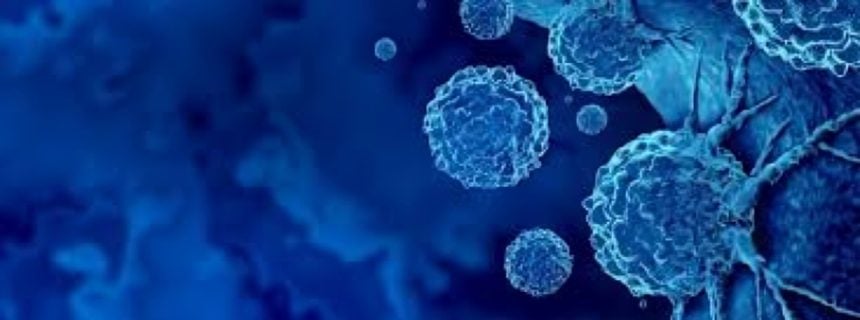
Researchers at Case Western Reserve University have developed a treatment for advanced prostate cancer that could eliminate a side effect so debilitating that patients often refuse the life-saving therapy.
The innovative approach, according to the researchers, targets prostate cancer cells just as successfully as existing treatments while causing significantly less harm to salivary glands.
For many people with prostate cancer, it relieves the extreme dry mouth that makes speaking, chewing, and swallowing nearly impossible.
According to the findings published in Molecular Imaging and Biology, the treatment targets PSMA (Prostate-Specific Membrane Antigen), a protein present in high numbers on prostate cancer cells.
READ ALSO:Edo Deputy Gov Tasks Lab Scientists On Research, Vaccine Production
Radioligand therapy (RTL) attaches radioactive material to a targeting molecule that acts like a GPS system, guiding the radiation directly to cancer cells while avoiding healthy tissue.
Current PSMA-targeted radioligand therapy is one of the most promising precision cancer treatments for end-stage prostate cancer because it acts as a “smart bomb” that locates and destroys cancer cells.
The downside, however, is that this therapy often causes severe salivary gland damage, resulting in extreme dry mouth that can be so debilitating that patients choose to stop treatment that might save their lives.
James P. Basilion, professor in the Department of Biomedical Engineering at Case Western Reserve and co-leader of the Cancer Imaging Program at the Case Comprehensive Cancer Centre (Case CCC), explained that various strategies to mitigate this side effect have been attempted before, with limited success.
READ ALSO:Nigerian Researcher Develops Wireless Charging Tech For Electric Vehicles
According to the study, PSMA-1-DOTA has a four-fold greater affinity for prostate cancer cells than current therapies.
In addition to having the same tumour-fighting effectiveness as the current standard radioligand therapy, it also significantly reduced damage to the tear and salivary glands, almost eliminating the risk of dry mouth.
This discovery has the potential to significantly alter the treatment of prostate cancer by making PSMA-targeted therapy an earlier intervention rather than a “last resort.”
READ ALSO:Research: Experts Seek Improved Funding Of Monotechnic, Polytechnic Libraries
The research included comprehensive testing on mouse models and in a human patient with metastatic prostate cancer at the Technical University of Munich in Germany.
The patient study confirmed the lab findings, showing the new treatment avoided the salivary glands (potentially preventing dry mouth) while still finding and attacking prostate cancer cells.
The researchers, from now on, are preparing for clinical trials late this year on about 12 prostate patients to validate the promising results and establish the most effective dosing procedures.
(TRIBUNE)
News
Norway ‘Foolishly’ Chose Not To Award Me Nobel Peace Prize Despite Ending Eight Wars — Trump
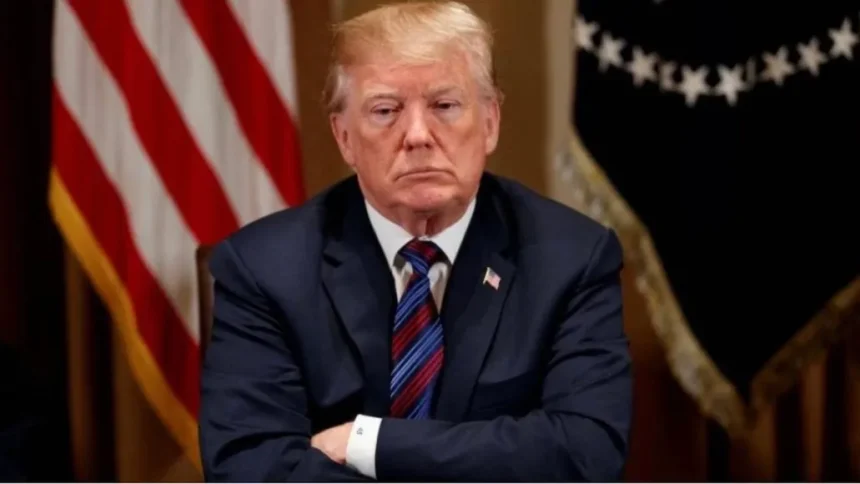
United States President, Donald Trump, has criticised Norway for not awarding him the Nobel Peace Prize, insisting that his actions on global security and diplomacy merited the honour.
In a post on his Truth Social on Wednesday, Trump said his administration compelled NATO members to significantly increase their defence spending, arguing that many countries were previously failing to meet their financial obligations while the United States bore the burden.
He maintained that his intervention pushed allies to raise defence contributions to five per cent of their gross domestic product, a move he described as previously thought impossible.
The president also claimed that his involvement prevented Russia from fully taking over Ukraine, adding that his absence from global affairs would have emboldened Moscow.
READ ALSO:US Senator Proposes Bill To End Dual Citizenship
He further asserted that he single-handedly brought an end to eight wars, a record he said was overlooked by the Nobel committee in Norway, which is a NATO member.
Trump emphasised that his priority was saving lives rather than receiving awards, stating that millions of lives were preserved through his actions.
He warned that without the United States, NATO would command little fear or respect from rival powers such as Russia and China, and expressed doubt that the alliance would come to America’s aid in a moment of need.
Reaffirming his commitment to NATO, Trump said the United States would continue to support the alliance even if that support was not reciprocated.
READ ALSO:Insecurity: US Congressman Riley Moore Reveals Trump’s Mission In Nigeria
He also credited his leadership with rebuilding the US military during his first term and sustaining its strength, describing the United States as the only nation that Russia and China truly fear and respect.
He wrote, “Remember, for all of those big NATO fans, they were at 2% GDP, and most weren’t paying their bills, UNTIL I CAME ALONG. The USA was, foolishly, paying for them! I, respectfully, got them to 5% GDP, AND THEY PAY, immediately.
“Everyone said that couldn’t be done, but it could, because, beyond all else, they are all my friends. Without my involvement, Russia would have ALL OF UKRAINE right now. Remember, also, I single-handedly ENDED 8 WARS, and Norway, a NATO Member, foolishly chose not to give me the Noble Peace Prize. But that doesn’t matter! What does matter is that I saved Millions of Lives.
“RUSSIA AND CHINA HAVE ZERO FEAR OF NATO WITHOUT THE UNITED STATES, AND I DOUBT NATO WOULD BE THERE FOR US IF WE REALLY NEEDED THEM. EVERYONE IS LUCKY THAT I REBUILT OUR MILITARY IN MY FIRST TERM, AND CONTINUE TO DO SO. We will always be there for NATO, even if they won’t be there for us. The only Nation that China and Russia fear and respect is the DJT REBUILT U.S.A. MAKE AMERICA GREAT AGAIN!!! President DJT.”

 News4 days ago
What I Saw After A Lady Undressed Herself — Pastor Adeboye
- Headline4 days ago
PROPHECY: Primate Ayodele Reveals Trump’s Plot Against Tinubu
- Metro4 days ago
Armed Robbers Shot PoS Operator To Death In Edo
- Metro3 days ago
AAU Disowns Students Over Protest
- Business3 days ago
NNPCL Reduces Fuel Price Again
- Metro3 days ago
Edo: Suspected Kidnappers Kill Victim, Hold On To Elder Brother
- Metro4 days ago
Joint Task Force Kills 23 Bandits Fleeing Kano After Attacks
- Metro3 days ago
Nine Soldiers Feared Dead In Borno IED Explosion
- Politics4 days ago
2027: Rivers APC Pledges To Follow Wike’s Instructions
- Metro4 days ago
Gunmen Demand N200m Ransom For Kidnapped Brothers In Edo


