
Business
Obaseki Faults CBN’s New Monetary Policy
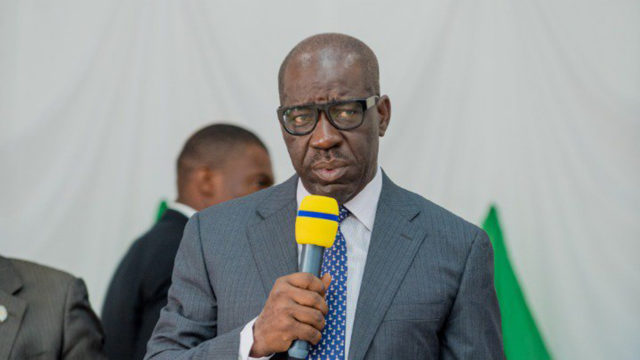
The Governor of Edo State, Godwin Obaseki, has faulted the Central Bank of Nigeria for raising the Monetary Policy Rate by 22.75 per cent.
Obaseki contended that the decision is not the answer to the ongoing economic challenges in the country.
He supported boosting local production to meet the demand for goods and services.
The governor gave this opinion in a speech as a guest speaker during the Annual Dinner of Edo Zone Bankers Committee in Benin City, the Edo State capital, as shared in a video posted on his official Twitter account on Monday.
READ ALSO: Benue: Gov Alia, APC Trade Blames Over Clash Between Supporters
He said, “I understand that the monetary rational for increasing MPR but fundamentally and fiscally, it is not going to lead to growth in our economy.
“We must focus on the fundamentals which is increasing production, making sure our citizens produce the goods and services we consume and depend less on import.
“Our economic policy and monetary policy cannot be determined by exchange rate alone. So, this whole issue of increasing the cash reserves in a bid to tighten liquidity is going to be detrimental to our economy. I understand the challenge the monetary authorities face but unfortunately you cannot plan with one hand.
READ ALSO: Obaseki Takes Steps To Tackle Price Hike In Edo, Meets, Trade Unions, Other Stakeholders
“The economy is about the fiscal and monetary policies, both must work hand in hand and when they don’t, as they don’t in Nigeria, we will have crises. So, we should focus on fiscal issues so that we can grow our economy out of the challenges we have.”
Last week, the Central Bank of Nigeria’s Monetary Policy Committee raised the benchmark interest rate by 400 basis points to 22.75%.
The CBN Governor, Olayemi Cardoso, revealed this during the announcement of the first MPC meeting of the year in Abuja on Tuesday.
Cardoso said the committee voted to adjust the asymmetric corridor around the MPR to +100 to -700 from plus 100 to -300 basis points and raised the cash reserve ratio from 32.5 per cent to 45 per cent.
READ ALSO: Obaseki Looks To Lithium Mining, EV Battery Production As New FOREX Earner
The MPR has been 18.75 per cent since the last MPC meeting between July 24 and 25, 2023.
With inflation at 29.90 per cent, Cardoso mentioned that the latest MPR adjustment is aimed at addressing the country’s inflation rate.
Obaseki added, “We should not panic too much because of foreign exchange, we must focus on how we can do things within our economy, how we can grow our economy to earn more foreign exchange. Foreign exchange is our problem, but I believe that creating jobs for young people should be more of a priority for us a people at this time.”



Business
Naira Continues Gain Against US Dollar As Nigeria’s Foreign Reserves Climb To $45.57bn
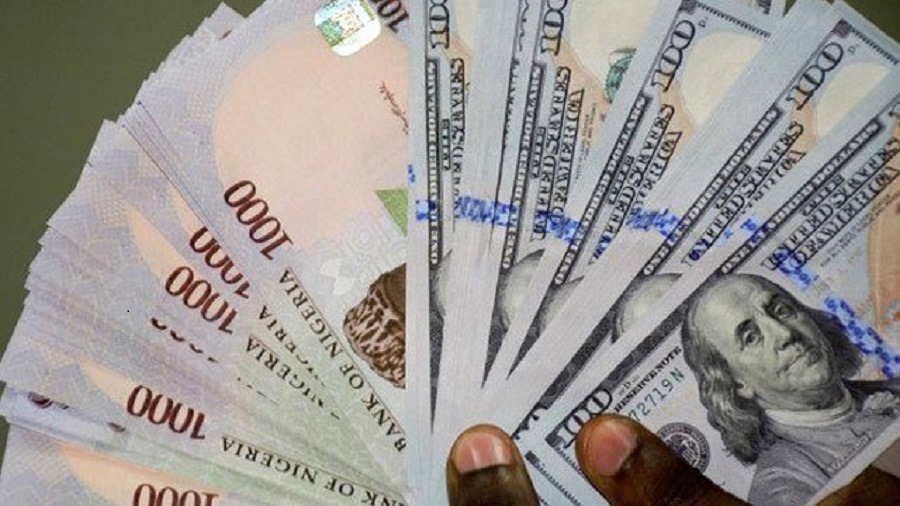
The Naira appreciated further against the United States Dollar at the official foreign exchange market, beginning the week on a good note.
Central Bank of Nigeria data showed that the Naira strengthened on Monday to N1,429.31 per dollar, up from N1,430.85 exchanged on Friday, 2 January 2026.
This means that the Naira gained N1.56 against the dollar on Monday when compared to N1,430.85 last week Friday.
READ ALSO:Naira Records Significant Appreciation Against US Dollar
At the black market, the Naira dropped by N5 to N1480 per dollar on Monday, down from N1475 traded Friday.
The development comes as the country’s external reserves rose to $45.57 billion as of Friday last week.
Business
NNPCL Reduces Fuel Price Again
The Nigerian National Petroleum Company Limited, NNPCL, has again reduced its premium motor spirit price.
In Abuja, on Monday morning, it was gathered that NNPCL retail outlets have reduced their fuel price to N815 per liter, down from N835.
This means that the NNPCL filling stations cut their price by N20.
The fresh price has been implemented at NNPCL filling stations in Wuse Zone 6 and 4 Abuja, Keffi-Abuja Road, and Kubwa Expressway.
READ ALSO:Fuel Price Cut: NNPCL GCEO Ojulari Reveals Biggest Beneficiaries
An NNPCL filling station attendant, who preferred anonymity, told DAILY POST that the new price was implemented on Sunday evening.
However, the N815 per liter is N79 higher than the N739 per liter sold at Dangote Refinery’s backed MRS filling stations nationwide.
DAILY POST recalls that NNPCL on December 19, 2025, cut its price of petrol by N80 to N835 amid a price war among players in the country’s oil downstream sector triggered by Dangote Refinery’s gantry price reduction to N699 per liter.
Business
NNPCL Announces Restoration Of Escravos-Lagos Pipeline
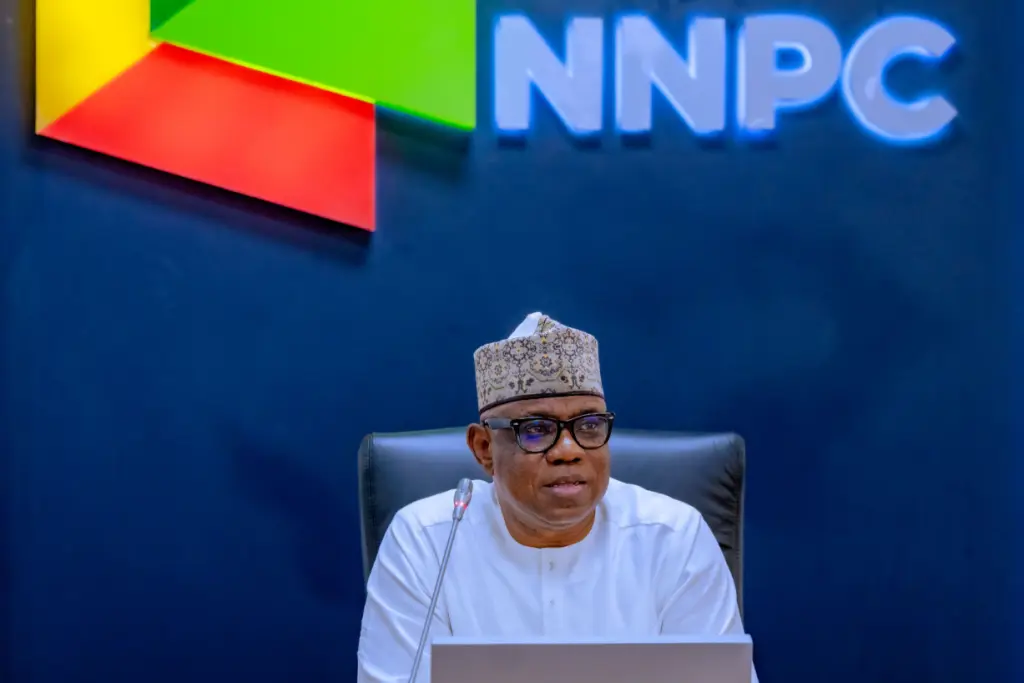
The Nigerian National Petroleum Company Limited (NNPCL) has announced the complete restoration of the Escravos-Lagos Pipeline System (ELPS) in Warri, Delta State, following the recent explosion on the asset.
The chief corporate communications officer (CCCO) of the nation’s oil company, Andy Odeh, in a statement, said that the pipeline is fully operational, reiterating the company’s resilience and commitment to energy security.
“NNPC Limited is pleased to announce the successful restoration of the Escravos-Lagos Pipeline System (ELPS) in Warri, Delta State.
READ ALSO:Fuel Price Cut: NNPCL GCEO Ojulari Reveals Biggest Beneficiaries
“Following the unexpected explosion on December 10, 2025, we immediately activated our emergency response, deployed coordinated containment measures, and worked tirelessly with multidisciplinary teams to ensure the damaged section was repaired, pressure-tested, and safely recommissioned.
“Today, the pipeline is fully operational, reaffirming our resilience and commitment to energy security. This achievement was made possible through the unwavering support of our host communities, the guidance of regulators, the vigilance of security agencies, and the dedication of our partners and staff.
“Together, we turned a challenging moment into a success story, restoring operations in record time while upholding the highest standards of safety and environmental stewardship.
“As we move forward, NNPC Limited remains steadfast in its pledge to protect our environment, safeguard our communities, and maintain the integrity and reliability of our assets. Thank you for your trust as we continue to power progress for Nigeria and beyond,” the statement read.

 News3 days ago
What I Saw After A Lady Undressed Herself — Pastor Adeboye
- Headline3 days ago
PROPHECY: Primate Ayodele Reveals Trump’s Plot Against Tinubu
- Metro3 days ago
Armed Robbers Shot PoS Operator To Death In Edo
- Metro2 days ago
AAU Disowns Students Over Protest
- Metro2 days ago
Nine Soldiers Feared Dead In Borno IED Explosion
- Metro3 days ago
Joint Task Force Kills 23 Bandits Fleeing Kano After Attacks
- Politics3 days ago
2027: Rivers APC Pledges To Follow Wike’s Instructions
- Metro2 days ago
Edo: Suspected Kidnappers Kill Victim, Hold On To Elder Brother
- Metro3 days ago
Gunmen Demand N200m Ransom For Kidnapped Brothers In Edo
- Business2 days ago
NNPCL Reduces Fuel Price Again


