
Headline
Senate Draws Battle Line With NNPCL Boss Kyari Over N12trn Spent On Refineries
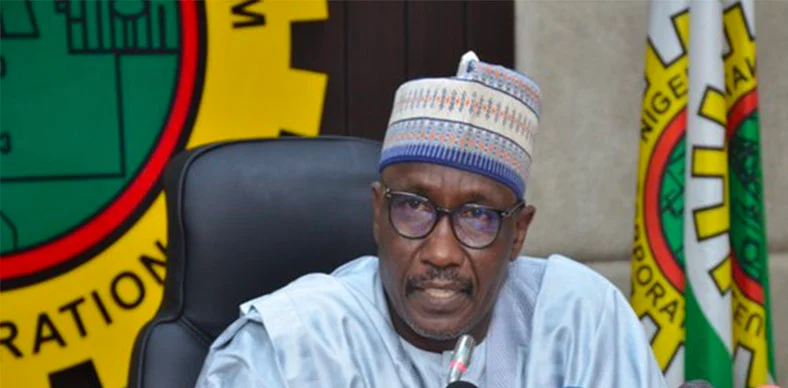
The Senate on Wednesday vowed to ensure that the Chief Executive Officer of the Nigerian National Petroleum Company Limited (NNPCL), Mele Kyari, and other top executive officers of the company are sacked and face prosecution over the N12 trillion allegedly spent on turn-around maintenance (TAM) of the nation’s comatose refineries.
The Red Chamber noted that over N12 trillion has been spent on TAM, saying it has records of over $592 million, €4.8 million and £3.4 million spent between 2010 and 2023 on TAM, and yet the refineries are not working.
The threat was made by the Senate Ad hoc Committee investigating the various TAM projects of Nigerian refineries during an interactive session with NNPCL management and other executives of the oil sector.
READ ALSO: Why I Deserved To Be Listed In Guinness World Records – President Tinubu
Some of the agencies invited, whose chief executive officers failed to turn up but sent representatives instead, and who the committee threatened to sack and jail, include NNPCL, Nigerian Midstream and Downstream Petroleum Regulatory Authority (NMDPRA), Nigerian Upstream Petroleum Regulatory Commission (NUPRC) and their subsidiaries.
The chairman of the ad hoc committee, Senator Isa Jibrin (APC, Kogi East), noted that so much has been heard about the turn-around efforts and so much has been spent on operational materials for refineries that are not working.
He avowed that they want to know the solutions to all the leakages, as there are a lot of them.
He said: “We will ask for refunds and dismissals of all the chief executives involved in the turn-around maintenance. We sent them invitations more than two weeks ago requesting documents and the documents have not been released after two weeks. So, we want the chief executives to be present.
READ ALSO: Court Orders Rivers Lawmakers To Suspend Sitting
“More worrisome is that between 2010 and 2020, the sum of N4.8 trillion was said to have been spent as operational expenses. How do you incur operational expenses that have to do with the purchase of raw materials and similar expenses on factories that are moribund? How did we come up with operational expenses? We need to know.
“These are issues that Nigerians want to know about; they want solutions to all these leakages. We know they are leakages. Whether you accept it [or not], there are leakages, and they are all forms of compromise within your various establishments.
“We know and we will not hesitate to escalate it to the highest possible level, including the possibility of refund and outright dismissal of some of the heads of some of these agencies and possibly going to jail,” he stressed.
Also speaking, Senator Yahaya Abdullahi (PDP, Kebbi South) said the officials who appeared before the committee to represent their bosses should be sent back to tell their chief executives that they must appear in person.
Senator Sumaila Kawu (NNPP, Kano South) said: “We are not in the Senate for personal functions. We are representing the entire legislature. We are in a very serious business. We are independent. We can go to any length to defend our people.”
READ ALSO: How Warders Help Boko Haram Plan Operations, Move Money From Prison – Defence Chief Reveals
He said to the representatives who appeared for their chief executives: “We will suspend this interaction until you are ready. We have 100 ways in which we can achieve our legislative work. We just wanted to give you a fair hearing and you must respect the Constitution.”
Senator Danjuma Goje (APC, Gombe Central) added that the committee deals with heads or chief executives rather than their representatives.
“We will have to agree on new dates for the submission of the documents, both hard copies and soft copies, and a date for a meeting where the chief executives must appear,” he said.
The agencies were given until Tuesday to submit the documents before the meeting with their chief executives.



Headline
U.S. Lawmaker Reacts To Nigeria, U.S. Airstrikes
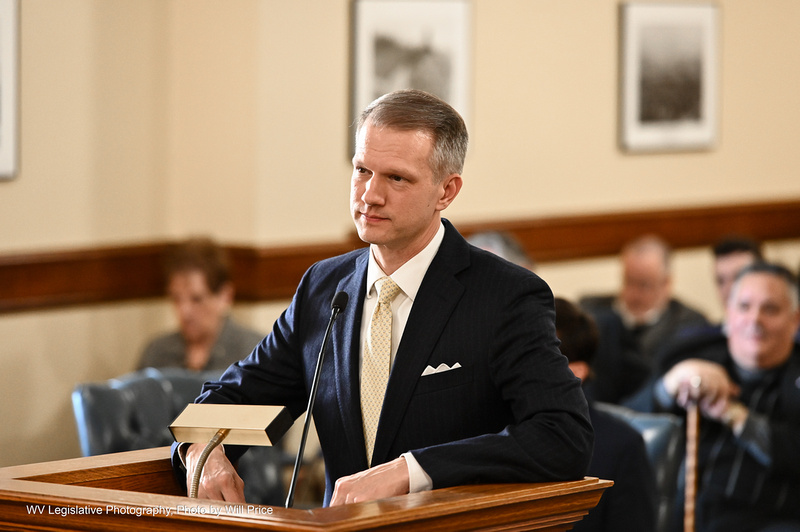
United States Congressman, Riley Moore, has stated that President Donald Trump is determined to put an end to the killing of Christians in Nigeria, warning that further action may follow if the violence persists.
Moore made the statement on Friday via his official X handle.
According to the lawmaker, the strike represents the first step in addressing what he described as the ongoing slaughter of Christians and the broader security crisis affecting Nigerians across religious and ethnic lines.
READ ALSO:US Dept Of War Shares Video Of Air Strikes In Nigeria
“President Trump has been clear that the killing of Christians in Nigeria must end,” he said.
He that the administration’s resolve on the matter should not be underestimated.
“As I stated at the outset: Do not test President Trump‘s resolved in this matter.
READ ALSO:JUST IN: US Forces Bomb Terrorists Camps In Nigeria
“Tonight’s strike in coordination with the Nigerian government is just the first step to ending the slaughter of Christians and the security crisis affecting all Nigerians,” he said.
He stressed that the operation signals a stronger stance by the United States in support of Nigeria’s efforts to tackle terrorism and violent extremism, noting that further measures could be taken if the situation does not improve.
Headline
US Dept Of War Shares Video Of Air Strikes In Nigeria
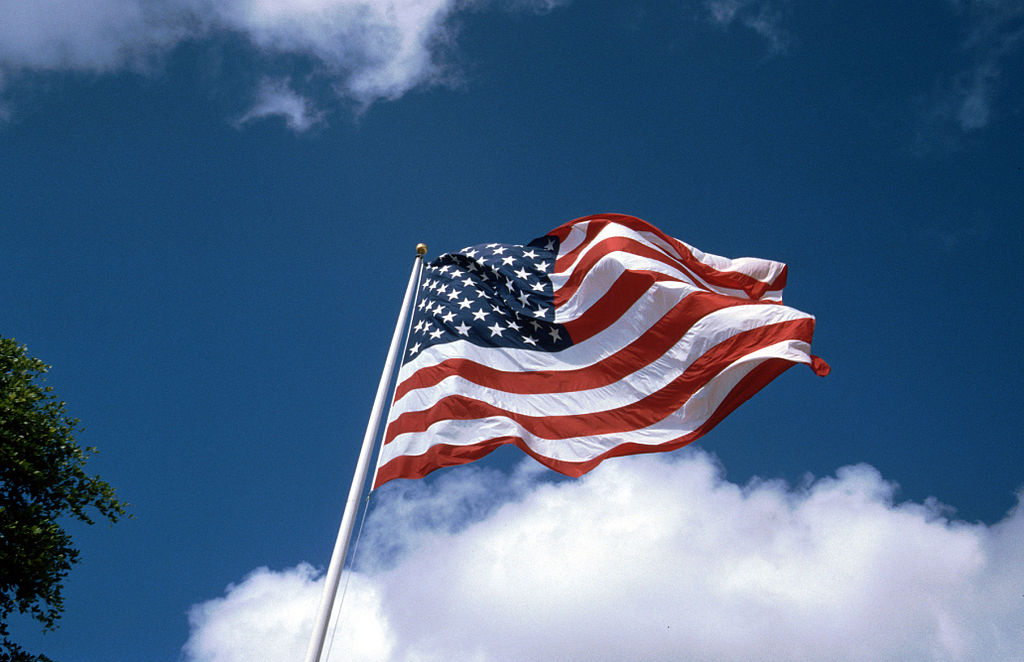
A video footage of the US military air strikes in Nigeria has emerged.
The video was released by the US Department of War following its air strikes against terrorists in Sokoto.
Earlier, the US secretary of War, Pete Hegseth had confirmed that military air strikes hit terrorists in Nigerians, saying it was deadly.
Later on, the US. African Command, confirmed that it conducted the attacks described as very deadly by President Donald Trump.
Trump said he was only keeping the promise he made earlier last month to strike the terrorists he believes are killing innocent Christians.
READ ALSO:JUST IN: US Forces Bomb Terrorists Camps In Nigeria
Although described as powerful and deadly, the casualty caused by the attack is yet to be released.
Explaining further, security expert, Brant Philip, said the strikes may have been launched “from the USS Paul Ignatius, using a Tomahawk missile.”
The Nigerian government through its ministry of foreign affairs has also confirmed that the strikes were successful.
Watch video here
Headline
JUST IN: US Forces Bomb Terrorists Camps In Nigeria
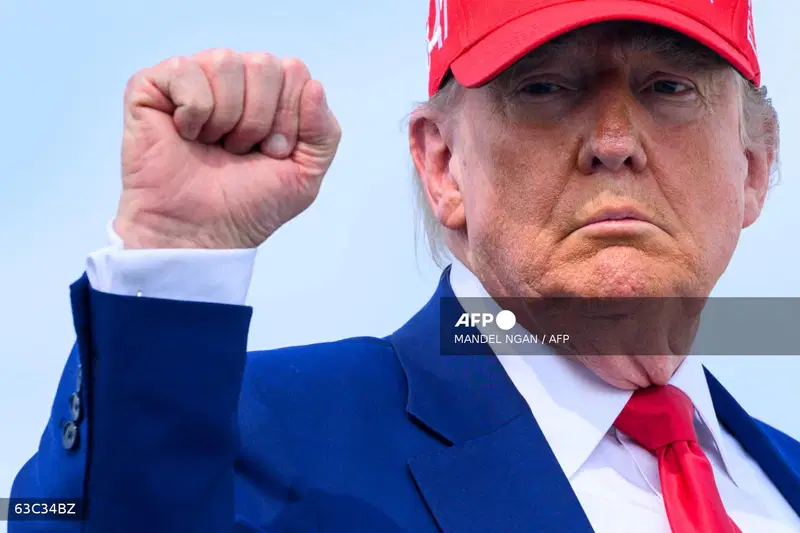
United States President Donald Trump said US forces conducted deadly strikes against Islamic State terrorists in northwestern Nigeria, and vowed more attacks if the militants keep killing Christians.
“I have previously warned these Terrorists that if they did not stop the slaughtering of Christians, there would be hell to pay, and tonight, there was,” Trump posted on his Truth Social platform, adding that “the Department of War executed numerous perfect strikes.”
READ ALSO:JUST IN: Kano Lawmaker, Sarki Aliyu Daneji, Dies Hours After Colleague’s Passing
Trump stated that the Department of War “executed numerous perfect strikes, as only the United States is capable of doing. Under my leadership, our Country will not allow Radical Islamic Terrorism to prosper.”
The US president wished everyone Merry Christmas, “including the dead Terrorists, of which there will be many more if their slaughter of Christians continues.”
Details later.

 News4 days ago
PHOTOS: New Era In Furupagha-Ebijaw As Okpururu 1 Receives Staff Of Office
- News3 days ago
UBTH CMD Marks 120 Days In Office, Expresses Commitment To Providing Conducive Working Environment
- News3 days ago
FIRS Confirms NIN As Tax ID
- News4 days ago
OPINION: Gumi And His Terrorists
- News4 days ago
FG Declares Public Holidays For Christmas, New Year Celebrations
- Metro3 days ago
Fintiri Pardons Man Sentenced To Death For ‘Killing Herdsman In Self-defence’, Others
- News4 days ago
OPINION: Christmas And A Motherless Child
- News2 days ago
JUST IN: Kano Lawmaker, Sarki Aliyu Daneji, Dies Hours After Colleague’s Passing
 News3 days ago
OPINION: My Man Of The Season
- News3 days ago
KWAM 1 Withdraws From Awujale Race, Ends Court Challenge


