

Entertainment
Timeline: Four Nigerians, Other African Grammy Awards Winners


The biggest music event, the Grammy Awards, will be going down with its 66th edition in Los Angeles on Sunday, with a converging of the best of music stars from Africa and around the world, and this year’s edition won’t be any different.
Since the 1960s, the recognition of exceptional projects by African artists has been a tradition, marked by South Africa’s Mariam Makeba becoming the first African artist to receive the Grammy Awards.
Here are 14 African acts that have won Grammy awards.
Makeba (South Africa)
In 1966, South Africa’s Miriam Makeba, also known as Mama Africa, became the first African recording artist to win the Grammy Awards, just seven years after the award was first held.
Makeba won Best Folk Record for her album “An Evening With Belafonte/Makeba,” with American singer Harry Belafonte at the 8th Grammy awards .
Sade Adu (Nigerian-British)
Helen Folasade Adu was born in Ibadan, to a Yoruba-ancestry father and an English mother. She was the lead vocalist for her band, Sade, which bears her name.
READ ALSO: Workers’ Protest, Ground Ondo Varsity Over Unpaid Wage Award
In 1986, she won the ‘Best New Artist’ Grammy Awards. She also won the ‘Best R&B Performance By A Duo or Group with Vocal’ for “No Ordinary Love” (1993), the ‘Best Pop Vocal Album for’ “Lovers Rock” (2001), and the ‘Best R&B Performance By A Duo or Group with Vocals’ for “Soldier of Love” (2011) at the Grammy Awards.
Ladysmith Black Mambazo (South Africa)
In 1988, South Africa’s male choral group won the ‘Best Traditional Folk Recording’ for the song ‘Shaka Zulu’.
The group received 17 nominations and won four more Grammy awards: Best Traditional World Music Album for “Raise Your Spirit Higher” (2004), Best Traditional World Music Album for “Ilembe: Honoring Shaka Zulu” (2009), Best World Music Album for “Live: Singing for Peace Around the World” (2013), and Best World Music Album for Shaka Zulu Revisited: 30th Anniversary Celebration (2018).
Ali Farka Touré (Mali)
Regarded as one of Africa’s most internationally renowned musicians, Toure received a total of five nominations, winning three times at the Grammy Awards.
He won the Best World Music Album for “Talking Timbuktu” (1994) and the Best World Music Album for “In The Heart Of The Moon” (2005). Following his death in 2006, he was posthumously awarded Best Traditional World Music Album for “Ali and Toumani” (2010) at the 53rd Grammy Awards.
READ ALSO: Ekiti School Pupils Kidnap: Ondo Amotekun Deploys 100 Personnel, Parades 31 Suspects
Cesária Évora (Cape Verde)
Évora started as a club singer in the port city of Mindelo and became famous as the “Barefoot Diva,” performing without shoes in tribute to the poor.
She received six nominations, winning the Best Contemporary World Music Album for “Voz dámor” (2004) at the 47th Grammy Awards.
Youssou N’Dour (Senegal)
Ranked as one of the greatest singers of all time, N’Dour helped develop a style of popular Senegalese music known by all Senegambians.
He won the Best Contemporary World Music Album for “Egypt” (2005).
RedOne (Morocco)
Nadir Khayat popularly known as ‘Red One’, is considered one of the most influential record producer artists in contemporary music.
He has eight Grammy Awards nominations, winning Best Dance Recording for “Poker Face” (2010) and Pop Vocal Album for “The Fame Monster” (2011).
READ ALSO: Over 30 Feared Dead As Tanker Explodes In Imo
Tinariwen (Mali/Algeria/Libya)
The group consists of individuals from the nomadic Tuareg people of the Sahara.
They won the World Music Album for “Tassili” (2012) at the 54th Grammy Awards.
Wouter Kellerman (South Africa)
Kellerman is a South African flautist, producer, and composer who explores the versatility of the instrument and fuses classical and contemporary sounds.
He won the Best New Age Album for “Winds Of Samsara” (2015) and the Best Global Music Performance for “Bayethe” (2022) at the 57th and 64th Grammy Awards respectively.
Angélique Kidjo (Benin)
Beninese-French artiste Angélique Kidjo is the African artist with the most Grammy Awards.
She won in 2007, 2015, 2016, 2020, and 2022 in the categories: ‘Best Contemporary World Music Album,’ Best World Music Album (won three times), and Best Global Music Album,” respectively.
Burna Boy (Nigeria)
Nigerian Afrobeats star Damini Ogulu (Burna Boy) is the first Nigerian male artist to win the Grammy Awards for an original work.
Burna Boy won the Best Global Music Album for “Twice As Tall” (2021). At the 66th Grammy Awards, he received four nominations.
READ ALSO: gBurna Boy To Perform At 2024 Grammy Awards
Wizkid (Nigeria)
Ayodeji Balogun ‘Wizkid’ is regarded as one of Nigeria’s greatest musical acts.
Wizkid won the Best Music Video category, for his collaboration on the track “Brown Skin Girl” with Beyoncé and Blue Ivy at the 63rd Grammy Awards in 2021.
Black Coffee (South Africa)
“The DJ/producer’s victory represents a shift around ideas of what African musicians are capable of, from traditional genres and folk music to the high-tech world of electronic dance music,” Grammy stated.
Black Coffee won the Best Dance/Electronic Music Album for “Subconsciously” (2022) at the 64th Grammy Awards.
Tems (Nigeria)
Temilade Openiyi popularly known as Tems won the Best Melodic Rap Performance for “WAIT FOR U” (Future, Drake & Tems) at the 65th Grammy Awards.




Entertainment
I’ve Been Blacklisted In Music Industry For 13 Years – Seun Kuti

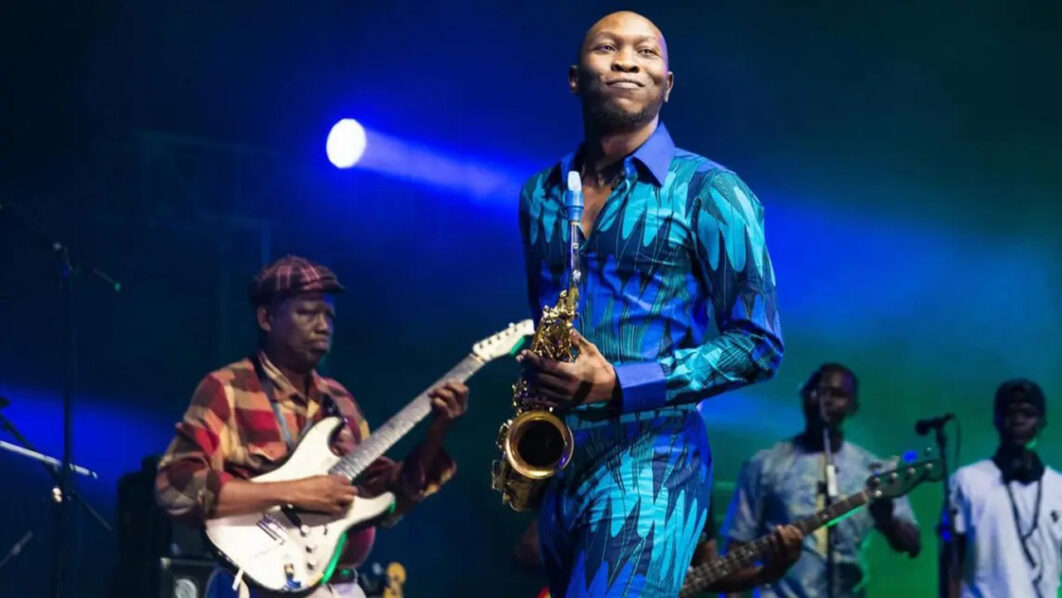
Grammy-nominated Afrobeat singer, Seun Kuti has claimed that he has been blacklisted in the Nigerian music industry for about 13 years due to his style of music.
He explained that because his late father Fela Anikulapo-Kuti and his contemporaries used their music as a form of protest against bad governance, the government invested heavily in vain artists while targeting conscious musicians.
Speaking in a recent episode of the Saleh Meditate podcast, Kuti said government’s interference has significantly affected the quality and impact of modern Nigerian music.
He, however, said being blacklisted in Nigeria doesn’t affect him much, stressing that the country is just a fraction of his fanbase.
READ ALSO:
He said, “The impact of Fela and his contemporaries who spoke truth to power sacred the government. They made the government realised the power of artistry. So, the government invested more in artists who don’t make conscious music than artists who sing about realities.
“When I am in Nigeria, I don’t fear to say whatever I want to say. That is a lot of people are saying that I should be cancelled. I have been cancelled for about 13 years now after I performed conscious music at former Lagos State Governor Ambode’s event. Even before then, my music was heavily restricted.
“I have been cancelled for long. People think I am not cancelled because I am doing well. Nigeria has cancelled me long time but Nigeria is just like a really small percentage of my market. So, being cancelled doesn’t really affect me.”
He added that artists who are scared of being blacklisted are only scared because Nigeria makes up the bulk of their fanbase.
Entertainment
My Beef With Wizkid Is For Life – Seun Kuti

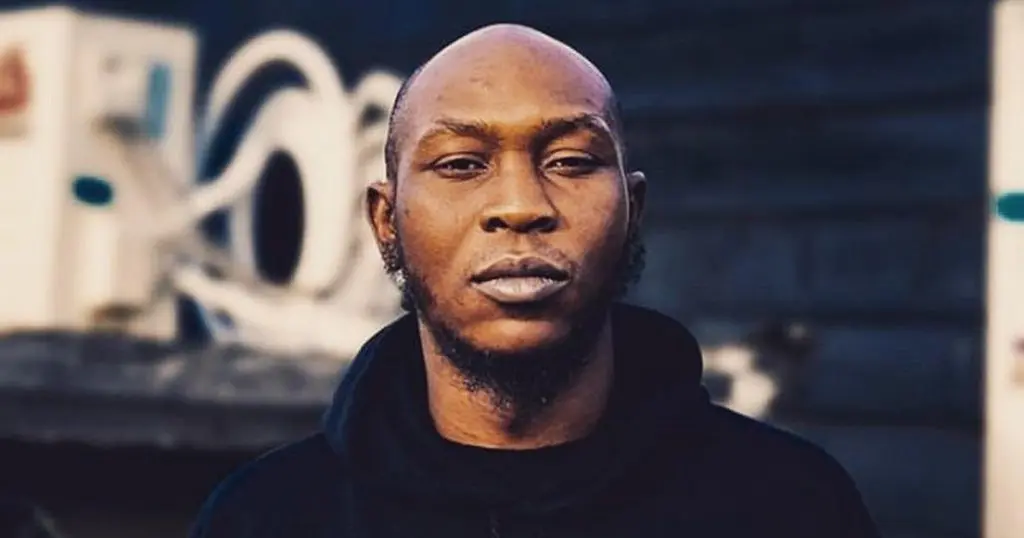
Maverick singer Seun Kuti has ruled out reconciliation with Afrobeats star, Wizkid, declaring that their rift is lifelong.
DAILY POST recalls that Seun Kuti and Wizkid fell apart after the latter claimed he was greater than Afrobeat pioneer Fela Anikulapo-Kuti in response to the former’s directive to fans to stop comparing the Ojuelegba crooner to the late music legend.
READ ALSO:How My Elder Sister Opposed Selling Fela’s Catalogue – Femi Kuti
When asked in a recent podcast if he has settled his beef with Wizkid, Seun Kuti said he can’t reconcile with the Starboy boss because he disrespected his late dad.
The host asked: “Have you and Wizkid settled your Beef?”
Kuti replied: “It is on for life. I don’t have anything to say about him but it is on for life. You don’t say things about my dad and then it is fine. There is no coming back from that.”
Entertainment
Why I Stopped Attending Church Service – Funke Akindele

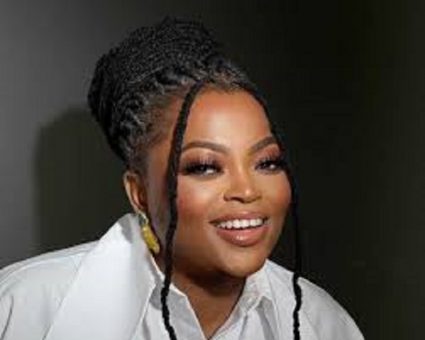
Famous Nollywood actress, Funke Akindele, has opened up on why she lost interest in attending church service.
The actress who made the revelation in a Snapchat video on Sunday, stated that she stopped going to church because attention often shifted to her rather than the service.
While explaining that she’s always the one they take pictures of, the actress said she now joins church service online.
READ ALSO:Drama As Eniola Badmus Challenges Funke Akindele To Celebrity Boxing Fight
Akindele said “Anytime I go to church, I am always the one they take pictures of. So I will join online.”
Recall that in 2022, Akindele openly identified herself with the Celestial Church of Christ.
“Every time I have challenges I go to the Celestial church quietly at night for solutions. But I have to stop hiding and publicly identify with the church”, she said.
-

 Politics4 days ago
2027: Tinubu’s Re-election May Put An End To Nigeria — Baba Ahmed Warns
-

 Politics5 days ago
BREAKING: 2027: Former Adamawa APC Guber Candidate, Aishatu Binani Defects To NDC
-

 Politics5 days ago
Senatorial Seat: Ogbakha-Edo Warns Against Imposition Of Candidates In Edo South
-

 Business4 days ago
JUST IN: Nigerian Filling Stations Reduce Fuel Price After Hike
-

 Entertainment5 days ago
Actress Eniola Badmus Gets New Federal Appointment
-

 News4 days ago
2027: Pastor Adeboye Speaks On Nigeria’s Next President
-

 News2 days ago
BREAKING: Wike Picks Alabo George For Rivers Governorship
-

 Politics4 days ago
NDC Speaks On Peter Obi, Kwankwaso Joining Party
-

 News3 days ago
OPINION: Why South Africans Murder Nigerians In Cold Blood
-

 Politics5 days ago
2027: Pondi, Otuaro, Other Delta South Stakeholders, Endorse Senator Joel-Onowakpo For Second Term
