
Headline
Trump Warns Of ‘Anarchy’ if US Re-elects Biden, Vows To Crush Incumbent
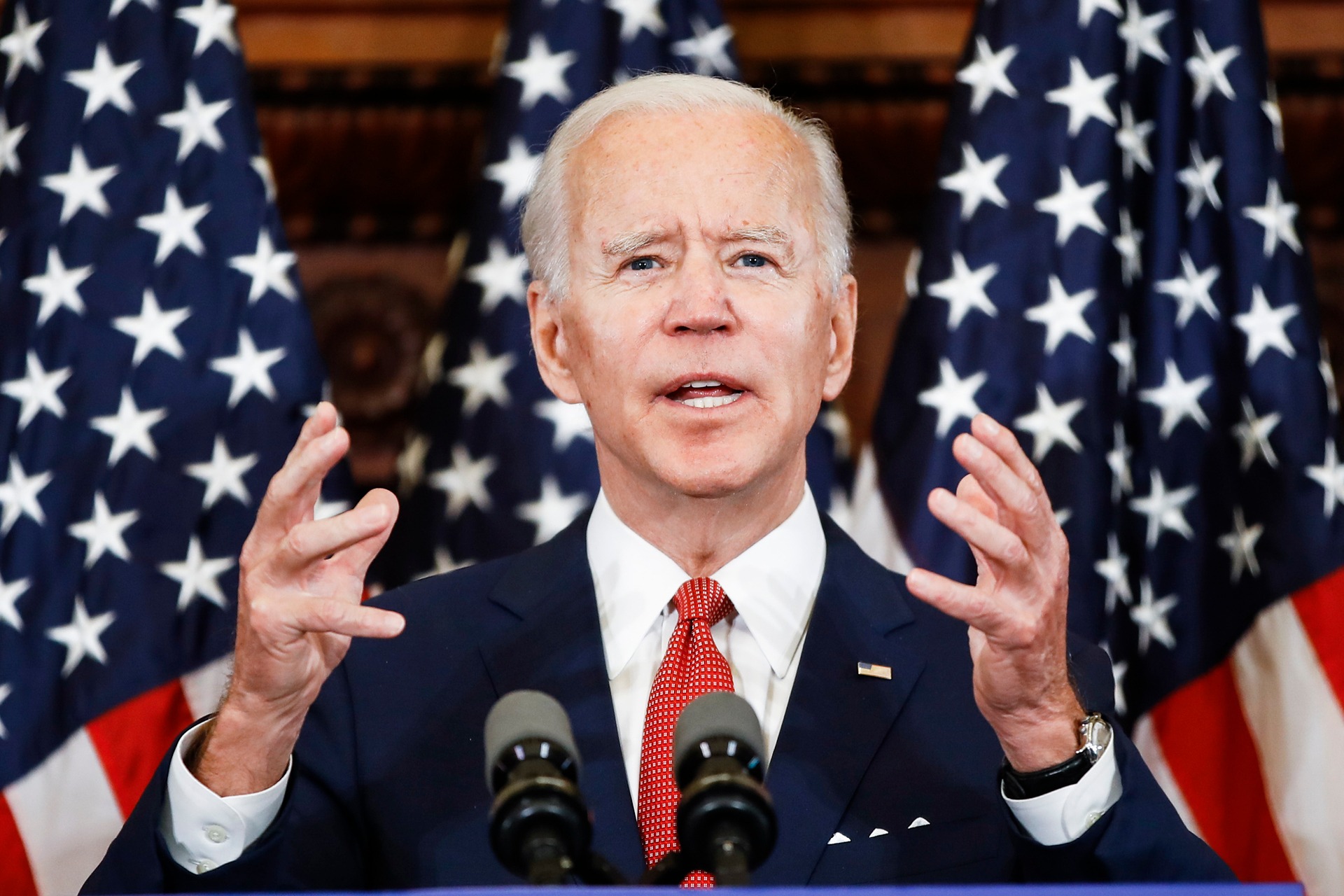
Donald Trump vowed Thursday to “crush” Joe Biden in the 2024 election, warning in his first campaign stop since his successor entered the race that the United States will descend into “anarchy” if the Republican billionaire isn’t returned to office.
The defiant address at a hotel in Manchester, New Hampshire, came with the twice-impeached former president’s legal woes multiplying, as a writer who accuses Trump of rape testified for a second day at a civil trial in New York.
“The choice in this election is now between strength or weakness, between success or failure, between safety or anarchy, between peace or conflict, and prosperity or catastrophe,” Trump told a relatively-modest crowd of around 1,500 supporters.
“We are living in a catastrophe. With your vote on November 5, 2024, we are going to crush Joe Biden and the White House… at the ballot box, and we are going to settle our unfinished business.”
READ ALSO: Ex-US VP, Mike Pence Testifies In Trump Insurrection Probe
It was Trump’s first appearance since January in the Granite State, which propelled him to victory in the 2016 Republican nominating contest after a shaky start in Iowa.
Biden, 80, announced Tuesday he would seek a second term in 2024, warning that the next election, like the last, would be a “battle for the soul.”
Many top Republicans say Trump, 76, is positioning himself to lose again after leading Republicans to poor showings in the 2020 general election and in the last two midterm cycles.
“Republicans want someone who can win in November of ’24. Donald Trump is a loser,” New Hampshire Governor Chris Sununu, who is said to be mulling a rival presidential bid, told NBC on Sunday.
READ ALSO: US Tornado, Storms Leave Six Dead As Biden Pays Visit
– ‘Crashing and burning’ –
Nine Republicans in the US Senate have endorsed the billionaire, but others are warning that prosecutions enmeshing Trump might undermine their hopes of taking the upper chamber of Congress back from the Democrats next year.
Trump is being sued for battery and defamation in civil proceedings in New York, accused of raping writer E Jean Carroll in 1996, and has been indicted over a 2016 hush money payment to a porn star in a criminal case likely to stretch well into election year.
He also faces the possibility of charges from the Department of Justice and Georgia prosecutors in cases involving his attempts to overthrow the 2020 election and his hoarding of government documents.
Yet Trump has consistently maintained double-digit leads in Republican primary polling, running far ahead of his nearest likely rival, Florida Governor Ron DeSantis, whom he described in his New Hampshire speech as “crashing and burning.”
READ ALSO: biBiden, 80, To Undergo Medical Checkup Ahead Reelection Bid
Trump, who denies all wrongdoing, angrily denounced the “endless witch hunts” against him, as he invariably does in public remarks.
In a wide-ranging speech that included a rare Q&A and ran to more than 100 minutes, Trump revisited much of his favourite territory, from making false claims about fraud in the 2020 election to smearing his rivals.
He told supporters he was retiring the “Crooked” nickname he uses for long time foe Hillary Clinton and giving it to Biden instead.
“With such a calamitous presidency, it’s almost inconceivable that Biden would have even thought of running for re-election,” Trump said.
AFP



Headline
British Family Accused Of Boarding Dead Grandmother On EasyJet Flight
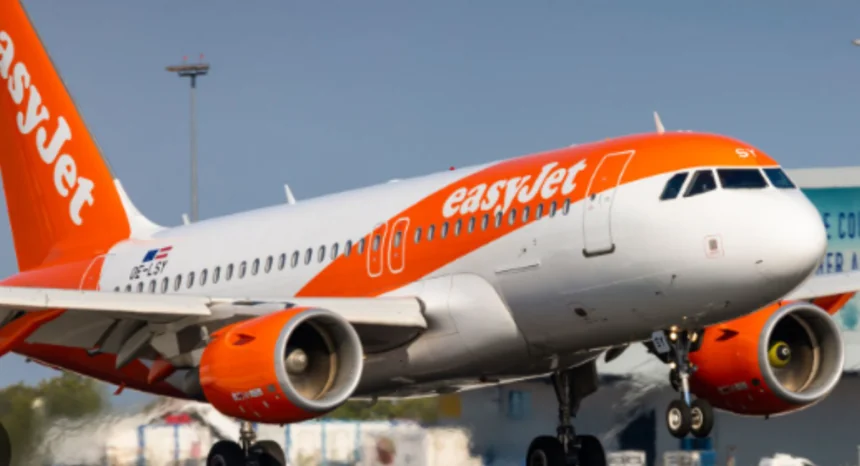
A British family has been accused of trying to board a dead relative onto an EasyJet flight from Málaga, Spain, to London Gatwick on Thursday, passengers said.
The woman, reportedly 89 years old, was wheeled onto the plane by five family members, who told airline staff she was unwell and had fallen asleep.
Witnesses said the woman was pushed in a wheelchair to the rear of the plane and lifted into her seat. Some claimed they overheard a family member tell a boarding clerk, “It’s OK, she’s just tired,” adding, “It’s OK, we’re doctors.”
READ ALSO:Gunmen Invade Church, Kill Priest’s Wife In Anambra
Just before takeoff, the cabin crew realized the woman had died, and the plane was turned around, delaying the flight by 12 hours.
Petra Boddington, a passenger, said: “easyJet, when did you start letting dead people onto planes? Seriously!” Another, Tracy-Ann Kitching, added: “I saw her being wheeled onto the plane; someone was holding her head as they passed me! A doctor on board confirmed that was already dead when they sat her down.”
EasyJet has denied that a deceased person boarded the plane. The airline said the passenger had a fit-to-fly certificate and was alive when she boarded.
READ ALSO:UK Charges Nigerian-British Art Dealer Ochuko Ojiri With Terrorism-related Offence
“The flight returned to the stand prior to take-off due to a customer on board requiring urgent medical assistance. The flight was met by emergency services, but sadly the customer passed away,” a spokesperson said.
The Guardia Civil in Málaga confirmed officers attended the aircraft, and the woman was declared dead on board. No arrests have been made.
Headline
Russian Strike On Odesa Region Kills Eight, Injures 27
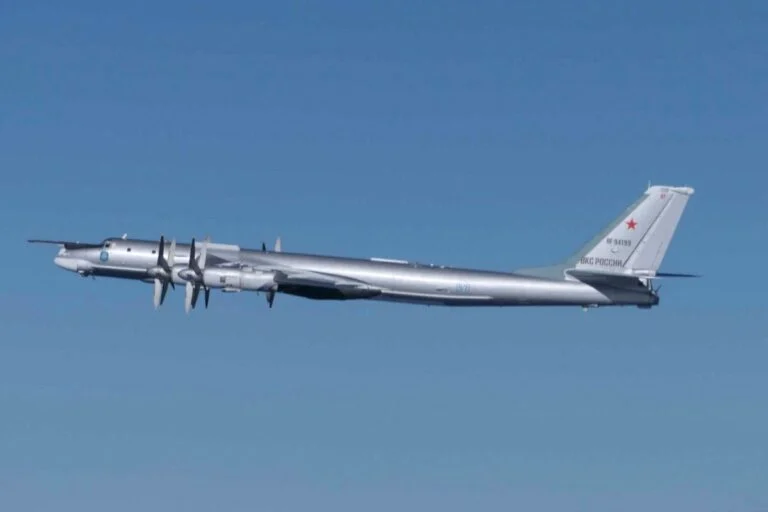
Ukraine’s State Emergency Service has reported at least eight people killed and 27 others injured on Friday night after a Russian ballistic missile strike hit the southern Ukrainian city of Odesa.
According to Ukrainian authorities, the attack targeted port infrastructure facilities in the town of Pivdenne, near Odesa, and damaged nearby civilian vehicles.
The strike came one week after much of Odesa was left without power, heat, and water following a “severe” aerial assault.
“Some of the injured were on a bus that was at the epicenter of the shelling. Trucks caught fire in the parking lot, and cars were also damaged,” the State Emergency Service said.
READ ALSO:Russia Insists Ukraine Must Cede Land Or Face Continued Military Push
Emergency officials said the deaths occurred at a port infrastructure facility. Medical teams and first responders were deployed after the strike, but their work was disrupted by “ongoing air raid alerts,” according to Oleh Kiper, head of Odesa’s regional administration.
Russia has carried out repeated attacks on Odesa in recent days, damaging port facilities, civilian vessels, and key infrastructure.
Two major bridges linking the northern and southern parts of the Odesa region have also been hit, with repairs under way, Kiper said.
Elsewhere, Ukraine’s State Emergency Service reported a “massive” drone attack on the southern Mykolayiv region, which damaged civilian infrastructure and vehicles. No casualties were reported.
READ ALSO:19 Die From Alcohol Poisoning In Russia
Odesa, Ukraine’s largest seaport and a major hub in the Black Sea region, has been a frequent target since the start of the war.
Last week, civilian, energy, and industrial sites in the city suffered extensive damage after what regional officials described as “one of the enemy’s most severe airstrikes,” leaving many areas without power and water.
Russia’s Defence Ministry has not commented on the attack.
Speaking hours before the strike during his annual Direct Line call-in show, Russian President Vladimir Putin said Russia was yet to “see Ukraine’s readiness for peace”.
“[Russia] is ready for negotiations and for ending the conflict via peaceful means,” Putin said, adding that it was up to Russia’s “Western opponents” to end the war.
(CNN)
Headline
Aircraft Crashes In Owerri With Four Persons Onboard

A Cessna 172 aircraft with registration number 5N-ASR, operated by Skypower Express, has crashed at the Sam Mbakwe International Cargo Airport, Owerri, Imo State.
The aircraft had departed Kaduna International Airport en route to Port Harcourt International Airport before diverting to Owerri after the crew declared an emergency.
The crash occurred at about 8:00 pm on the airport premises, with four passengers and crew members onboard.
Confirming the incident, the Director, Public Affairs and Family Assistance of the Nigerian Safety Investigation Bureau (NSIB), Mrs. Bimbo Oladeji, said the agency had been notified of the crash.
READ ALSO:Social Media Feud Spills Into Aircraft As VDM, Mr Jollof Exchange Blows
According to the NSIB, the aircraft crashed on the approach area of Runway 17, but no fatalities have been recorded so far.
The statement said: “Following the occurrence, airport emergency services were successfully activated and arrived on site promptly. Reports indicate that there was no post-crash fire, and the runway remains active for flight operations, with other aircraft taking off safely after the incident.
“Efforts are currently underway to coordinate the recovery and evacuation of the distressed aircraft from the crash site to allow for a detailed wreckage examination.”
The NSIB said it has officially activated its investigation protocols in line with its statutory mandate
READ ALSO:Ogun To Prosecute DJ Over Multiple Road Crashes
The Director-General of NSIB, Capt. Alex Badeh Jr., sympathised with the management of Skypower Express over the incident and expressed relief that no lives were lost.
Badeh Jr. added that the Bureau’s investigation team is already coordinating with relevant authorities to secure the crash site and commence a detailed investigation into the cause of the accident.
Two days ago, 11 persons narrowly escaped death as a private jet crash-landed at Mallam Aminu Kano International Airport, Kano, on Sunday morning.
The occupants, including passengers and cabin crew, were safely evacuated amid an intense atmosphere, eyewitnesses told The Guardian.
READ ALSO:Tanker Crash Kills Three, Fire Razes Shops In Kano
The private jet, owned by Flybird Aviation, crash-landed at about 9:30 a.m. while approaching Kano Airport en route to Abuja.
The incident attracted urgent attention, with emergency staff and other stakeholders converging at the runway to render rescue operations.
The management of the Federal Airports Authority of Nigeria (FAAN) is yet to release an official statement on the incident. Unofficial sources disclosed that the passengers have been taken to an unknown destination.
Several aircraft incidents have occurred at Kano Airport, with several lives lost.
The last incident occurred in May 2002, when an EAS Airline aircraft departed the runway at Aminu Kano International Airport at 1:29 p.m. local time en route to Lagos.

 Metro4 days ago
Alleged Organ Harvesting: Bereaved Families Rush To Check Corpses
- News5 days ago
Forest Reserve: Okpebholo Broker Peace Between Host Communities, Investors
- News4 days ago
Police Confirm Edo Tanker Explosion, say No Casualty
- News3 days ago
Former Delta North senator Peter Nwaoboshi Dies
- News4 days ago
Edo SSG Calls On Media To Support Govt Policies, Assures Better Welfare
- Metro2 days ago
JUST IN: Former Edo Information Commissioner Is Dead
- News3 days ago
Grassroots To Global Podium: Edo Sports Commission Marks Enabulele’s First Year In Office
- News4 days ago
Otuaro Tasks Media On Objective Reportage
- News4 days ago
IPF Hosts Media Conference, Seeks Protection For N’Delta Environment
- News4 days ago
Okpebholo Sympathises With Otaru, People of Auchi Over Tragic Tanker Fire Incident


