
Headline
127 Die As Flooding Hits Rwanda
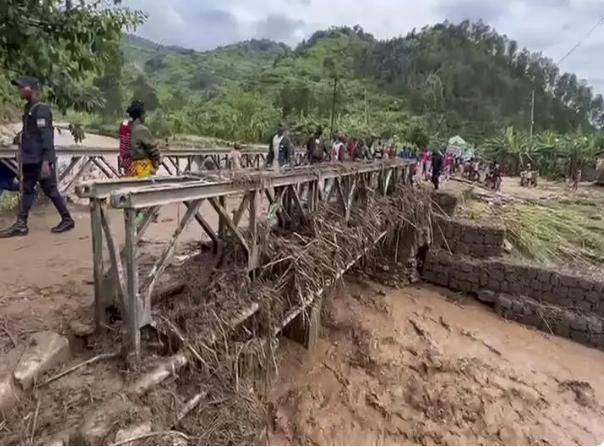
At least 127 people have died as floods and landslides engulfed several parts of Rwanda after torrential rains, destroying homes and cutting off roads, the presidency said Wednesday.
Images posted online by the state broadcaster showed rivers of mud sweeping through the streets as residents scrambled for safety, some wading through the water or clambering over the corrugated iron roofs of collapsed houses.
The small country in the Great Lakes region of Africa has been hit by similar disasters in the past but this appears to be the deadliest in several years.
Rwanda’s government said it was setting up shelters for the homeless in schools and other buildings, without giving a number for those displaced.
“Rescue interventions are ongoing in the most affected districts… in order to secure endangered citizens,” President Paul Kagame’s office said in a statement announcing that 127 people had lost their lives so far.
READ ALSO: Buhari Meets Nigerians Residing In Rwanda, Seeks Collaboration
“My deepest condolences to the families and loved ones of the victims of the landslides and floods that occurred last night in the Western, Northern and Southern Provinces,” Kagame said in a separate statement on Twitter.
“We are doing everything within our means to address this difficult situation.”
The state-run Rwanda Broadcasting Agency (RBA) said most of the deaths occurred in Western Province which borders Lake Kivu.
“I was at home with my children but we escaped successfully before it collapsed,” said Jane Munyemana, a resident in the town of Rubavu in Western Province.
“We plan to remove the floodwaters and sleep in it tonight but we are worried that it may rain again and destroy whatever is remaining,” she told AFP.
READ ALSO: Prince Charles Pays Tribute To Genocide Victims In Rwanda
In the first four months of 2018, more than 200 people died in Rwanda because of floods and landslides.
Other parts of East Africa have also been battered by rains and flooding in recent days, including Uganda where six people have been reported dead.
– ‘Massive landslides’ –
Alain Mukuralinda, deputy spokesman for the Rwandan government, told AFP that residents in affected areas have been instructed not to stay in their homes overnight and to find shelter in other sites such as schools.
“We have managed to get essentials such as food, water and electricity in some of these sites and we are trying to get more necessities to ensure that all the affected do not lack the basics in this period,” he added.
Rwanda’s minister in charge of emergency management, Marie Solange Kayisire, had earlier told RBA that the authorities were already helping to bury victims of the disaster and provide supplies to those whose homes were destroyed.
READ ALSO: How Nigeria Can Curb ‘Japa’ Syndrome — Experts
“When the floods started, there were massive landslides which caused trees to fall and bury the road down here. Our plantations were also washed away. We have a big problem down here,” one woman in Northern Province told RBA.
In neighbouring Uganda, six people died in the west of the country when landslides struck their homes after days of torrential rain, according to the local Red Cross.
It said five of the dead belonged to the same family and were from a single village.
Images shared by the Red Cross showed local farmers perched on steeply terraced hillsides digging through the fresh mudslide and homes buried up to their rooftops in mud.
East Africa often suffers from flooding and landslides during the rainy seasons, although several countries in the Horn of Africa have been in the grip of the worst drought in decades.
READ ALSO: UK Sets First Rwanda Asylum Flight For June
Experts say extreme weather events are happening with increased frequency and intensity due to climate change — and Africa, which contributes the least to global warming, is bearing the brunt.
Last month, at least 14 people died after heavy rains triggered floods and landslides in southern Ethiopia, regional police said. Hundreds of livestock perished and scores of houses were damaged.
In May 2020, at least 65 people died in Rwanda as heavy rains pounded the region, while at least 194 deaths were reported in Kenya.
At the end of 2019, at least 265 people died and tens of thousands were displaced during two months of relentless rainfall in several countries in East Africa.
The extreme downpours affected close to two million people and washed away tens of thousands of livestock in Burundi, Djibouti, Ethiopia, Kenya, Somalia, South Sudan, Tanzania and Uganda.



Headline
Coup: Guinea-Bissau Junta Releases Six Held Opposition Politicians
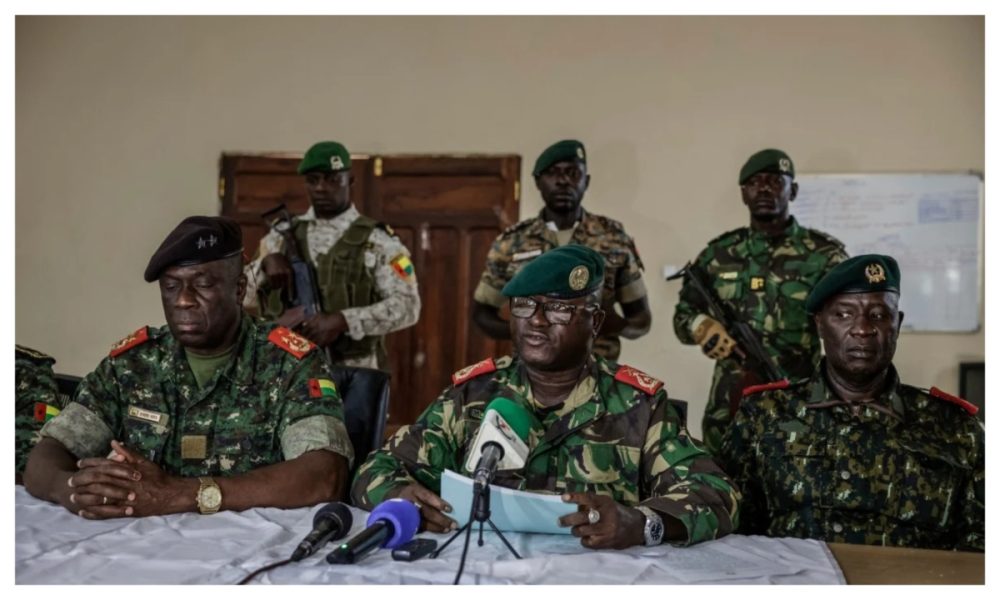
Guinea-Bissau’s ruling junta on Tuesday released six members of the political opposition who had been detained since a coup last month.
The six freed opposition members are said to be close associates of Domingos Simoes Pereira, head of the PAIGC party that led the country to independence in 1974.
Pereira has been in custody since the coup.
In a statement by the High Military Command, the junta’s governing body, the releases are described as a sign of good faith and a step towards the return to constitutional normality and respect for international rights.
READ ALSO:Why West African Troops Overturned Benin’s Coup But Watched Others Pass
The army seized power on 26 November after ousting outgoing President Umaro Sissoco Embalo in the wake of a presidential vote.
After taking over, the military suspended the electoral process and announced it would take control of the West African country for a period of one year.
Recall that another opposition candidate, Fernando Dias, took refuge in Nigeria’s embassy, which granted him asylum, while Embalo fled the country after being briefly detained by the military at the time of the coup.
Meanwhile, Senegal’s Foreign Minister, Cheikh Niang, led a delegation to Guinea-Bissau, where he met with detained opponents and requested their release.
Headline
7 Territories Still Under Colonial Rule

Even though most nations became independent in the last century, some territories are still ruled by other nations.
Contents
1. Western Sahara
2. Guam
3. American Samoa
4. United States Virgin Islands
5. Falkland Islands / Malvinas
6. Gibraltar
7. Bermuda
Many of them remain on the United Nations list of non-self-governing territories, meaning they have not completed the process of decolonization. These places usually depend on bigger countries for laws, passports, defence, or political control.
In this article, Nigerian Tribune highlights 7 territories still under colonial rule:
READ ALSO:Nigeria Ranks World’s 102nd Happiest Nation, US, Germany Not Among 20 Top Counties
1. Western Sahara
Western Sahara remains one of the world’s biggest unresolved colonial issues. Morocco controls most of the territory, but the Polisario Front wants independence for the Sahrawi people. The UN is still trying to help both sides agree on a peaceful solution.
2. Guam
Guam is an important US territory in the Pacific, used heavily for American military operations. The US oversees its defence and foreign relations.
People living there are US citizens, but they cannot vote in presidential elections and do not have full representation in Congress.
READ ALSO:FULL LIST: US To Review Green Cards From 19 ‘Countries Of Concern’ After Washington Shooting
3. American Samoa
American Samoa has more local control than Guam, but the United States still decides immigration, defence, and foreign affairs.
Residents are considered US nationals and must apply if they want full citizenship.
4. United States Virgin Islands
The US Virgin Islands have their own legislature, but the United States makes major constitutional and political decisions. The territory depends heavily on US federal support.
5. Falkland Islands / Malvinas
The Falkland Islands remain controlled by the United Kingdom (UK), but Argentina has long disputed this claim, having been in control of the Islands for a few years before 1833.
The people living there voted strongly to stay British, yet the sovereignty dispute continues to appear in the UN.
READ ALSO:Six Countries With Highest Number Of Billionaires In 2025
6. Gibraltar
Gibraltar sits at the Southern tip of Spain. The United Kingdom controls it, but Spain insists the territory belongs to them.
Gibraltarians have repeatedly voted in favour of remaining British, but the dispute is still discussed within the UN Decolonisation Committee.
7. Bermuda
Bermuda is a British Overseas Territory situated in the North Atlantic Ocean. Although it manages most of its own internal affairs and enjoys a strong economy with modern facilities, the United Kingdom still handles its defence and represents it in global matters.
Headline
Russia-Ukraine War: Pope Leo Calls For Global Christmas Truce
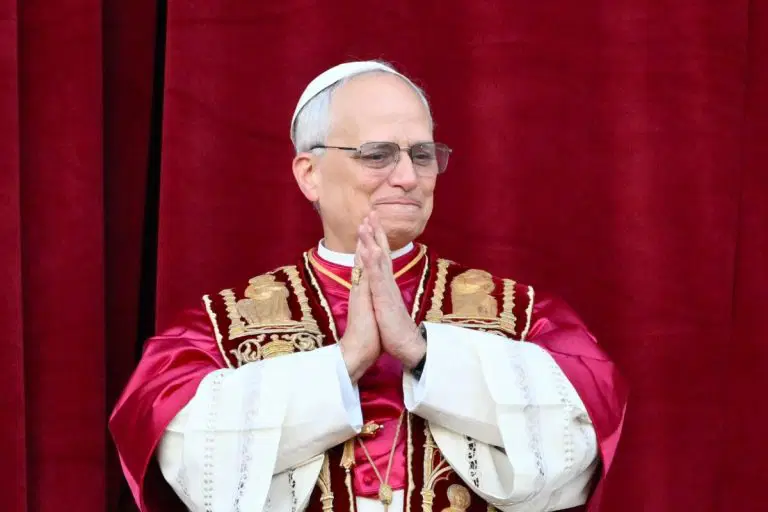
Pope Leo XIV on Tuesday renewed his call for a global truce on Christmas Day, saying he felt “great sadness” after Russia “apparently rejected a request” for a pause in fighting.
Speaking to reporters at his residence in Castel Gandolfo near Rome, the Pope urged all sides involved in conflict to observe at least one day of peace.
“I am renewing my request to all people of goodwill to respect a day of peace — at least on the feast of the birth of our Saviour,” Leo said.
Recall that Russia invaded Ukraine in February 2022 and has repeatedly turned down calls for a ceasefire, arguing that any pause would give Ukraine a military advantage.
READ ALSO:Russian Strikes Kill Five In Ukraine, Cause Power Outages
“Among the things that cause me great sadness is the fact that Russia has apparently rejected a request for a truce,” the pope said.
Referring to conflicts worldwide, Leo added, “I hope they will listen and there will be 24 hours of peace in the whole world.”
The appeal came as fighting continued in eastern Ukraine. On Tuesday, Ukrainian forces withdrew from a town after heavy battles with Russian troops. Russian strikes killed three civilians and left thousands without power during winter temperatures.
READ ALSO:Trump Blasts Ukraine For ‘Zero Gratitude’ Amid Talks To Halt War
There was no indication of progress toward ending the war after separate meetings last weekend in Miami between the United States officials and negotiators from Russia and Ukraine. The conflict is nearing four years with no settlement in sight.
Earlier this month, Pope Leo met Ukrainian President Volodymyr Zelensky. When asked whether he would accept Zelensky’s invitation to visit Ukraine, the pope said, “I hope so,” while noting that it was not possible to say when such a visit could happen.
Leo also warned that efforts to secure peace without European diplomatic involvement were “unrealistic”, expressing optimism that President Donald Trump’s proposed peace plan could bring a “huge change” to the transatlantic alliance.

 News3 days ago
PHOTOS: New Era In Furupagha-Ebijaw As Okpururu 1 Receives Staff Of Office
- Metro5 days ago
JUST IN: Former Edo Information Commissioner Is Dead
- News2 days ago
UBTH CMD Marks 120 Days In Office, Expresses Commitment To Providing Conducive Working Environment
- News3 days ago
FG Declares Public Holidays For Christmas, New Year Celebrations
- News3 days ago
OPINION: Gumi And His Terrorists
- Metro5 days ago
She Grabs, Pulls My Manhood Anytime We Fight — Husband
- News2 days ago
FIRS Confirms NIN As Tax ID
 News2 days ago
OPINION: My Man Of The Season
- Metro5 days ago
Why I Charged My Husband Money For Sex —Woman
- News5 days ago
My Wife Dented My Image, Took Our Marital Crises To Radio Stations — Husband


