
News
OPINION: Nigeria At 63 And Missing Brains
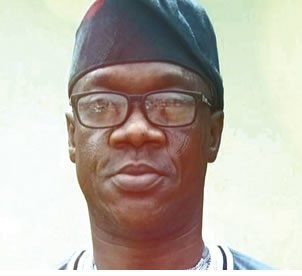
By Suyi Ayodele
At 63 years of independence, Nigeria is either under the knife of a quack doctor, a certified but perfidious organ harvesting doctor, or a know-next-to-nothing illiterate who uses his or her brother’s certificate to organise a medicine store that doubles as drug exchange point!
“Suyi, we are losing our humanity.” That was from an elderly fellow. It was a telephone call. I kept quiet at my own end. He continued: “I don’t know what to call this. We have gotten to a stage where we cannot trust our hospitals not to harvest our organs!” Still no response from me. Then he asked: “Suyi, can’t you hear me; why are you not talking?” I could feel the anguish in his voice. I knew it was rude for me to remain silent when an elder initiated a conversation. But I wanted him to enjoy his agony. He is one of those who always find excuses for the failure of leadership that has been our misfortune in recent times. I merely sighed. He asked if I did not read about Adebola Akin-Bright, the 12-year-old boy whose intestine was poached by some felons at the Lagos State University Teaching Hospital (LASUTH), and the butcher in Jos, Plateau State, one Mr. Noah Kekere, who, for years, had been harvesting human organs with absolute impunity in the name of a surgeon. I eventually responded that I read the stories. He retorted: “So, you mean in Nigeria, doctors harvest people’s organs? Are we still human?” I answered by saying that it is not only people’s organs that are missing in Nigeria, but the country itself has lost all its vital organs and as such, the citizenry has lost its humanity!
Nigeria celebrated its 63 years of independence on Sunday, October 1, 2023. That was a huge one for the country and it would not have been a bad idea if we had rolled out the drums to celebrate. But Nigerians could not rejoice. Nigeria itself could not dance in celebration of its freedom. Why? Every vital organ that the country needs to be able to do acrobatics for the 63rd anniversary of its nationhood has been harvested by bad governance that has been its lot since independence in 1960. The last eight years under General Muhammadu Buhari have been the worst ever in the chequered history of the nation. Unfortunately, the present administration of President Bola Ahmed Tinubu appears to be the very one sent from the pit of hell to finally nail the coffin of the country. The agony of the people since May 29, 2023, when Tinubu assumed office remains a contender for a conspicuous space in the World’s Guinness Book of Records. From our lethargic executive to the comatose legislature and the amenable judiciary, Nigeria is on the reverse gear to the Stone Age. The nation drifts around like someone whose organs have long been lost to debilitating infirmities. And truth be told, legions are the ailments which afflict Nigeria. For my interlocutor above, my submission is that Nigerians lost their humanity long ago and the business of organ harvesting in the country is unlimited.
FROM THE AUTHOR: Alaafin Stool: Putting Culture To The Sword? [OPINION]
We will be living in the proverbial fool’s paradise if we believe that organ harvesting is limited to the Plateau kidney theft or the Lagos intestine poaching. It is an all-encompassing malady. More than anything else, bad leadership, corruption, and deliberately playing accessory after the fact of maladministration have harvested Nigerians’ organs more than the felons in Jos and Lagos have ever done. Check it, there is no organ that the corruption and perfidious system we run have not harvested from the Nigerian populace: our eyes, noses; brains to common sense, and from our hearing to sensitivity and sensibility. If not so, how would ‘human rights activists’ of yesteryear close their eyes to the corruption going on in the land all because their pay masters are in power? If our eyes have not been harvested by the filthy lucre thrown at us by the locusts in power, how would a government remove fuel subsidy without any plan to ameliorate the attendant sufferings and the no-subsidy-removal-group of 2011 are not seeing Nigerians going through untold hardship in the hands of the very ones who bankrolled the Ojota, Lagos music concerts to pummel GEJ into backtracking on subsidy removal? How are we sure that those who gave ‘inspirational’ speeches at Freedom Park in 2011 still have their eyes intact to see the sufferings in the land?
Who else, but a populace that has had its brain harvested will still advance arguments in support of President Tinubu’s stance that Nigerians, nay the entire world, have no right to know the contents of his ‘acclaimed’ academic records, as he is arguing in court in the United State of America in his case with Atiku Abubakar? How about the professors, who for over three decades have taught students upon students, but who now come out to tell you that a First-Class graduate, as we have in President Tinubu, has the right not to show the world his academic credentials? What do you make of the brains of such ‘eggheads’; what has happened to their brains? When a gynaecologist of no mean repute says that it is not our business to know if the Bola A(hamed) Tinubu who attended CSU can be a male, female, or a hermaphrodite, do you still think such a gynaecologist has anything occupying a space in his skull? Do we also talk about the numerous Senior Advocates of Nigeria (SANs) and their arguments that by virtue of students’ entitlement to secrecy and privacy, our president is covered by law not to make his credentials available to us to screen? If for these legal ‘luminaries’, the issues of morality, integrity and credibility can be completely ignored, are we not right to interrogate the existence of their sensibilities?
FROM THE AUTHOR: Obasanjo: Day Obas Ate In Public [OPINION]
What about our feeling as Nigerians? Do we still have that intact also, or it has long been harvested? Why, for instance, would David Umahi, the Minister of Works, lock out workers for coming late without paying attention to the fact that most of those workers have since abandoned their personal vehicles because of the unaffordable fuel prices, and have to wait, endlessly, for the non-existent public transport, if he still has his sense of empathy intact? Why, again, would Nyesom Wike, the emperor of Abuja, the Federal Capital Territory (FCT) and Femi Gbajabiamila, the Chief of Staff to President Tinubu, showcase their culinary expertise in a country where Nigerians go to social events with all sorts of containers to pack leftover food and bones to feed their families? Will people with unharvested sense of propriety make a video of such rich dishes, the way Wike and Gbajabiamila did, in the midst of abject poverty that has made the masses return to dunghills to scavenge for food and other daily needs?
Think about the troglodyte in Imo State. Who else but a governor with a missing reasoning faculty; someone lucky to be made governor by the reason of a missing organ in the nation’s supreme Court, but the only thing he could offer his people is a second Trans-Atlantic slave trade jobs in Europe? Or did you not watch the video where Governor Hope Uzodimma of Imo State, in his desperate bid for a second term, “assured” the youths of the state that he had secured for them 4,000 jobs in Europe? He did not stop there. He told his equally cheering vital organ-deficient crowd that he had discussed with the European countries and had concluded plans to pay for the tickets of the 4,000 intending slaves to Europe! If we were to carry out a physiological analysis of the Imo State governor, how many of his organs are we likely to find missing if in 2023, the best a governor could offer his people is a promise of 4,000 jobs in Europe? Why has he not been able to create 4,000 jobs in his state? Is it not the same state where the late Sam Mbakwe created Aluminum Smelter Company at Inyishi, the shoe factory in Owerri, the Imo State University, the College of Agriculture, Umuagbo, the College of Technology, Owerri, now Federal Polytechnic Nekede, the Golden Guinea Brewery, Umuahia (now Abia State), the Model Poultry, Abutu, and many more? How many jobs were created then? How much will it cost Uzodimma to transport the 4,000 Imo youths to Europe? If you get the figure, ask what that amount of money will do for the good people of the state! Why have Imolites not raised the alarm about the missing brain of their governor?
Why are our leaders not smelling the ominous cloud of disaster waiting in the corners if the current level of lack in the land continues? Why are they carrying on as if all is well in the face of the combustive frustration, anguish, anger, lack and bitterness in the land? Do they just think all these will go away naturally? If their nostrils have not been long harvested, why is it difficult for them to smell the impending disaster? If they have no nostrils to smell the latent danger, can’t they touch the palpable tension in the country? They asked us to take to farming. We did. Herders showed up and ate up our plantations. We ran. We returned later to harvest the leftovers, loaded them into trucks for the nearest markets; the vehicles got stuck on bad roads. Tomatoes rot away, onions perish, and livestock die for lack of water on the bad roads the inept leadership donated to us. The entire atmosphere is perfumed by a poignant smell, yet our ministers keep doing ‘on-the-spot-check’ to determine the states of our roads. The construction of the Benin-Ekpoma-Auchi-Okene-Lokoja-Abuja expressway started in 2001. Over two decades later, not more than 30 kilometres from Benin to Auchi have been completed. The Lagos-Ibadan Road is there, and many others. Nigerians die avoidable deaths on those roads daily, and leaders upon leaders keep on using them as campaign promises. Yet they cannot perceive that a day will come when the people’s goat will be pushed to the wall, and it will turn back to attack its tormentors. The country is sitting precariously on a keg of gunpowder, yet our leaders are busy playing cards with boxes of matches, and we don’t want to believe that their nostrils have long been harvested!
FROM THE AUTHOR: OPINION: The Husband Beaters Of Lagos
How many more Nigerians will have to have their organs harvested before the government will realise that we don’t have any health care delivery system anywhere? What is happening in our tertiary health institutions such that a child’s intestine would be harvested the way that of Adebola Akin-Bright was harvested in LASUTH? Who supervised the operation? Who was the consultant in charge of the ward that day? When the poor boy began to show signs of post-surgery trauma, what steps did the management of the hospital take; what further medical examination and re-examination did they carry out? The University of Benin Teaching Hospital (UBTH) loaded my son with antibiotics for over two years until I demanded for a referral letter to the teaching hospital in Osogbo because that is close to where the boy schools. I almost ran mad when on getting to the Osogbo hospital, the doctor who examined the boy raised the alarm and told me matter-of-factly: “This boy must go for surgery today!” Before I could say anything, the doctor, I guess a consultant, had instructed his subordinates to prepare the theatre for 3pm, scribbled something on the paper, handed over the same to me and asked me to go for costings and make payments. By 3pm on the dot, my boy was prepared for the knife, and I say this, since then, the problem has not recurred. That was the same issue a consultant in UBTH, who would not even allow me into the consulting room, was recommending antibiotics for! How many of such cases do we have all over the country?
What about the organ harvester of Jos, Noah Kekere? Who is to be blamed for his activities? In the entire community of Yanshanu where he plied his trade before he was arrested, there is no single health care facility apart from the slaughterhouse called Murna Clinic and Maternity Centre. Is it sufficient for the Nigerian Medical Association (NMA), to come out to deny that the fake doctor is not its member? Beyond calling out doctors on strike action, does the NMA monitor what goes on in that sector of our nation? How many maternity centres, clinics and hospitals are registered? Even the so-called registered private hospitals, how many qualified nurses are on their payroll? How many people who answer the appellation nurse, are nurses indeed? Who certified these private hospitals to train ‘nurses’? Or has the NMA’s sense of responsibility been harvested too? About seven people have come out so far to say that Kekere harvested their organs. Are we ever going to know the actual number of his victims? Will Nigerians ever get to know the buyers of those illegally harvested organs? Those who poached Akin-Bright’s intestine, may we ask them what they used it for: suya or the delicacy called orisirisi? In the words of the entertainer, Mr. Macaroni (Adebowale Adebayo), “Are we normal?”
Go to your neighbourhood and see the number of ramshackle shops painted white with the inscription, ‘Pharmacy’, conspicuously etched on them! Some of the ‘pharmacists’ operating those shops set drips for patients, administer injections, and ‘prescribe’ medications! In some extreme cases, these emergency community pharmacists perform minor operations. I asked one of them which Faculty of Pharmacy she graduated from, and her answer shocked me. Her brother, a certified pharmacist, used his Pharmaceutical Society of Nigeria (PSN)’s certificate to establish the business and used it to “settle” her. So, the ‘pharmacist’ has a certificate allowing her to operate. Why is that so? The PSN is only interested in the annual practice fee paid by its members, chikena! That is why you have one PSN certificate opening as many as 10 shops in different cities across the country and the owner smiles to the bank every month with the returns from the shops. In such PSN members, their sense of duty and responsibility was long harvested!
This article written by Suyi Ayodele, South-East/South-South Editor, Nigerian Tribune was first published by the same newspaper. It’s published by INFO DAILY with the permission from the author.



News
Edo Targets 2.2 Million Children For Measles, Rubella Vaccination
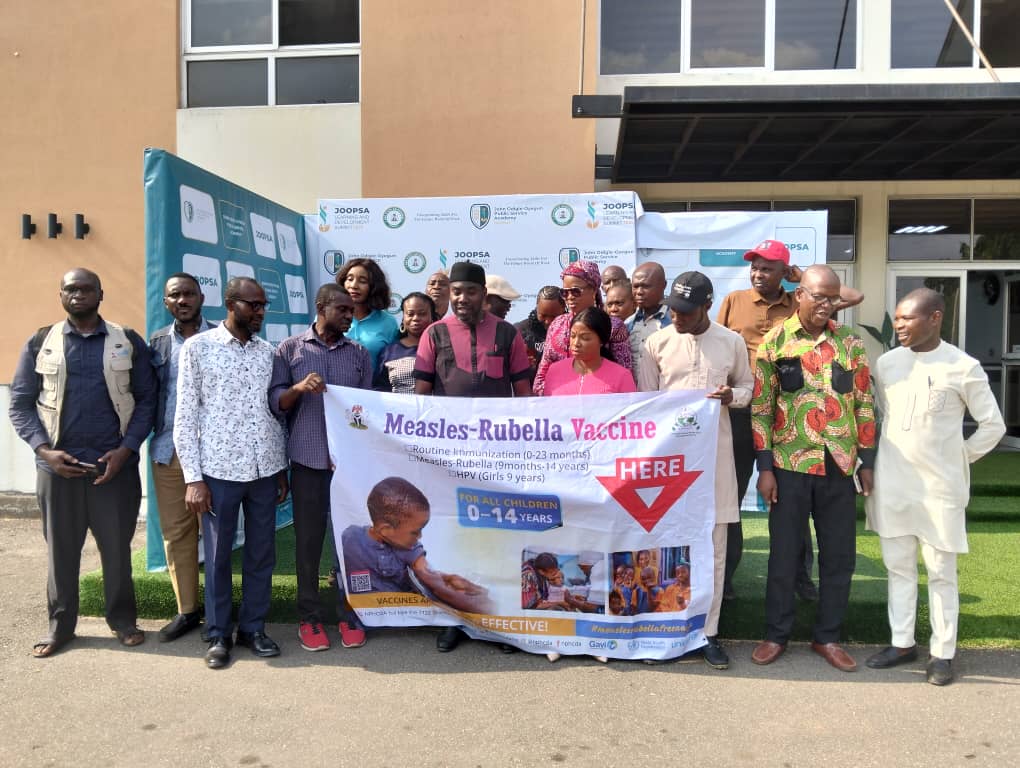
The Edo State Government says it is targeting about 2.2 million children aged between 0 and 14 years for measles and rubella vaccination across the state.
The Director of Disease Control and Immunization at the Edo State Primary Health Care Development Agency, Dr. Eseigbe Efeomon, who disclosed this during stakeholders’ sensitisation meeting in Benin City, said this would be done in collaboration with development partners.
Efeomon, while noting that the vaccination exercise scheduled to hold simultaneously from January 20 to January 30, 2026, across the 18 local government areas of Edo State at designated health facilities and temporary vaccination posts, said the campaign aims to contribute significantly to the reduction of measles and rubella in Nigeria.
He explained that achieving this target requires increased population immunity through sustained vaccination.
READ ALSO:Man Arrested In Edo For Alleged Abduction Of 4-year-old
Dr. Efeomon stressed that only qualified and certified health workers would be recruited as vaccinators because the vaccines are injectable.
According to him, the vaccination strategy would involve fixed posts and temporary fixed posts, and vaccination cards would be issued to all vaccinated children as proof, which parents and caregivers are advised to keep for future reference.
He added that vaccination teams would visit schools, churches, mosques, markets, motor parks, internally displaced persons’ camps and other public places, while children who receive the vaccine would be finger-marked to prevent double vaccination.
He reiterated that the overarching goal of the campaign is to drastically reduce rubella incidence nationwide and protect children from preventable diseases through effective immunisation coverage.
READ ALSO:Edo widow-lawyer Diabolically Blinded Over Contract Seeks Okpebholo’s Intervention
Also speaking, the World Health Organization Local Government Facilitator, Mr. Ajaero Paul, described measles and rubella as major causes of death and congenital abnormalities among children globally.
He said both diseases are preventable through the measles-rubella vaccine, which he described as safe and effective,
He added that sustained advocacy is critical to reducing child mortality and lifelong disabilities.
On his part, UNICEF Social and Behavioural Change Health Officer, Yakubu Suleiman, emphasised that the measles-rubella vaccine is safe and effective for all children aged nine months to 14 years.
READ ALSO:Edo: Suspected Kidnappers Kill Victim, Hold On To Elder Brother
He stated that the government has fully paid for the vaccines, making them available at no cost to all eligible children in government health facilities across the state.
Suleiman explained that vaccination not only protects individual children but also safeguards communities from deadly vaccine-preventable diseases such as measles and rubella.
He added that even children who had previously received the measles vaccine should still be given the measles-rubella vaccine and appealed to schools and other key stakeholders to support the campaign to ensure that no child is left behind.
News
Togo, Niger, Benin Owe Nigeria Over $17.8m For Supplied Electricity – NERC

Nigeria’s electricity regulator has disclosed that three neighbouring countries, Togo, Niger and Benin, are indebted to Nigeria to the tune of $17.8 million, equivalent to more than N25 billion at prevailing exchange rates, for power supplied under bilateral electricity agreements.
The Nigerian Electricity Regulatory Commission, NERC, made this known in its Third Quarter 2025 report, which reviewed market performance within the Nigerian Electricity Supply Industry, NESI.
According to the report, the international customers were billed a total of $18.69 million by the Market Operator for electricity supplied during the third quarter of 2025. However, only $7.125 million was paid, leaving an unpaid balance of $11.56 million for the period under review.
NERC also revealed that the same international offtakers had outstanding legacy debts amounting to $14.7 million from previous quarters. Of this amount, $7.84 million was settled, leaving a residual balance of $6.23 million.
READ ALSO:Expert Identify Foods That Increase Hypertension Medication’s Effectiveness
When combined with the Q3 2025 shortfall, the total outstanding debt stood at $17.8 million, which translates to about N25.36 billion at an exchange rate of N1,425 to one US dollar.
The regulator identified the international electricity customers as Compagnie Énergie Électrique du Togo, Société Béninoise d’Énergie Électrique of Benin Republic, and Société Nigérienne d’Électricité of Niger Republic.
NERC stated that the three utilities collectively paid just $7.125 million against the $18.69 million invoice issued for electricity supplied in the third quarter, resulting in a remittance performance of 38.09 per cent.
This meant that more than half of the billed amount remained unpaid at the close of the quarter.
READ ALSO:Electricity Workers Threatens Shutdown Over Staff Brutality
The commission explained that the electricity exported to the three countries was generated by grid-connected Nigerian generation companies and delivered through cross-border bilateral power supply arrangements.
By contrast, NERC reported a stronger payment performance among domestic bilateral customers. According to the report, local customers paid N3.19 billion out of the N3.64 billion invoiced for the same quarter, representing a remittance rate of 87.61 per cent.
The regulator further noted that some bilateral customers, both international and domestic, made additional payments to offset outstanding invoices from earlier quarters.
READ ALSO:Reps Ask NERC, DISCOs To Reverse Band A Tariff Hike
Specifically, the Market Operator received $7.84 million from international customers and N1.3 billion from domestic customers in settlement of previous obligations.
Beyond bilateral transactions, NERC disclosed that Nigeria’s 11 electricity distribution companies remitted a total of N381.29 billion to the Nigerian Bulk Electricity Trading Plc and the Market Operator in the third quarter of 2025. This was out of a cumulative invoice of N400.48 billion, translating to an overall remittance performance of 95.21 per cent.
The commission said the figures were derived from reconciled market settlement data submitted as of December 18, 2025, as part of its statutory evaluation of the commercial health and performance of the electricity market.
News
Expert Identify Foods That Increase Hypertension Medication’s Effectiveness
Hypertension remains one of the leading causes of premature death worldwide, contributing significantly to heart disease, stroke, and kidney failure. Despite the availability of effective antihypertensive drugs, long-term control of high blood pressure is often challenging because of drug resistance, side effects, and poor adherence.
This has fueled growing scientific interest in complementary strategies that can enhance drug efficacy while minimising toxicity. One promising approach is the combination of conventional antihypertensive medications with herbs and spices in many kitchens.
Recent evidence suggests that augmenting modern antihypertensive drugs with foods rich in p-coumaric acid, a naturally occurring phenolic acid, may offer a novel and effective strategy for blood pressure control.
Phenolic compounds, commonly found in fruits, vegetables, whole grains, and legumes, are known for their antioxidant, anti-inflammatory, and blood vessel–protective properties.
READ ALSO:Russia, China Afraid Of US Under My Administration — Trump
In a study, researchers investigated the combined effects of lisinopril, a widely used antihypertensive drugs and p-coumaric acid on hypertension.
They reported in the Comparative Clinical Pathology that p-coumaric acid enhance the antihypertensive action of lisinopril, potentially allowing for improved blood pressure control without increasing drug dosage.
The study used an established animal model in which hypertension was induced in rats through oral administration of L-NAME, a compound known to suppress nitric oxide production and raise blood pressure.
Following the induction of hypertension, the animals were treated for 14 days with p-coumaric acid (at two different doses), lisinopril alone, or a combination of both.
READ ALSO:Man Suffers Hypertension As Daughter, Grand-daughter Disappear For 10 Years
Untreated hypertensive rats showed significantly elevated activities of key enzymes linked to high blood pressure such as ACE, arginase, acetylcholinesterase, and phosphodiesterase-5 along with increased lipid peroxidation, an indicator of oxidative stress. At the same time, levels of nitric oxide, a critical molecule for blood vessel relaxation, were markedly reduced.
By contrast, rats treated with a combination of lisinopril and p-coumaric acid experienced notable improvements. Blood pressure was better controlled; harmful enzyme activities were reduced, oxidative stress declined, and nitric oxide levels increased. These improvements were mirrored in the tissues the heart compared with untreated hypertensive animals.
They said that the findings suggest that p-coumaric acid may enhance the antihypertensive action of lisinopril, potentially allowing for improved blood pressure control without increasing drug dosage.
This drug–food interaction model is particularly important in the circumstance of long-term hypertension management. Many patients rely on lifelong medication, and strategies that can improve treatment outcomes while reducing side effects are highly desirable.
READ ALSO:Delta Unveils Free Hypertension, Diabetes Screening
The study also reinforces the growing recognition that diet is not merely supportive but can be biologically active in disease control.
The use of medicinal plants and plant-based therapies in the management of hypertension is deeply rooted in traditional medicine across many cultures. While such practices have often existed outside conventional healthcare systems, modern scientific research is now providing evidence-based explanations for their effectiveness.
While these findings are based on animal studies and cannot yet be directly translated into clinical recommendations for humans, they open the door to future research on dietary strategies that can safely complement antihypertensive drugs.
READ ALSO:Why West African Troops Overturned Benin’s Coup But Watched Others Pass
Further clinical studies are needed to determine appropriate dosages, safety profiles, and real-world effectiveness.
In the fight against hypertension, the future may lie not only in new drugs, but also in smarter combinations, where medicine and nutrition work together to deliver better, safer outcomes for patients.
Such nutrition to help maintain healthy blood pressure includes garlic, potatoes, walnuts,tomato and tomato products, legumes and citrus fruits (grapefruits and oranges).
(TRIBUNE)

 News4 days ago
What I Saw After A Lady Undressed Herself — Pastor Adeboye
- Headline4 days ago
PROPHECY: Primate Ayodele Reveals Trump’s Plot Against Tinubu
- Metro4 days ago
Armed Robbers Shot PoS Operator To Death In Edo
- Metro3 days ago
AAU Disowns Students Over Protest
- Metro4 days ago
Joint Task Force Kills 23 Bandits Fleeing Kano After Attacks
- Business3 days ago
NNPCL Reduces Fuel Price Again
- Politics4 days ago
2027: Rivers APC Pledges To Follow Wike’s Instructions
- Metro3 days ago
Edo: Suspected Kidnappers Kill Victim, Hold On To Elder Brother
- Metro3 days ago
Nine Soldiers Feared Dead In Borno IED Explosion
- Metro4 days ago
Gunmen Demand N200m Ransom For Kidnapped Brothers In Edo


