
Headline
Princess Of Wales, Catherine, Finishes Chemotherapy, Vows To Stay Cancer-free
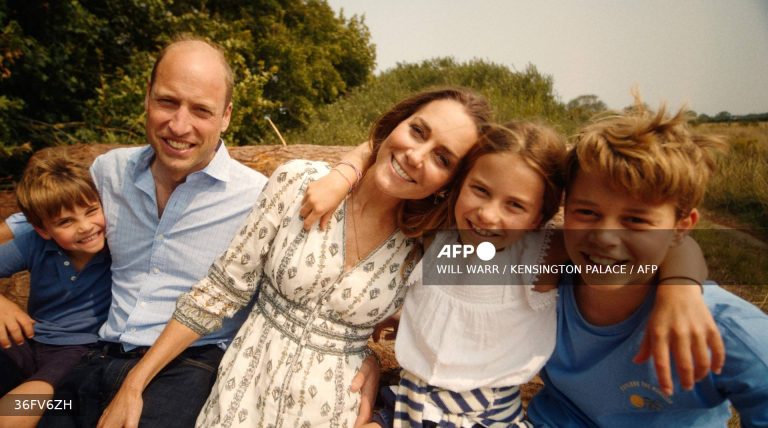
Catherine, Princess of Wales, announced Monday that she had completed her course of chemotherapy following a shock cancer diagnosis earlier this year.
The announcement will provide welcome relief for Britain’s royal family after a troubled year in which head of state King Charles III also revealed he was battling cancer.
“I cannot tell you what a relief it is to have finally completed my chemotherapy treatment,” Kate, as she is often called, said in a message on X and Instagram.
The princess, 42, said the last nine months had been “incredibly tough” for the family—her husband Prince William and their children Prince George, 11, Princess Charlotte, nine, and Prince Louis, six.
“Life as you know it can change in an instant and we have had to find a way to navigate the stormy waters and road unknown,” she said.
Catherine, a future queen seen as a key figure in maintaining the royals’ position in a changing Britain, added that “doing what I can to stay cancer-free is now my focus.”
“Although I have finished chemotherapy, my path to healing and full recovery is long and I must continue to take each day as it comes,” she said.
READ ALSO: US Blocks Nigerian’s Cryptocurrency Fraud, Imposes $50,000 Fine
“I am, however, looking forward to being back at work and undertaking a few more public engagements in the coming months when I can.”
Catherine announced in March that she was undergoing a course of “preventative chemotherapy” for an undisclosed cancer.
– Solidarity –
The announcement came just weeks after it was disclosed that her father-in-law had also been diagnosed with cancer after undergoing treatment for a benign prostate.
Charles, 75, was given the green light to resume public duties in April after doctors said they were “very encouraged” by his progress.
The video message shows Catherine and William looking relaxed and happy with their children in the Norfolk countryside in eastern England, where they have a home.
The video was filmed last month, their Kensington Palace office said.
Catherine added in her highly emotional message that the months since her diagnosis had “above all reminded William and me to reflect and be grateful for the simple yet important things in life, which so many of us often take for granted. Of simply loving and being loved.”
“Everyone’s kindness, empathy, and compassion have been truly humbling,” she said.
READ ALSO: Top 10 Countries With Highest Number Of Churches 2024
And she expressed solidarity with fellow cancer sufferers.
“To all those who are continuing their own cancer journey, I remain with you, side by side, hand in hand. Out of darkness, can come light, so let that light shine bright,” she said.
Catherine has appeared in public on only a handful of occasions this year.
When she announced her cancer diagnosis in a video on March 22, she had not been seen in public since Christmas.
The disclosure came after royal officials said in January that Catherine would spend two weeks in hospital for abdominal surgery.
That announcement came shortly before a separate statement from Buckingham Palace that Charles was to have surgery.
He later spent three days at the same private hospital in central London. Officials then said in early February that tests had identified “a form of cancer,” without giving further details.
Catherine tentatively returned to UK public life in June, attending a military parade in London to officially mark Charles’s birthday.
In July, she attended the Wimbledon men’s final, at which she received cheers as she walked onto the court to present the trophy to Carlos Alcaraz.
Here is a summary of the key dates for Charles and Catherine’s cancer diagnoses:
READ ALSO: Fire Ravages Goods Worth Millions Of Naira In Ibadan Market
January 17: Kensington Palace announces Catherine, Princess of Wales, is hospitalised for abdominal surgery (non-cancer-related). Buckingham Palace reveals Charles will undergo surgery for a benign enlarged prostate.
January 26: Charles undergoes surgery at The London Clinic, where Catherine is also recovering.
January 29: Both Charles and Catherine are discharged from the clinic.
February 5: Charles is diagnosed with cancer and begins treatment. He takes an indefinite break from public duties.
February 6: Charles makes a brief public appearance after his son, Prince Harry, visits him in London.
February 27: William pulls out of a memorial service, with reports suggesting Catherine had received her cancer diagnosis.
March 22: Catherine publicly announces she has cancer and has started chemotherapy, requesting privacy.
April 26: Charles begins a limited return to public duties after positive progress in his treatment.
June 14: Catherine announces progress in her treatment and attends the Trooping the Colour parade.
July 2024: Catherine attends the Wimbledon men’s tennis final.
September 9: Catherine reveals she has completed chemotherapy and is focusing on staying cancer-free while gradually returning to public duties.
PUNCH



Headline
U.S. Lawmaker Reacts To Nigeria, U.S. Airstrikes
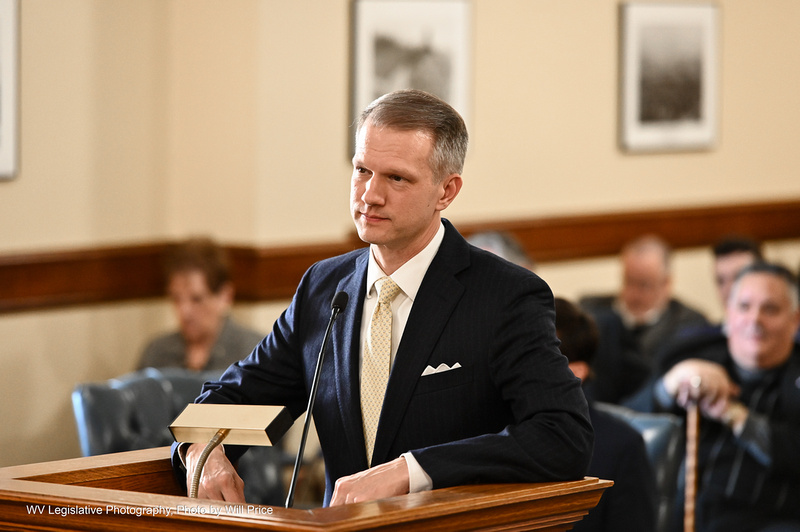
United States Congressman, Riley Moore, has stated that President Donald Trump is determined to put an end to the killing of Christians in Nigeria, warning that further action may follow if the violence persists.
Moore made the statement on Friday via his official X handle.
According to the lawmaker, the strike represents the first step in addressing what he described as the ongoing slaughter of Christians and the broader security crisis affecting Nigerians across religious and ethnic lines.
READ ALSO:US Dept Of War Shares Video Of Air Strikes In Nigeria
“President Trump has been clear that the killing of Christians in Nigeria must end,” he said.
He that the administration’s resolve on the matter should not be underestimated.
“As I stated at the outset: Do not test President Trump‘s resolved in this matter.
READ ALSO:JUST IN: US Forces Bomb Terrorists Camps In Nigeria
“Tonight’s strike in coordination with the Nigerian government is just the first step to ending the slaughter of Christians and the security crisis affecting all Nigerians,” he said.
He stressed that the operation signals a stronger stance by the United States in support of Nigeria’s efforts to tackle terrorism and violent extremism, noting that further measures could be taken if the situation does not improve.
Headline
US Dept Of War Shares Video Of Air Strikes In Nigeria
A video footage of the US military air strikes in Nigeria has emerged.
The video was released by the US Department of War following its air strikes against terrorists in Sokoto.
Earlier, the US secretary of War, Pete Hegseth had confirmed that military air strikes hit terrorists in Nigerians, saying it was deadly.
Later on, the US. African Command, confirmed that it conducted the attacks described as very deadly by President Donald Trump.
Trump said he was only keeping the promise he made earlier last month to strike the terrorists he believes are killing innocent Christians.
READ ALSO:JUST IN: US Forces Bomb Terrorists Camps In Nigeria
Although described as powerful and deadly, the casualty caused by the attack is yet to be released.
Explaining further, security expert, Brant Philip, said the strikes may have been launched “from the USS Paul Ignatius, using a Tomahawk missile.”
The Nigerian government through its ministry of foreign affairs has also confirmed that the strikes were successful.
Watch video here
Headline
JUST IN: US Forces Bomb Terrorists Camps In Nigeria
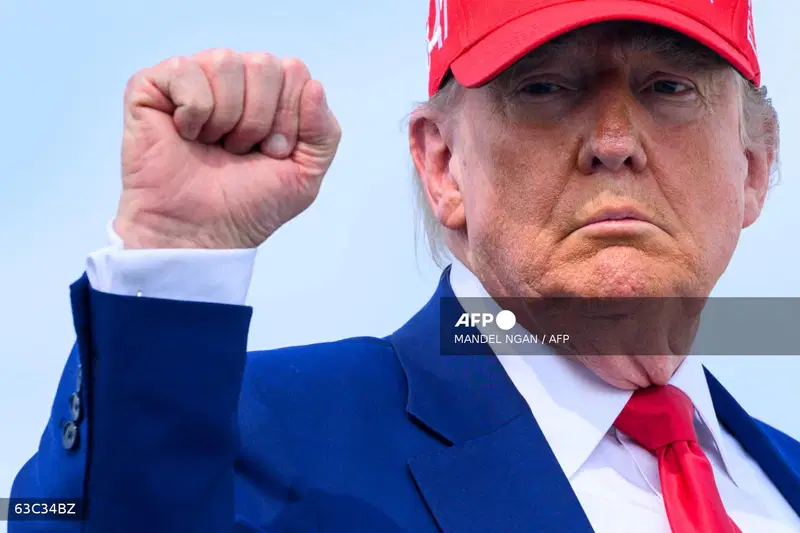
United States President Donald Trump said US forces conducted deadly strikes against Islamic State terrorists in northwestern Nigeria, and vowed more attacks if the militants keep killing Christians.
“I have previously warned these Terrorists that if they did not stop the slaughtering of Christians, there would be hell to pay, and tonight, there was,” Trump posted on his Truth Social platform, adding that “the Department of War executed numerous perfect strikes.”
READ ALSO:JUST IN: Kano Lawmaker, Sarki Aliyu Daneji, Dies Hours After Colleague’s Passing
Trump stated that the Department of War “executed numerous perfect strikes, as only the United States is capable of doing. Under my leadership, our Country will not allow Radical Islamic Terrorism to prosper.”
The US president wished everyone Merry Christmas, “including the dead Terrorists, of which there will be many more if their slaughter of Christians continues.”
Details later.

 News4 days ago
PHOTOS: New Era In Furupagha-Ebijaw As Okpururu 1 Receives Staff Of Office
- News3 days ago
UBTH CMD Marks 120 Days In Office, Expresses Commitment To Providing Conducive Working Environment
- News4 days ago
OPINION: Gumi And His Terrorists
- News3 days ago
FIRS Confirms NIN As Tax ID
- News4 days ago
FG Declares Public Holidays For Christmas, New Year Celebrations
- Metro3 days ago
Fintiri Pardons Man Sentenced To Death For ‘Killing Herdsman In Self-defence’, Others
- News4 days ago
OPINION: Christmas And A Motherless Child
- News2 days ago
JUST IN: Kano Lawmaker, Sarki Aliyu Daneji, Dies Hours After Colleague’s Passing
 News4 days ago
OPINION: My Man Of The Season
- News3 days ago
KWAM 1 Withdraws From Awujale Race, Ends Court Challenge


