
News
Uganda President, Museveni Blasts Western Countries, Says ‘You Fund Seminars But Won’t Aid Manufacturing In Africa
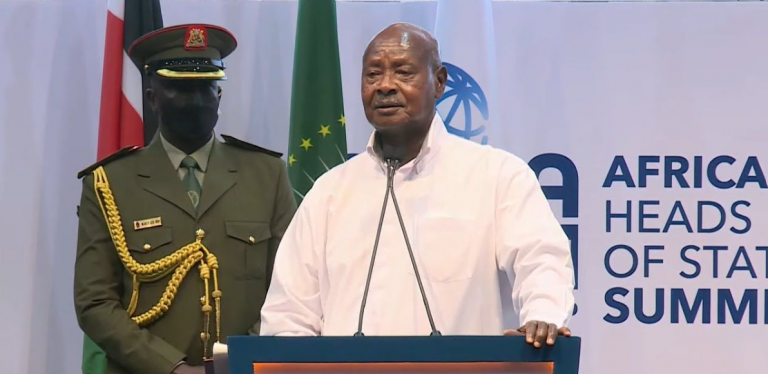
President Yoweri Museveni of Uganda took a bold swipe at world leaders during his speech at the World Bank’s International Development Association summit for African Heads of state, held in Nairobi, Kenya, on Tuesday.
In his remarks, Museveni opined that most of Africa’s problems predicted over 60 years ago were a result of philosophical, ideological, and strategic economic mistakes.
He alleged that a fundamental African problem is that aid from the World Bank and other Western bodies was majorly for profiteering.
“The crisis which is in Africa today is because of philosophical, ideological, and strategic economic mistakes which we have been talking about since the 1960s. It is not an accident when you see the crisis in many African countries, the collapse of States. We predicted this in the 1960s – philosophical, ideological, and strategic mistakes. I don’t have time to amplify each one but I was very happy to hear the president of the World Bank talking about prosperity instead of profiteering.
“Aid has been for profiteering, this has been the problem. Now, the World Bank people and other groups have been talking about sustainable development. Even in your documents, I have seen those words there, sustainable development”, Museveni stated.
READ ALSO: VIDEO: Lagos Uncovers Another Under-bridge Apartment
He argued that what Africa needed to thrive as a continent was not sustainable development as always suggested by the World Bank, and other key players in economic development, but social and economic transformation.
He urged the World Bank and world leaders to quit pushing sustainable development as a key factor in achieving a more developed African continent.
“I would ask you to change those words in your documents. Africa does not need what you could call sustainable development. Africa needs social and economic transformation. The main reason why there’s no growth is because the growth factors are not funded, they are not even understood. What are the growth factors, we now talk of private sector growth. Yes, but for the private sector to grow what does it need? It needs a low cost of production”, he said.
In his opinion, the main reason Africa remains underdeveloped is because the growth factors are not funded and they are not understood by the Western world.
He added that for Africa to be more developed and independent, the private sector needs funding. According to him, adequate funding for the transportation, power and agricultural sectors will boost low production costs.
“Ministers of finance, what are the low costs of production? Number one is transport. You must have low transport costs. Where do low transport costs come from? The railway? If you don’t fund the railway how will you get low transport costs?
READ ALSO: How Two Kenyan School Dropouts Made Prosthetic Arms For People With Disabilities
“Wonderful people, IMF, where will low-cost operations come from if you don’t have a railway? If you don’t fund the railway, how would you get low transport costs? I have been here for the last 64 years, I have been watching as a student leader, as a freedom fighter and now as the leader of a country. How many railways have been constructed or funded in Africa? The few that have been was by China, the Tanzanian railway to Zambia, and recently, another one here in Kenya. Tanzania on their own is building a railway line. So if you’re talking of developing Africa, fund the railway. If you fund the railway, you will have a low cost of transport and you can produce cheap products which can be bought all over the world.
“The second cost pusher is electricity. If you don’t fund electricity and you talk about sustainable development, what are you then talking about? We must have low-cost electricity not exceeding 5 cents per kilowatts, per hour. That is what I insist on in Uganda. I am tired of all these stories, I have put my foot down saying I don’t want to hear those stories. Uganda is a developing country and it will continue to develop because I don’t entertain nonsense anymore.”
Speaking further, Museveni who has ruled Uganda for over 40 years accused the World Bank and Western leaders of refusing to lend him money for capital projects such as the establishment of the Uganda Development Bank.
He lamented the rate at which loans are promptly approved and grated for frivolities but not for serious projects that would yield economic gains.
READ ALSO: Naira Abuse: EFCC, Cubana Chief Priest To Settle Out Of Court
He said, “Borrowing, for what? Capacity building! Imagine! They call you to a hotel where you eat Chapati and mandazi, and they say that is capacity building. Capacity building should be on the ground and not just in seminars. So, the second point your Excellencies is electricity. The third one; is for those people who talk about private sector growth, I have been trying to borrow money for our Uganda Development Bank, a bank which funds manufacturers, but no, I don’t get support for that.
“They say they want my people to go to commercial banks. Those commercial banks are to encourage import because the only person who can borrow money from a commercial bank and pay it back is a trader who goes to China, Dubai buys goods, sells them quickly and pays the loan back. So, if you are serious, I need it here, about the low-cost funding for manufacturing, not stories.”
“How about funding for irrigation? Because if you want to stabilise agriculture, a country like Uganda is very rich, we have got everything. But sometimes, we have some erraticness because of the rains. So, to stabilise irrigation I’ve been trying to look for a loan for irrigation but I can’t easily get it, it is very difficult to get. But a loan for seminars is very quick.”
PUNCH

News
Iranian Airlines Hit By US Sanctions As Oil Prices Rise On Saudi Attacks
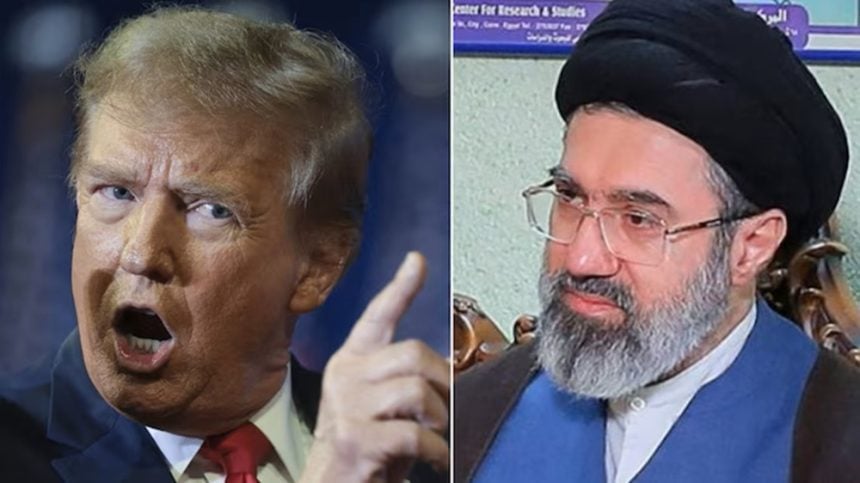
Iranian airlines have been barred from operating in several neighbouring countries following the implementation of new US sanctions, as the wider Middle East conflict continued to put pressure on regional energy supplies and push oil prices higher.
The United Arab Emirates suspended all flights operated by Iranian airlines until further notice after a US deadline for companies around the world to stop doing business with Iran’s aviation sector expired.
Iran’s Tasnim news agency also reported that flights to Oman, Georgia, Azerbaijan and Baghdad had been halted. Iranian authorities were reportedly working to redirect some services to Najaf in Iraq.
The measures are part of a broader US effort to isolate Iran economically by imposing sanctions on companies in third countries that continue doing business with Iranian firms.
Washington had set September 23 as the deadline for companies worldwide to comply with restrictions targeting Iranian airlines, with the stated aim of grounding Iran’s entire civilian aircraft fleet.
READ ALSO: Iran War Is ‘Small Potatoes’ For US – Trump
The restrictions have already affected Iran’s international air links, with Tehran’s Imam Khomeini Airport showing scheduled services to countries including Afghanistan, Armenia, China, Iraq, Pakistan, Tajikistan and Turkey, but no flights to or from several Gulf states.
Iran has warned that neighbouring countries complying with the US restrictions could face retaliation.
A senior Iranian official warned on Wednesday that airports in countries enforcing the ban could be made “unusable”.
The latest sanctions came as tensions across the region continued to affect global energy markets.
Oil prices rose sharply on Thursday after Yemen’s Iran-backed Houthi fighters launched missile attacks against Saudi Arabia, raising fresh concerns about disruptions to crude supplies.
READ ALSO: Iran Plans New Restricted Gulf Zone As Hormuz Tensions Rise
Saudi Arabia said it intercepted six ballistic missiles fired by the Houthis towards areas including Taif and the Yanbu region on the Red Sea.
Yanbu is particularly important to Saudi Arabia’s oil-export strategy because the port provides an alternative route for crude when shipments through the Strait of Hormuz are disrupted.
Brent crude futures settled at $106.60 a barrel, gaining $3.52, or 3.4 per cent, while US West Texas Intermediate crude rose $2.45, or 2.7 per cent, to settle at $94.61.
Both benchmarks had risen by about 5 per cent at their session highs. Brent recorded its highest closing price since September 15, while the gain represented WTI’s first rise after six consecutive sessions of losses.
The price increase came despite signs that diplomatic efforts between Washington and Tehran could eventually ease pressure on oil supplies.
READ ALSO: Iran Executes Man Accused Of Aiding US, Israel
Reuters reported that US and Iranian negotiators in New York were exploring a possible phased agreement under which Iran would reopen the Strait of Hormuz while the United States eased its economic blockade of Iran.
The Strait of Hormuz is a crucial global oil route and its disruption has been a major factor behind the volatility in energy markets during the conflict.
The prospect of negotiations helped crude prices retreat from their intraday highs.
The wider conflict has also affected Saudi Arabia’s ability to export crude. Saudi Arabia has been using its East-West pipeline to divert oil towards the Red Sea after disruptions to Gulf shipping routes. The country has been working to restore export capacity through Yanbu.
READ ALSO: Burutu Ex-Aspirants Trash Vote Of Confidence On Takeme, Demand Probe Of ₦23.7bn Council Funds
Meanwhile, the latest US sanctions threaten to deepen Iran’s economic isolation.
President Donald Trump previously described the expanded sanctions strategy as “economic D-Day”, referring to Washington’s attempt to increase pressure on Tehran by targeting companies outside Iran that continue to do business with sanctioned Iranian entities.
Iranian authorities have warned that the sanctions and wider blockade could worsen the country’s economic difficulties.
The latest developments have therefore created two competing pressures for oil markets: continued military escalation around major energy infrastructure and shipping routes could push prices higher, while progress in US-Iran negotiations and a reopening of the Strait of Hormuz could ease supply concerns.
(Reuters)
News
Report: UK Considers Raising Tax-free Allowance To £15,570

The UK government is reportedly considering increasing the personal income tax allowance from £12,570 to £15,570, a move that could leave millions of workers with more disposable income and prevent most state pensioners from paying tax on part of next year’s pension increase.
The proposal, reported by Sky News citing The Telegraph, would represent the first increase in the personal allowance in five years. The threshold has remained frozen at £12,570 since 2021.
If implemented, the new threshold would be close to the level the allowance might have reached had it continued rising instead of being frozen.
The proposal is being considered by Chancellor John Healey and Prime Minister Andy Burnham, according to the report. It was suggested by Labour donor and Ecotricity owner Dale Vince.
READ ALSO: UK Inflation Rises To Five-month High, Putting Pressure On Bank Of England
Vince said: “If Labour wants to get the economy moving, it should put money into the pockets of people who will spend it.”
He added: “Raising the personal allowance to £15,570 would give millions of people a meaningful boost, with the biggest benefit going to those on the lowest incomes.”
He proposed funding the measure through changes to capital gains tax and by ending interest payments on Bank of England reserves.
“We can pay for it by making the tax system fairer – starting with capital gains and the billions we currently hand to banks in interest,” Vince said.
READ ALSO:Fish Virus Outbreak Hits UK Facilities
However, the government has not confirmed that the proposal will be included in the upcoming Budget.
A Treasury spokesperson said decisions on taxation were matters for the Chancellor to announce at fiscal events, rather than issues the department would “routinely comment on rumour, speculation or proposals”.
The proposed increase could also address an issue facing pensioners.
The UK’s state pension is expected to rise by 3.9% next April under the government’s triple lock system, which guarantees an annual increase based on whichever is highest among inflation, average wage growth or 2.5%.
Provisional wage figures show growth of 3.9%, meaning the full new state pension could increase from £12,547.60 to about £13,036.60.
READ ALSO:Over 150 UK Flights Cancelled After Air Traffic Glitch
That would put the state pension above the current £12,570 personal allowance by approximately £457.
For pensioners with total retirement income below £50,270, that amount would normally be subject to the basic 20% income tax rate, potentially resulting in an annual tax bill of about £91.40.
Increasing the personal allowance to £15,570 would place the projected state pension below the new threshold, meaning pensioners would not pay income tax on the state pension itself, assuming they had no other taxable income.
The proposal comes as the government faces pressure over its finances ahead of the next Budget.
READ ALSO:Top 10 Degrees That Provide Fastest Payback In UK
Official figures showed that the UK public sector borrowed £18.3bn in August, the second-highest borrowing figure recorded for the month. Borrowing for the financial year so far was also £8.1bn above the level forecast by the Office for Budget Responsibility.
The government is therefore expected to face difficult decisions over taxation and spending when the Chancellor delivers the Budget.
Other possible tax changes under discussion include changes to capital gains tax and the proposed high-value council tax surcharge on expensive properties.
No decision on the personal allowance has been announced, and the final policy will depend on the Chancellor’s Budget decisions.
(skynews)
News
Six Corps Members Receive N10m Grants To Boost Agribusiness

Six members of the National Youth Service Corps (NYSC) have received a total of N10 million in grants to expand their agribusiness ventures under the Farmers for the Future Programme.
The programme was organised on Monday by the British American Tobacco Nigeria Foundation (BATNF) in collaboration with the NYSC to encourage young Nigerians to embrace agriculture and develop sustainable businesses.
Presenting the cheques to the beneficiaries in Abuja, the NYSC Director-General, Brigadier General Olakunle Nafiu, urged Corps members to maximise the opportunities provided by the service year by venturing into commodity marketing and other viable businesses.
Nafiu said agribusiness remained a viable avenue for young people to build sustainable enterprises, create employment and generate wealth.
READ ALSO: NYSC Swears In 1,600 Corps Members In Bauchi
He also stressed the importance of value addition to the success and sustainability of business ventures, while commending BATNF for placing Nigerian youths at the centre of its entrepreneurship initiatives through value-chain development, employment creation and its partnership with the NYSC.
“I charge you to spread the news around. We have seen the outcome, and it is a good idea,” he said.
The beneficiaries are Dominic Olufemi (FC/25C/1143), who received N3 million; Temitope Adewole (ED/26A/2251), N2 million; Abdulwaheed Bala (ED/25B/1402), N2 million; Olanike Mayungbe (OG/26B/1037), N1 million; Kingsley Udoeyen (KG/26A/1735), N1 million; and Lorember Lorsue (JG/25B/1742), N1 million.
Speaking on the selection process, the Acting Director, Skills Acquisition and Entrepreneurship Development (SAED), Mrs Winifred Shopeka, said the programme began with an online registration portal through which Corps Members engaged in agribusiness submitted their business plans.
READ ALSO: NCCSALW Deploys NYSC Members In Fight Against Illegal Arms In Northeast
She said nearly 3,000 Corps members applied and underwent a rigorous selection process that produced 20 finalists.
According to her, the finalists participated in a boot camp and a final pitching session, which produced the 10 best presenters before the six ultimate winners were selected.
Shopeka said the beneficiaries had also been mentored and attached to established market operators to assist them in marketing their products.
She added that Corps Members who did not make the final stage of the competition were also trained by BATNF.
The BATNF Team Lead, Mr Oludare Odusanya, congratulated the beneficiaries and urged Corps Members engaged in agribusiness to master the fundamentals and acquire the knowledge and skills necessary to succeed.
“We are happy with our collaboration with the NYSC, and it will continue,” he said.
READ ALSO: NYSC Lauds Gov. Mohammed’s Intervention In Fence Collapse
Odusanya explained that BATNF was an independent organisation established to contribute to poverty reduction in Nigeria through sustainable agricultural practices and other interventions.
He said the Farmers for the Future Programme was instituted in collaboration with the NYSC to encourage Corps Members to venture into agribusiness and become job creators.
He added that the beneficiaries would be attached to mentors who would guide them towards achieving success in their respective businesses.
According to him, the programme has, since its inception, continued to enhance the entrepreneurial capacity of Corps Members.

 News4 days ago
BREAKING: Tinubu Extends Working Vacation
- News5 days ago
Six Hidden Health Benefits Of Unsweetened Zobo
- News5 days ago
Jehovah’s Witnesses Announce New Position On Blood Transfusion Policy
- News5 days ago
How 36 Nigerian States Got Their Names
- News5 days ago
2027: Step-by-step Guide To Applying For INEC Ad Hoc Staff Recruitment
- Headline4 days ago
How To Format An Academic CV For US Master’s, PhD Applications
- Headline5 days ago
Nigerian Man Jailed After Masturbating In Front Of Woman On UK Train
- Business5 days ago
Naira Appreciates Against Dollar At Official FX Market
- News4 days ago
Benue Govt Suspends Muslim Pilgrims Welfare Board Chairman, Secretary
- News5 days ago
Stop Acid Reflux Pain: Foods You Must Ban From Your Kitchen


