
News
Uncontrolled High Blood Pressure Kills 10 Million Annually, WHO Warns
The World Health Organisation has warned that uncontrolled high blood pressure could put over 1.4 billion people at risk of premature death.
WHO, in its second Global Hypertension Report, released on Tuesday, showed that 1.4 billion people lived with hypertension in 2024, yet just over one in five have it under control either through medication or addressing modifiable health risks.
The new report was released at an event co-hosted by WHO, Bloomberg Philanthropies, and Resolve to Save Lives during the 80th United Nations General Assembly in New York.
It also reveals that only 28 per cent of low-income countries report that all WHO-recommended hypertension medicines are generally available in pharmacies or primary care facilities.
Hypertension is a leading cause of heart attack, stroke, chronic kidney disease, and dementia.
It is both preventable and treatable – but without urgent action, millions of people will continue to die prematurely, and countries will face mounting economic losses.
READ ALSO:5 Musicians Whose Net Worth Are More Than Top Footballers’
From 2011 to 2025, cardiovascular diseases—including hypertension—are projected to cost low- and middle-income countries approximately US$3.7 trillion, equivalent to around 2 per cent of their combined GDP.
“Every hour, more than 1000 lives are lost to strokes and heart attacks from high blood pressure, and most of these deaths are preventable,” Dr Tedros Ghebreyesus, WHO Director-General, said.
“Countries have the tools to change this narrative. With political will, ongoing investment, and reforms to embed hypertension control in health services, we can save millions and ensure universal health coverage for all.”
“Uncontrolled high blood pressure claims more than 10 million lives every year, despite being both preventable and treatable.
“Countries that integrate hypertension care into universal health coverage and primary care are making real progress, but too many low- and middle-income countries are still left behind,” Dr Kelly Henning, who leads the Bloomberg Philanthropies Public Health Program.
“Strong policies that raise awareness and expand access to treatment are critical to reducing cardiovascular disease and preventable deaths.”
READ ALSO:US To Revoke Student Visas For Those Who Skip Classes, Programmes
Analysis of data from 195 countries and territories shows that 99 of them have national hypertension control rates below 20 per cent. The majority of the affected people live in low- and middle-income countries, where health systems face resource constraints.
The report highlights major gaps in hypertension prevention, diagnosis, treatment, and long-term care.
Key barriers include weak health promotion policies (on risk factors such as alcohol, tobacco use, physical inactivity, salt, and trans fats), limited access to validated blood pressure devices, lack of standardised treatment protocols and trained primary care teams.
Other barriers are unreliable supply chains and costly medicines, inadequate financial protection for patients, and insufficient information systems to monitor trends.
Blood pressure medication is one of the most cost-effective public health tools. Yet only seven out of 25 (28 per cent) of low-income countries report general availability of all WHO-recommended medicines, compared to 93 per cent of high-income countries.
The report explores the barriers and strategies for improving access to hypertension medication through better regulatory systems, pricing and reimbursement, procurement and supply chain management, and improved prescribing and dispensing of these medicines.
READ ALSO:Tobacco Kills 1.3 Million Non-smokers Yearly — WHO
“Safe, effective, low-cost medicines to control blood pressure exist, but far too many people can’t get them,” said Dr Tom Frieden, President & CEO of Resolve to Save Lives.
“Closing that gap will save lives and save billions of dollars every year.”
In spite of barriers, progress is possible. Bangladesh, the Philippines, and South Korea have made significant progress by integrating hypertension care into universal health coverage, investing in primary care, and engaging communities:
Bangladesh increased hypertension control from 15 per cent to 56 per cent in some regions between 2019 and 2025 through embedding hypertension treatment services in its essential health service package and strengthening screening and follow-up care.
The Philippines has effectively incorporated the WHO’s HEARTS technical package into community-level services nationwide.
South Korea has integrated health reforms, including low costs for antihypertensive medications and limiting patient fees, which have resulted in a high rate of blood pressure control nationally: 59 per cent in 2022.
WHO, however, called on all countries to embed hypertension control in UHC reforms.
Implementing the measures recommended in the report could prevent millions of premature deaths and ease the massive social and economic toll of uncontrolled high blood pressure.
(NAN)



News
Group Dismisses Allegation Against Tompolo, INC President, Calls For Unity
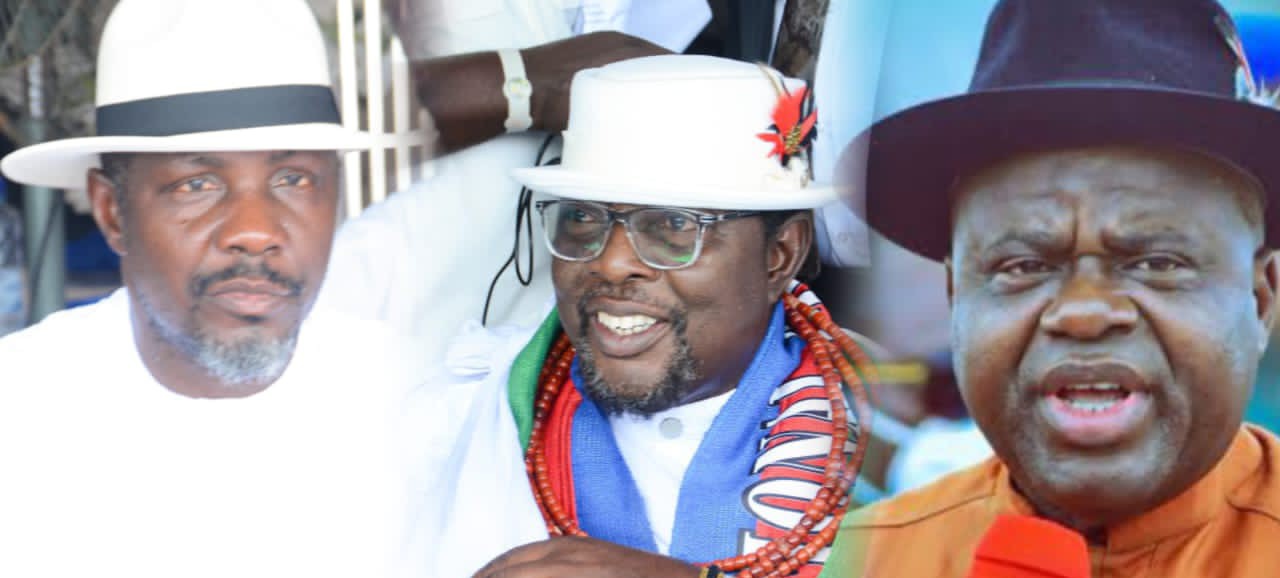
The Ijaw People’s Development Initiative, IPDI, has dismissed allegations against High Chief Government Ekpemupolo alias Tompolo and the newly sworn-in President of the Ijaw National Congress, INC, High Chief (Barr) Macdonald Igbadiwei.
IPDI, in a statement signed by its National President, Austin Ozobo, described the allegations as “malicious, baseless, and aimed at inciting unnecessary conflicts and destabilization of the Ijaw nation.”
Ozobo said the allegations contained in a recent press release by a faceless Niger Delta Reformed Youths were a deliberate attempt to discredit a legitimate electoral process and incite division among Ijaw people.
According to the group, there were no law and moral implications against people close to Tompolo contesting an election. They added, “even the devil will support people who are close to him contesting for elections or looking for a position in the government, so it is not a crime that Tompolo is supporting people who are close to him to achieve their dreams. So dragging Tompolo on the INC matter, is unnecessary and childish”.
READ ALSO:You Can’t Go To US With Good Feelings Since Trump Returned To Power – Sports Legend
“It is worth noting that Tompolo for the interest of peace and respect for constituted authority, leaves his country home in Oporoza, Delta State and travelled to Bayelsa Government house to see Governor Douye Diri to address various concerns arising from the INC election. But the self-styled governor general of the Ijaw nation disrespected him and went ahead to make obnoxious and unfounded orders. This is very unfortunate, as it does not tell well about his acclaimed leadership in Ijaw nation” IPDI noted.
“However, Senator Douye Diri should be guided by wisdom and experience, he should know that issues always arise from any electoral process, both in the developed countries and underdeveloped countries. For example, president Bola Ahmed Tinubu election in 2023, His (Diri) governorship election in 2023 in Bayelsa State, the governorship election of Delta State and others, we all know what transpired. When such issues arise people sit and resolve them. Douye is an interested party in the INC election hence he is behaving funny,” IPDI emphasised.
On the traditional rulers, the group said the traditional rulers have an Advisory role to play in INC, and it is not a crime and no moral implications if someone refuses to accept your advice.
“The traditional rulers again are not the law court, they lack power to make a standing order. It should be made clear that even at the time the INC elections were conducted there was no subsisting restraining court order. So Diri should stop this self-promoting fight. Assuming his candidate won there wouldn’t be, the governor saying this or that. It was played out in the Warri INC inauguration, the same CITRE the governor is alleged to have been angry over the election outcome, massively attended the event. So who is fooling who?. So he should be guided about how he goes about the INC issues”, the group asserted.
READ ALSO:Kenyan President Fires Back At Tinubu, Says Nigerian English Incomprehensible
“The INC conducted its election in line with its constitution and under the supervision of its electoral committee. The electronic process was adopted, it was free, fair, credible and peaceful. The outcome reflects the will of delegates across Ijaw land. To label it a ‘sham’ without presenting evidence is reckless and dishonorable,” Ozobo stated.
IPDI rejected claims that Igbadiwei abandoned his role as a former member representing Southern Ijaw Constituency 4 in the Bayelsa State House of Assembly.
The group said Igbadiwei tried his best to represent his people, no human is perfect, and that his defeat in a subsequent election did not amount to betrayal.
“Losing an election is part of democratic practice. To weaponize that against his character is a distortion of political reality and misrepresentation of facts,” Ozobo said.
On Traditional Affairs in the Gbaraun Kingdom, IPDI said chieftaincy matters are governed by the customs of the respective kingdoms and the laws of Bayelsa State.
READ ALSO:Gov Diri Tasks INC On Agitation For More Ijaw States
The group warned mischief makers to allow the gods to speak for themselves.
“The IPDI urges the public to disregard claims that seek to drag chieftaincy disputes into partisan politics. Such matters are handled by traditional councils and relevant state authorities, not by press statements,” the statement read.
Ozobo urged Ijaw leaders, youths and stakeholders to reject inflammatory language from enemies of the Ijaw nation and focus on the unity and development of the Ijaw nation. He said the INC under Igbadiwei’s leadership had an opportunity to advance advocacy on environmental justice, resource control, and youth empowerment.
“The Ijaw nation cannot afford to be distracted by personal attacks, interest and unsubstantiated allegations. The IPDI stands with a united INC and calls on all sons and daughters of Ijaw land to support the new leadership for the good of our people,” he added.
The IPDI said it would continue to monitor developments and engage stakeholders to ensure peace and stability within the Ijaw socio-cultural space.
Recall, High Chief Macdonald Igbadiwei was inaugurated as INC President on May 14, 2026, following a handover ceremony from outgoing President Prof. Benjamin Okaba in Warri Delta State.
News
IGP Vows To End Impunity, Upgrade Traffic Warden Unit
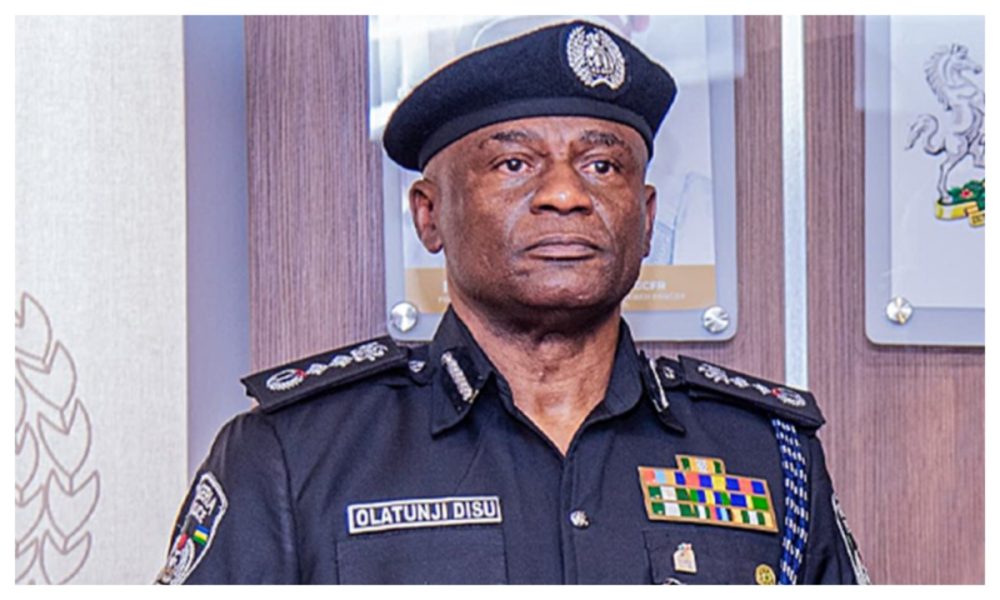
The Inspector-General of Police (IGP), Tunji Disu, on Friday declared that the era of impunity in the Nigeria Police was over, just as he promised to upgrade the traffic warden unit of the Force.
The IGP spoke in Benin during his official visit to the Edo State Command where he had an interactive session with officers of the state command.
Disu, who said until the interactive session, he never imagined some of the points raised by the officers of the Command, noted: “I am living here with what they have told me in confidence. And they have been able to open my thoughts.”
READ ALSO:IGP Invites Emir Sanusi For Questioning Over Violent Sallah Incident
“Now I have one or two things to do when I get back to Abuja. Things I never gave thought to. For example, an officer of the traffic warden stood up and said, for many years now, there have not been recruitments into the corps of traffic wardens. That got me thinking. The traffic warden unit should be upgraded. So when I get back home, we are going to talk about it.”
Speaking on an end to impunity, the IGP, who made reference to the recent incident where a police officer shot dead a civilian who did not struggle at the point of arrest, said: “That’s impunity. You arrested somebody who was not struggling with you, you brought him out in daylight and you shot him.”
He added: “The police rose up to the occasion immediately, tried them, dismissed them, and they are going to charge them in court. That is the meaning of impunity.
“Like I mentioned earlier, the era of impunity is over. We have to have the new Nigerian police force. I know I cannot do it alone, that is why I have come here to talk to them, so that all of us will be on the same page.”
READ ALSO:IGP Launches Safe School Initiative In Bauchi
He disclosed that “they gave me their word that they will have a new police. A new police that the community, the state, the Nigerian people own as our own police.”
Also speaking, the state Commissioner of Police, Monday Agbonika, urged the IGP to extend his support “to this command in the area of logistics, tactical support, and personal development.”
According to him, “the command intensified high visibility policing, aggressive bush combing, operations, confidence building patrols, and intelligence driven raids across identified criminal hideouts and flash points within the state,” hence the IGP support is needed.
News
SEC Cautions Against Investing In Illegal Outfits, Platforms
The Securities and Exchange Commission (SEC) has warned Nigerians against investing in illegal online investment schemes promoted across social media platforms.
According to the SEC, many of them exhibit characteristics of Ponzi and prohibited investment operations.
In a public notice issued yesterday, the commission was worried about “the increasing promotion of unregistered online investment schemes on social media applications and websites, including WhatsApp, Instagram, Telegram, Facebook, TikTok and other digital platforms”.
READ ALSO:Imo Court Sentences 34-year-old Man To Death By Hanging For Kidnapping, Armed Robbery
“Many of the investment schemes exhibit characteristics of Ponzi or prohibited investment schemes, while some operators of such schemes also provide unauthorised investment services to members of the public,” the commission said.
It advised Nigerians to refrain from investing in platforms promising unrealistic returns.
It stated: “Accordingly, the Commission hereby advises the public to refrain from investing or participating in any unregistered online investment platform or scheme promising unrealistic or guaranteed returns.”
READ ALSO:Court Orders SERAP To Pay DSS Operatives N100m For Defamation
SEC also cautioned members of the public against relying on investment advisories circulated online by unregistered persons or entities.
It reminded Nigerians that under the Investments and Securities Act, only entities registered by the SEC are authorised to promote investment services, provide investment advisory services or solicit funds from the public in the Nigerian capital market.

 Politics5 days ago
APC Clears Wike Loyalists, Disqualifies All Fubara-aligned Aspirants For State Assembly
- News4 days ago
OPINION: A Dream Of Nigeria
- Entertainment3 days ago
BREAKING: Nollywood Actor Alex Ekubo Is Dead
- Politics2 days ago
Fubara Clears Air On ‘Defection’ To NDC [VIDEO]
- Entertainment5 days ago
AMVCA 2026: Full List Of Winners
- News5 days ago
UNIBEN Student Killed, Two Injured
- Metro5 days ago
Imo Court Sentences 34-year-old Man To Death By Hanging For Kidnapping, Armed Robbery
- News4 days ago
[OPINION] Awolowo: Legacies And Prophecies
- Entertainment5 days ago
‘He’s A Complete Musician’ – Don Jazzy Names His Best Artiste
- News3 days ago
Ex-power Minister Jailed 75 Years Over Fraud


