
Business
World Bank Forecasts Another Global Recession
A resurgence of the COVID-19 pandemic and escalating geopolitical tensions could push the global economy into recession.
If this happens, it would mark the first time in more than 80 years that two global recessions occurred within the same decade.
The forecast is contained in the World Bank’s latest Global Economic Prospects report.
It said global growth is slowing amid higher inflation and interest rates, reduced investment and disruptions caused by Russia’s invasion of Ukraine.
The report predicts the global economy may grow by 1.7% in 2023 and 2.7% in 2024 while growth in developing economies could decelerate from 3.8% in 2022 to 2.7% in 2023.
The downturn is expected to be widespread, with the forecasts in 2023 revised down for 95% of advanced economies and nearly 70% of developing economies.
In Sub-Saharan Africa, which accounts for about 60% of the world’s poorest, growth in per capita income over 2023-24 is expected to average just 1.2%.
World Bank Group President, David Malpass said the crisis facing development is intensifying as the global growth outlook deteriorates.
READ ALSO: UK Economy Bounces Back From Recession With 15.5% Growth
The top economy analyst noted that emerging and developing countries would have to contend with a multi-year period of slow growth.
The decline is driven by heavy debt burdens and weak investment as global capital is absorbed by advanced economies faced with high government debt levels and rising interest rates.
“Weakness in growth and business investment will compound the already-devastating reversals in education, health, poverty, and infrastructure and the increasing demands from climate change”, Malpass added.



Business
NNPCL Announces Restoration Of Escravos-Lagos Pipeline
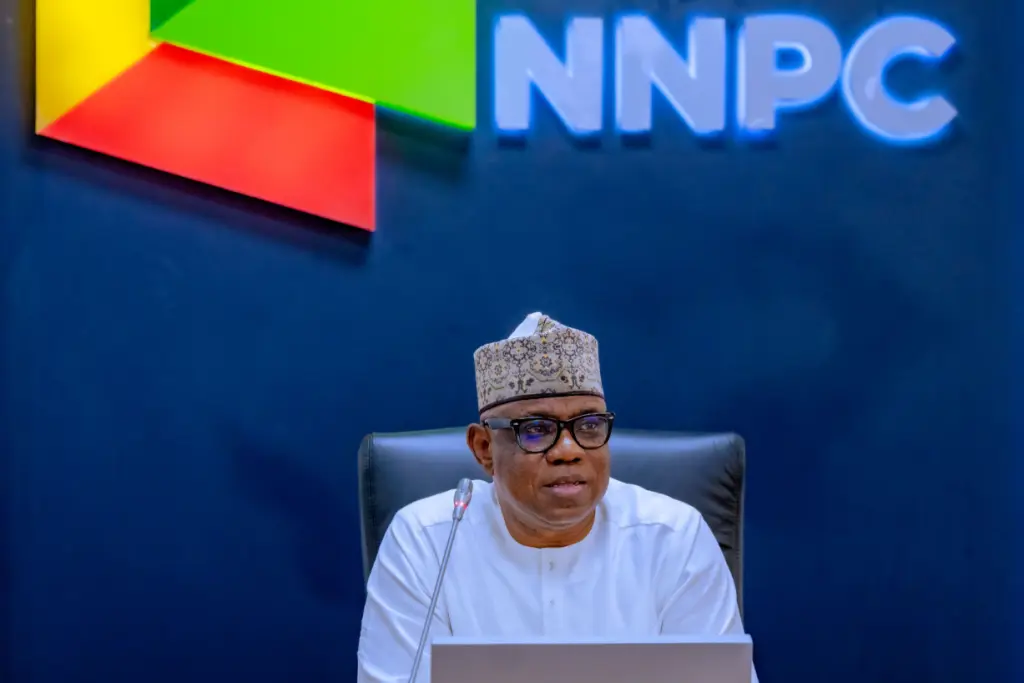
The Nigerian National Petroleum Company Limited (NNPCL) has announced the complete restoration of the Escravos-Lagos Pipeline System (ELPS) in Warri, Delta State, following the recent explosion on the asset.
The chief corporate communications officer (CCCO) of the nation’s oil company, Andy Odeh, in a statement, said that the pipeline is fully operational, reiterating the company’s resilience and commitment to energy security.
“NNPC Limited is pleased to announce the successful restoration of the Escravos-Lagos Pipeline System (ELPS) in Warri, Delta State.
READ ALSO:Fuel Price Cut: NNPCL GCEO Ojulari Reveals Biggest Beneficiaries
“Following the unexpected explosion on December 10, 2025, we immediately activated our emergency response, deployed coordinated containment measures, and worked tirelessly with multidisciplinary teams to ensure the damaged section was repaired, pressure-tested, and safely recommissioned.
“Today, the pipeline is fully operational, reaffirming our resilience and commitment to energy security. This achievement was made possible through the unwavering support of our host communities, the guidance of regulators, the vigilance of security agencies, and the dedication of our partners and staff.
“Together, we turned a challenging moment into a success story, restoring operations in record time while upholding the highest standards of safety and environmental stewardship.
“As we move forward, NNPC Limited remains steadfast in its pledge to protect our environment, safeguard our communities, and maintain the integrity and reliability of our assets. Thank you for your trust as we continue to power progress for Nigeria and beyond,” the statement read.
Business
Dangote Unveils 10-day Credit Facility For Petrol Station Owners
The Dangote Group has announced a 10-day credit facility backed by a bank guarantee for petrol station owners and dealers, alongside free direct delivery and other incentives, as part of a new supply arrangement.
The company disclosed this in a statement posted on its official X handle on Tuesday, inviting petrol station operators across the country to register to benefit from the offer.
According to the statement, participating dealers will enjoy “a 10-day credit facility backed by a bank guarantee,” with a minimum order requirement of 5,000 litres.
“Our free direct delivery service will commence soon,” the group said, adding that the offer is open to “all petrol station owners and dealers.”
READ ALSO:Dangote Sugar Announces South New CEO
The Dangote Group further called on operators to register their stations to access the supply arrangement.
“Register your petrol stations today to benefit from our competitive gantry price,” the statement read.
The company also disclosed that petrol supplied under the arrangement will be sold at a gantry price of ₦699 per litre.
For enquiries, the group provided the following contact numbers: 0802-347-0470, 0809-324-7070, 0809-324-7071 and 0203.
READ ALSO:Dangote Refinery Dispute: PENGASSAN Suspends Strike After FG Intervention
The announcement follows a recent petrol price adjustment by the Dangote Petroleum Refinery.
The PUNCH earlier reported that the refinery reduced its ex-depot petrol price from ₦828 to ₦699 per litre, representing a ₦129 cut or a 15.58 per cent reduction.
An official of the refinery, who spoke to PUNCH Online on condition of anonymity, confirmed the adjustment, saying, “The refinery has reduced petrol gantry price to ₦699 per litre.”
The new price reportedly took effect on December 11, 2025, marking the 20th petrol price adjustment announced by the refinery this year.
Business
JUST IN: Otedola Sells Shares In Geregu Power For N1trn
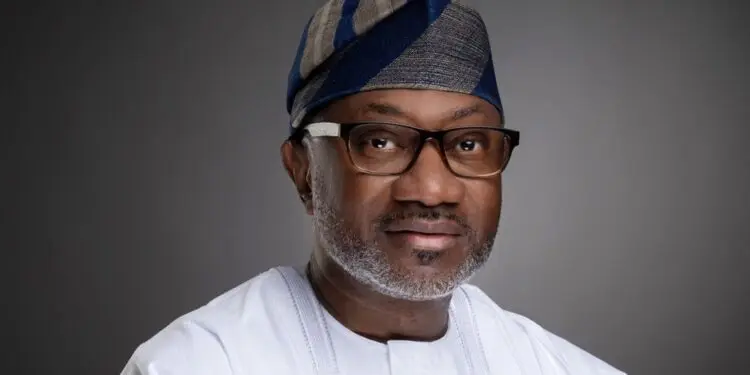
Billionaire businessman, Femi Otedola, has sold his majority stake in Geregu Power Plc for N1.088 trillion in a deal financed by a consortium of banks led by Zenith Bank Plc.
The Nigerian Exchange, NGX, made this announcement on Monday.
Otedola’s Amperion Power Distribution Company Ltd reportedly held nearly 80 percent of the power generating company.
READ ALSO:N200b Agric Credit Dispute: Appeal Court Slams NAIC, Upholds First Bank Victory
With this new development, Otedola, Chairman of First Holdco Ltd, parent company of First Bank of Nigeria Plc, will reportedly now concentrate on expanding his interest in the Nigerian banking sector, although he still retains some shares in Geregu.
Otedola is said to currently own 17.01 percent of First Bank — its single largest shareholder since the bank was established in 1894.

 News5 days ago
PHOTOS: SGF George Akume Weds Ooni’s Ex-Queen
- News3 days ago
Ex-Edo Gov Obaseki Reacts As His Cousin Is Beaten, Stripped
- News2 days ago
BREAKING: Anthony Joshua Involved In Road Accident
- Politics2 days ago
Wike Speaks On Defecting To APC
- Politics2 days ago
You’re Not 001 – Wike Rubbishes Claims Of Fubara Being APC Leader In Rivers
- Politics2 days ago
JUST IN: INEC Excludes PDP From Ekiti Governorship Election
- Metro3 days ago
Obaseki Beaten, Stripped In Edo
- Entertainment5 days ago
I’ve Stopped Impregnating Women Anyhow – 2Baba
- News2 days ago
NAF Neutralizes Bandits At Turba Hill, Kachalla Dogo Sule Camps
- Business4 days ago
Naira Records Massive Appreciation Against US Dollar Into Christmas Holidays


