
Business
Vibrant West Africa’s Fuel Black Market Collapses On Nigeria’s Subsidy Removal
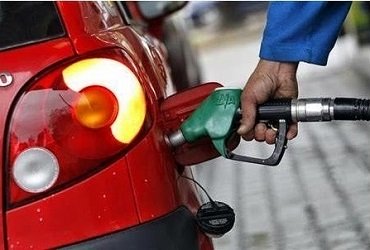
Nigeria’s decision to eliminate fuel subsidies has had a significant impact, resulting in the collapse of a thriving black market in Vibrant West Africa’s Fuel Black Market Collapses On Nigeria’s Subsidy Removal. This informal sector, which played a central role in the region’s economic activity, has been disrupted as the price of cheap contraband Premium Motor Spirit, better known as petrol, from Nigeria suddenly doubled.
In a report on Monday, American news platform, Reuters, noted that black market fuel vendors and commercial drivers in Cameroon, Benin and Togo, who heavily relied on smuggled petrol from Nigeria, have witnessed their businesses crumble since the subsidy removal. As fuel supplies dwindle, long queues have formed at official petrol stations, where prices are now competitive.
In Garoua, a town in North-West Cameroon near the Nigerian border, the cost of a litre of petrol on the black market used to be around 300 CFA francs (about $0.48) but it has skyrocketed to a minimum of 600 CFA francs, causing dissatisfaction among customers who perceive the high prices as unjustified.
READ ALSO: Titanic Actor Lew Palter Is Dead
The repercussions extend to commercial motorcycles, or okada, leading to conflicts between hand-to-mouth riders and customers demanding low fares, regardless of the circumstances.
Ousmanou Mal Djoulde, a rider in Garoua, has been forced to more than double his fares, resulting in many customers refusing to pay and business becoming painfully slow, Reuters reported.
The trade in black market fuel holds such significance in the local economy that authorities either turn a blind eye or are complicit. A Reuters reporter in Garoua observed a Cameroonian customs officer seated on a motorcycle being refuelled with smuggled Nigerian petrol.
Unfortunately, there is no reliable data on the volume of fuel smuggled from Nigeria. The head of Nigerian National Petroleum Corporation, Mele Kyari, acknowledged that 66 million litres of petrol leave their depots daily, but he could not provide an accurate estimate of local consumption. Smuggling is acknowledged to be rampant.
According to Reuters, Benin and Togo, neighbouring nations to the west of Nigeria, have also witnessed a decline in supplies and customers for contraband fuel vendors, while official petrol stations have experienced a sudden surge in activity. At the Hilacondji border crossing between Togo and Benin, some black market fuel stalls have closed, leaving vendors waiting with empty containers for potential deliveries.
In the absence of improvements, some individuals have sought alternative livelihoods such as fishing or engaging in other small businesses. The closure of informal fuel depots has left previously employed individuals without work, adding to the unemployment rate.
READ ALSO: Court Restrains Police From Arresting Pastor Over Alleged N29m Fraud In Enugu
According to the United Nations, over 80% of employment in Africa is in the informal sector, making it a crucial driver of economic activity. In Cotonou, the commercial capital of Benin, located about 60 km from Nigeria, long queues have formed at official petrol stations, and some have struggled to meet the sudden surge in demand, particularly from commercial motorcyclist, locally known as “zemidjan.”
A worker at the JNP fuel station in Cotonou, named Janvier, reported that their daily sales have increased from around 2,000 litres to up to 7,000 litres. However, the heightened demand has caused supply shortages, forcing them to turn away customers.

Business
Full List: 82 Newly Approved, Fully Licensed BDC Operators
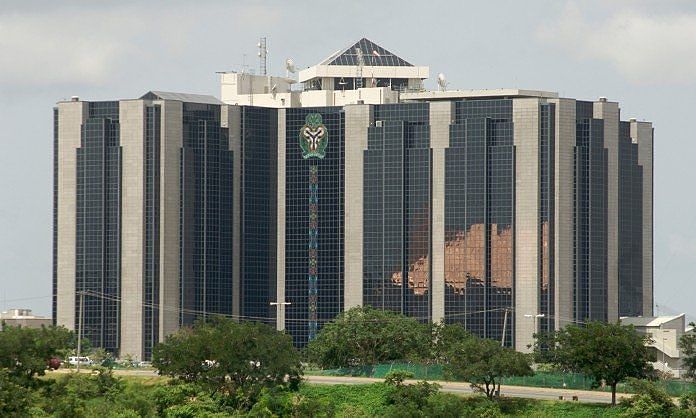
The Central Bank of Nigeria (CBN) has granted final operating licences to 82 Bureaux De Change (BDC) operators under its revised regulatory framework, reinforcing warnings against transactions with unlicensed foreign exchange dealers.
In a statement on Monday, the Acting Director of Corporate Communications, Hakama Sidi-Ali, confirmed that the licences took effect on November 27, 2025, in accordance with the 2024 Regulatory and Supervisory Guidelines for BDC Operations. The guidelines require all operators to meet specified capital thresholds and regulatory conditions to qualify for licensing.
“The Central Bank of Nigeria, in exercise of its powers under the Banks and Other Financial Institutions Act (BOFIA) 2020 and the 2024 Guidelines, has granted final licences to 82 Bureaux De Change to operate with effect from November 27, 2025,” the statement read.
The apex bank emphasised that only BDCs listed on its official website are considered fully licensed, urging the public to verify the status of any operator before engaging in foreign exchange transactions.
“While the CBN will continue to update the list of Bureaux De Change with valid operating licences for public verification on our website, the Bank advises the general public to avoid dealing with unlicensed Foreign Exchange Operators,” the statement warned.
READ ALSO:CBN Issues 82 New BDC Licences, Moves To Curb Unregistered FX Operators
The CBN noted that operating a BDC without a valid licence constitutes an offence under Section 57(1) of the BOFIA 2020, and confirmed that legal action would be taken against non-compliant operators.
TIER 1
1 DULA GLOBAL BDC LTD
2 TRURATE GLOBAL BDC LTD
TIER 2
1 ABBUFX BDC LTD
2 ACHA GLOBAL BDC LTD
3 ARCTANGENT SWIFT BDC LTD
4 ASCENDANT BDC LTD
5 BARACAI BDC LTD
6 BERGPOINT BDC LTD
7 BRAVO MODEL BDC LTD
8 BRIMESTONE BDC LTD
9 BROWNSTON BDC LTD
10 BUZZWALLET BDC LTD
11 CASHCODE BDC LTD
12 CHATTERED BDC LTD
13 CHRONICLES BDC LTD
14 COOL FOREX BDC LTD
15 CORPORATE EXCHANGE BDC LTD
16 COURTESY CURRENCY BDC LTD
17 DANYARO BDC LTD
18 DASHAD BDC LTD
READ ALSO:JUST IN: CBN Removes Cash Deposit Limits, Raises Weekly Withdrawal To N500,000
19 DEVAL BDC LTD
20 DFS BDC LTD
21 EASY CASH BDC LTD
22 ELELEM BDC LTD
23 E-LIOYDS BDC LTD
24 ELOGOZ BDC LTD
25 ENOUF BDC LTD
26 EVER JOJ GOLD BDC LTD
27 EXCEL RIJIYA FOREX BDC LTD
28 FABFOREX BDC LTD
29 FELLOM BDC LTD
30 FINE BDC LTD
31 FOMAT BDC LTD
32 GENELO BDC LTD
33 GENTLE BREEZE BDC LTD
34 GRACEFUL GLORY AND HUMILITY BDC LTD
35 GREENGATE BDC LTD
36 GREENVAULT BDC LTD
37 HAZON CAPITAL BDC LTD
38 HIGH-POINT BDC LTD
39 I & I EXCHANGE BDC LTD
40 IBN MARYAM BDC LTD
41 JOURNEY WELL BDC LTD
42 KEEPERS BDC LTD
43 KHADHOUSE SOLUTIONS BDC LTD
READ ALSO:CBN Directs Nigerian Banks To Withdraw Misleading Advertisement
44 KIMMELFX BDC LTD
45 KINGSOFT ATLANTIC BDC LTD
46 M.S. ALHERI BDC LTD
47 MASTERS BDC LTD
48 MCMENA BDC LTD
49 MKOO BDC LTD
50 MKS BDC LTD
51 MR J GOLF BDC LTD
52 MUSDIQ BDC LTD
53 MZ FOREX BDC LTD
54 NEJJ BDC LTD LTD
55 NETVALUE BDC LTD
56 NEW WAVE BDC LTD
57 NOTABLE AND KINGSTON BDC LTD
58 PILCROW BDC LTD
59 RAPID BDC LTD
60 RIGHTWAY BDC LTD
61 RWANDA BDC LTD
62 SABLES BDC LTD
63 SAFETRANZ BDC LTD
64 SAMFIK BDC LTD
65 SEVENLOCKS BDC LTD
66 SHAPEARL BDC LTD
67 SIMTEX BDC LTD
68 SOLID WHITE BDC LTD
69 ST. NICHOLAS GLOBAL BDC LTD
70 TOPFIRST UNIQUE MULTICHOICE BDC LTD
71 TOPGATE BDC LTD
72 TRAVELLER’S CHOICE BDC LTD
73 TUCA GLOBAL BDC LTD
74 TURBOVA BDC LTD
75 TURN-UP BDC LTD
76 UNIGO BDC LTD
77 VICTORY AHEAD BDC LTD
78 WHITEWAY WWW BDC LTD
79 YUND GLOBAL LINK BDC LTD
80 ZAMAD FOREX BDC LTD
Business
CBN Issues 82 New BDC Licences, Moves To Curb Unregistered FX Operators
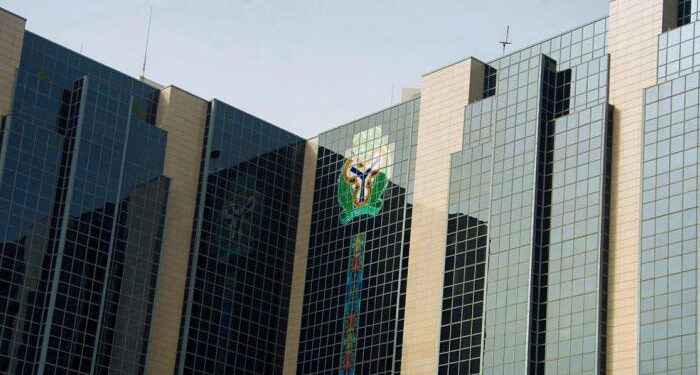
The Central Bank of Nigeria (CBN) has granted final operating licences to 82 Bureaux De Change (BDC) under its updated regulatory framework and cautioned members of the public against engaging with unlicensed foreign exchange operators.
In a statement issued on Monday and signed by the Acting Director of Corporate Communications, Hakama Sidi-Ali, the Bank said the licences became effective on 27 November 2025. The approvals were granted under the 2024 Regulatory and Supervisory Guidelines for BDC Operations in Nigeria.
“The Central Bank of Nigeria, in exercise of its powers under the Banks and Other Financial Institutions Act (BOFIA) 2020 and the 2024 Guidelines, has granted final licences to 82 Bureaux De Change to operate with effect from November 27, 2025,” the statement said.
The CBN stressed that only BDCs listed on its official website are recognised as licensed operators. It encouraged the public to verify the licensing status of BDCs before engaging in any foreign exchange transactions.
READ ALSO:Fourteen Nigerian Banks Yet To Meet CBN’s Recapitalisation Ahead Of Deadline
“While the CBN will continue to update the list of Bureaux De Change with valid operating licences for public verification on our website, the Bank advises the general public to avoid dealing with unlicensed Foreign Exchange Operators,” the statement added.
The Bank reiterated that running a BDC without proper authorisation constitutes an offence under Section 57(1) of the BOFIA 2020. It stated that enforcement actions would be taken against violators.
READ ALSO:CBN Issues Directive Clarifying Holding Companies’ Minimum Capital
The licensing exercise forms part of the CBN’s broader initiative to reform the foreign exchange market and ensure that only compliant operators participate in the sector. Under the 2024 guidelines, which took effect in June 2024,
all BDCs are required to reapply for Tier 1 or Tier 2 licences.
The guidelines stipulate minimum capital requirements of ₦2 billion for Tier 1 and ₦500 million for Tier 2, along with non-refundable licensing fees of ₦5 million and ₦2 million, respectively.
The CBN said it would continue its efforts to maintain order and transparency in the foreign exchange market.
Business
JUST IN: CBN Removes Cash Deposit Limits, Raises Weekly Withdrawal To N500,000
The Central Bank of Nigeria (CBN) has removed cash deposit limits and also increased the weekly cash withdrawal limit from N100,000 to N500,000.
The CBN made this known in a circular to all banks and other financial institutions, signed by Dr Rita Sike, Director, Financial Policy and Regulation Department.
Sike said that the revisions formed part of ongoing efforts to moderate the rising cost of cash management and address security concerns.
According to her, it will also curb money laundering risks associated with heavy reliance on cash.
She said that the cash-related policies previously issued in response to evolving circumstances were aimed at reducing cash usage and promoting the adoption of electronic payment channels.
READ ALSO:CBN Directs Nigerian Banks To Withdraw Misleading Advertisement
“However, with time, the need to streamline and update these provisions to reflect present-day realities became necessary,” she said.
She said that with effect from Jan. 1, 2026, the cumulative deposit limit would be removed and the fee previously charged on excess deposits would no longer apply.
The director said that the cumulative weekly withdrawal limit across all channels has been reviewed to N500,000 for individuals and five million Naira for corporates.
READ ALSO:CBN Issues Directive Clarifying Holding Companies’ Minimum Capital
“Withdrawals above these thresholds will attract excess withdrawal charges as specified,” she said. “The special monthly authorisation that allowed individuals to withdraw five million Naira and corporates N10 million once a month has been abolished.”
She said that for Automated Teller Machines (ATMs), daily withdrawal remains capped at N100,000 per customer, with a maximum of N500,000 weekly.
She said that this formed part of the overall weekly withdrawal limit applicable to all channels, including point-of-sale (POS) transactions.
Sike said that excess withdrawals above the stipulated limits would attract three per cent for individuals and five per cent for corporate customers.
READ ALSO:Court Convicts Two National Assembly Staff Over CBN, FIRS Job Scam
According to her, this will be shared in the ratio of 40 per cent to the CBN and 60 per cent to the operating bank or financial institution.
She directed banks to load all currency denominations in ATMs, while the existing limit on over-the-counter encashment of third-party cheques remains pegged at N100,000.
Sike said that such withdrawals would be counted as part of the cumulative weekly limit.
The director said that banks were also required to render monthly returns to the relevant supervisory departments.
READ ALSO:CBN Sets POS Maximum Transactions In Fresh Guidelines
She listed the departments to include the Banking Supervision Department, Other Financial Institutions Supervision Department, and the Payments System Supervision Department.
Sike said that revenue-generating accounts of federal, state, and local governments were exempted from the new withdrawal rules.
She said that accounts of microfinance banks and primary mortgage banks held with commercial and non-interest banks are also exempted from the new rules.
She, however, said that the long-standing exemption previously enjoyed by embassies, diplomatic missions, and aid-donor agencies had been removed.

 Metro5 days ago
Edo: How Pastor Hypnotised My Daughter, Made Her Abandoned NNPCL- Mother
- News5 days ago
Oba Of Benin Suspends Priest, Reaffirms Appointment Of Okao
- Metro4 days ago
My Husband Felt Insecure After I Got A Job, Accused Me Of Infidelity —Wife
- Headline3 days ago
JUST IN: Soldiers Announce Military Takeover Of Govt In Benin Republic
- News3 days ago
Rufai Oseni Breaks Silence On Alleged Suspension From Arise TV
- Sports5 days ago
JUST IN: Full Draw For 2026 World Cup Group Stages Confirmed
- News5 days ago
Okpebholo Declares Edo Business-friendly
- News4 days ago
Malami Breaks Silence On Alleged Terrorism Financing
- News4 days ago
FULL TEXT: Gen Musa’s Inaugural Speech As Defence Minister
- News3 days ago
OAU Unveils Seven-foot Bronze Statue Of Chief Obafemi Awolowo


